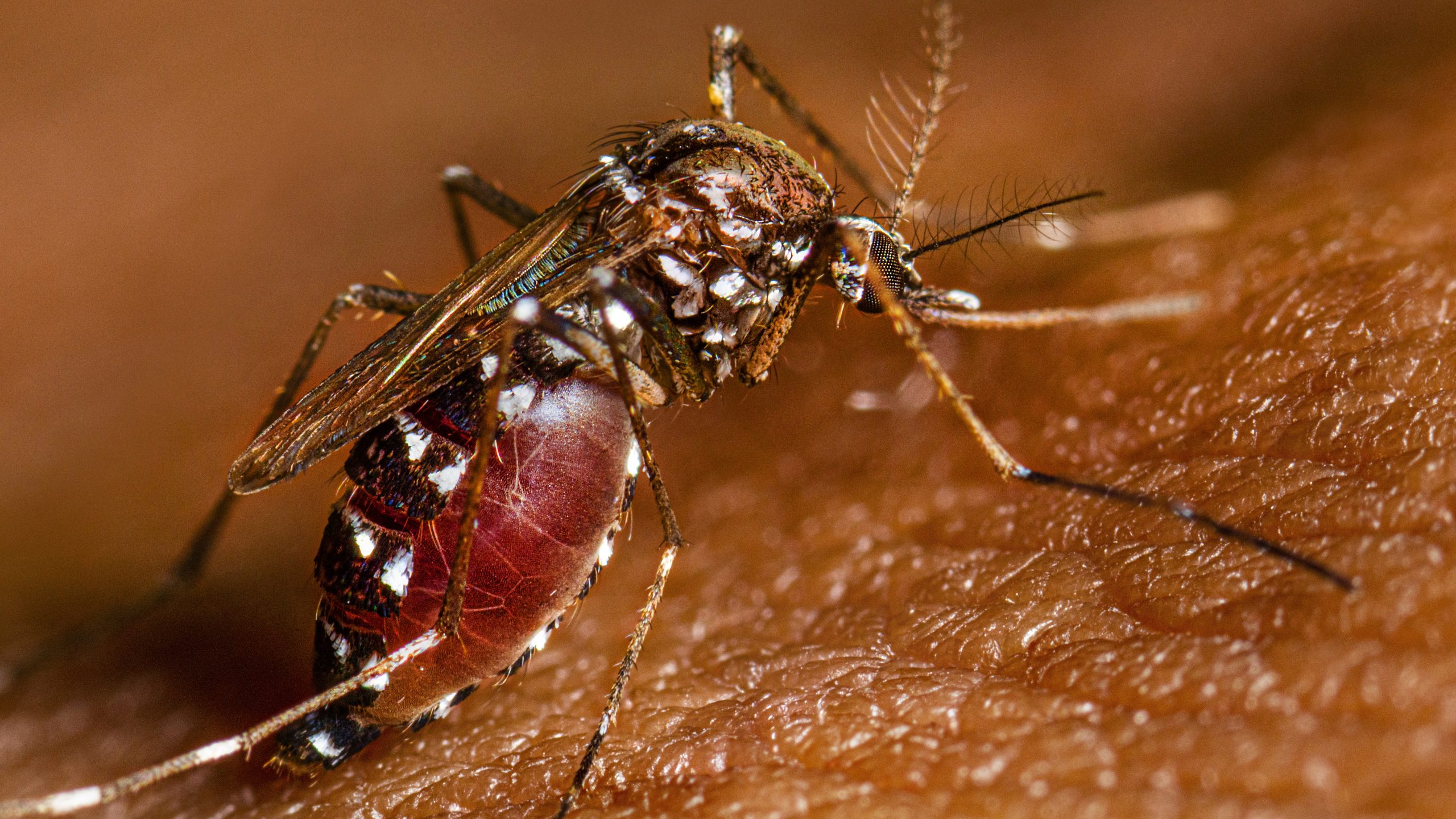
Yellow fever, a viral hemorrhagic fever, has plagued humanity for centuries. Despite significant advancements in vaccination and vector control, it remains a significant public health concern, particularly in tropical regions of Africa and South America. This article delves into the history, epidemiology, pathogenesis, clinical manifestations, diagnosis, treatment, prevention, and ongoing challenges associated with yellow fever.
Historical Context
Yellow fever’s origins are believed to lie in Africa, with its introduction to the Americas occurring during the transatlantic slave trade. The disease ravaged populations in the New World, causing devastating epidemics that shaped the course of history.
Yellow Fever: Causes, Symptoms, And Treatment Netmeds
Early Epidemics: The first documented outbreaks in the Americas occurred in the 17th century. Cities like Barbados, Havana, and Philadelphia experienced repeated epidemics, leading to high mortality rates.
The Role of Mosquitoes: In the late 19th century, Carlos Finlay and Walter Reed, among others, demonstrated that yellow fever was transmitted by mosquitoes, specifically Aedes aegypti. This discovery was pivotal in understanding the disease’s epidemiology and developing control strategies.
Vaccine Development: Max Theiler developed the 17D vaccine in the 1930s, a live-attenuated vaccine that remains the cornerstone of yellow fever prevention. This achievement earned him the Nobel Prize in Physiology or Medicine in 1951.
Eradication Attempts: Large-scale mosquito eradication campaigns, particularly in the Americas, significantly reduced yellow fever incidence in the mid-20th century. However, the disease persisted in sylvatic (jungle) cycles, involving non-human primates and mosquitoes, posing a constant threat of re-emergence.
Epidemiology
Yellow fever is transmitted through the bite of infected Aedes mosquitoes. It exists in three epidemiological cycles:
Sylvatic (Jungle) Yellow Fever: This cycle involves non-human primates as the primary reservoir and forest-dwelling mosquitoes as vectors. Humans can become infected when working or traveling in forested areas.
Intermediate (Savannah) Yellow Fever: This cycle occurs in savannah areas of Africa, where semi-domestic mosquitoes infect both humans and non-human primates.
Urban Yellow Fever: This cycle occurs when infected individuals introduce the virus into densely populated areas with high Aedes aegypti mosquito populations, leading to rapid transmission among humans.
Yellow Fever: Causes and How It Spreads Yellow Fever Virus CDC
Pathogenesis
The yellow fever virus, a flavivirus, enters the body through the mosquito bite and replicates in various tissues, including the lymph nodes, liver, and spleen.
Viral Replication: The virus targets hepatocytes (liver cells), leading to cell damage and necrosis.
Cytokine Storm: The immune response to the virus involves the release of cytokines, which can contribute to systemic inflammation and organ dysfunction.
Hemorrhagic Manifestations: In severe cases, the virus can cause damage to blood vessels, leading to bleeding manifestations, including gastrointestinal bleeding and hemorrhage.
Organ Failure: Severe yellow fever can result in liver failure, kidney failure, and multi-organ dysfunction syndrome.
Clinical Manifestations
Yellow fever virus: Video, Causes, & Meaning Osmosis
Yellow fever presents with a range of clinical manifestations, from mild, flu-like symptoms to severe, life-threatening illness.
Initial Phase: The initial phase is characterized by fever, chills, headache, muscle aches, and nausea.
Remission Phase: After a brief period of remission, some individuals progress to the toxic phase.
Toxic Phase: The toxic phase is marked by jaundice (yellowing of the skin and eyes), abdominal pain, vomiting, and bleeding manifestations.
Severe Complications: Severe complications include liver failure, kidney failure, shock, and death.
Diagnosis
Diagnosis of yellow fever can be challenging, particularly in the early stages, as the symptoms can mimic other febrile illnesses.
Clinical Presentation: A thorough clinical evaluation, including a detailed travel history and assessment of symptoms, is crucial.
Laboratory Tests:
Viral Detection: Reverse transcription-polymerase chain reaction (RT-PCR) can detect the virus in blood during the acute phase of illness.
Serology: Enzyme-linked immunosorbent assay (ELISA) and plaque reduction neutralization test (PRNT) can detect antibodies to the yellow fever virus. PRNT is considered the gold standard for serological confirmation.
Liver Function Tests: Elevated liver enzymes and bilirubin levels are indicative of liver damage.
Complete Blood Count: Thrombocytopenia (low platelet count) is a common finding.
Histopathology: In fatal cases, liver biopsy can reveal characteristic pathological changes.
Treatment
There is no specific antiviral treatment for yellow fever. Management focuses on supportive care to alleviate symptoms and prevent complications.
Supportive Care:
Fluid and electrolyte management to maintain hydration and correct electrolyte imbalances.
Pain management with analgesics.
Treatment of fever with antipyretics.
Management of bleeding manifestations with blood transfusions and clotting factors.
Supportive care for organ failure, including mechanical ventilation and dialysis.
Intensive Care: Severe cases require intensive care unit (ICU) admission for close monitoring and management of complications.
Prevention
Prevention of yellow fever relies on vaccination and mosquito control.
Vaccination: The 17D vaccine is highly effective and provides lifelong immunity in most individuals.
Vaccination is recommended for travelers to yellow fever-endemic areas.
Many countries require proof of yellow fever vaccination for entry, particularly for travelers arriving from endemic regions.
Vaccination is also recommended for individuals living in or traveling to areas with ongoing outbreaks.
Mosquito Control:
Elimination of mosquito breeding sites by removing standing water.
Use of mosquito repellents containing DEET.
Use of insecticide-treated bed nets.
Indoor residual spraying with insecticides.
Public Health Measures:
Surveillance and early detection of outbreaks.
Rapid implementation of vaccination campaigns during outbreaks.
Public education and awareness campaigns to promote preventive measures.
Ongoing Challenges
Despite significant progress in yellow fever prevention and control, several challenges remain.
Vaccine Availability: Vaccine shortages can occur during outbreaks, particularly in resource-limited settings.
Vaccine Safety: Although the 17D vaccine is generally safe, rare adverse events, such as vaccine-associated viscerotropic disease and vaccine-associated neurologic disease, can occur.
Sylvatic Transmission: The persistence of yellow fever in sylvatic cycles poses a constant threat of re-emergence.
Urbanization and Climate Change: Rapid urbanization and climate change can increase the risk of urban outbreaks by expanding Aedes aegypti mosquito populations.
Travel and Globalisation: Increased global travel can facilitate the spread of yellow fever to new areas.
Surveillance and Response: Strengthening surveillance systems and improving outbreak response capabilities are crucial for effective control.
Research: Continued research is needed to develop new vaccines, antiviral treatments, and mosquito control strategies.
Conclusion
Yellow fever remains a serious public health threat, particularly in tropical regions of Africa and South America. Vaccination and mosquito control are essential for prevention. Ongoing efforts to strengthen surveillance, improve outbreak response, and conduct research are crucial for achieving long-term control and eventual elimination of this devastating disease.