
Ginseng: The Root of Vitality – A Comprehensive Exploration of its Benefits
Ginseng, a staple in traditional Asian medicine for centuries, has garnered increasing attention in the Western world for its purported health-enhancing properties. This article delves into the diverse benefits of ginseng, exploring its various forms, active compounds, and scientific evidence supporting its use.
Ginseng refers to various species of slow-growing perennial plants with fleshy roots. Two primary types, Asian ginseng (Panax ginseng) and American ginseng (Panax quinquefolius), are most commonly used. The name “Panax” originates from the Greek word “panacea,” meaning “all-healing,” reflecting its wide range of traditional applications.
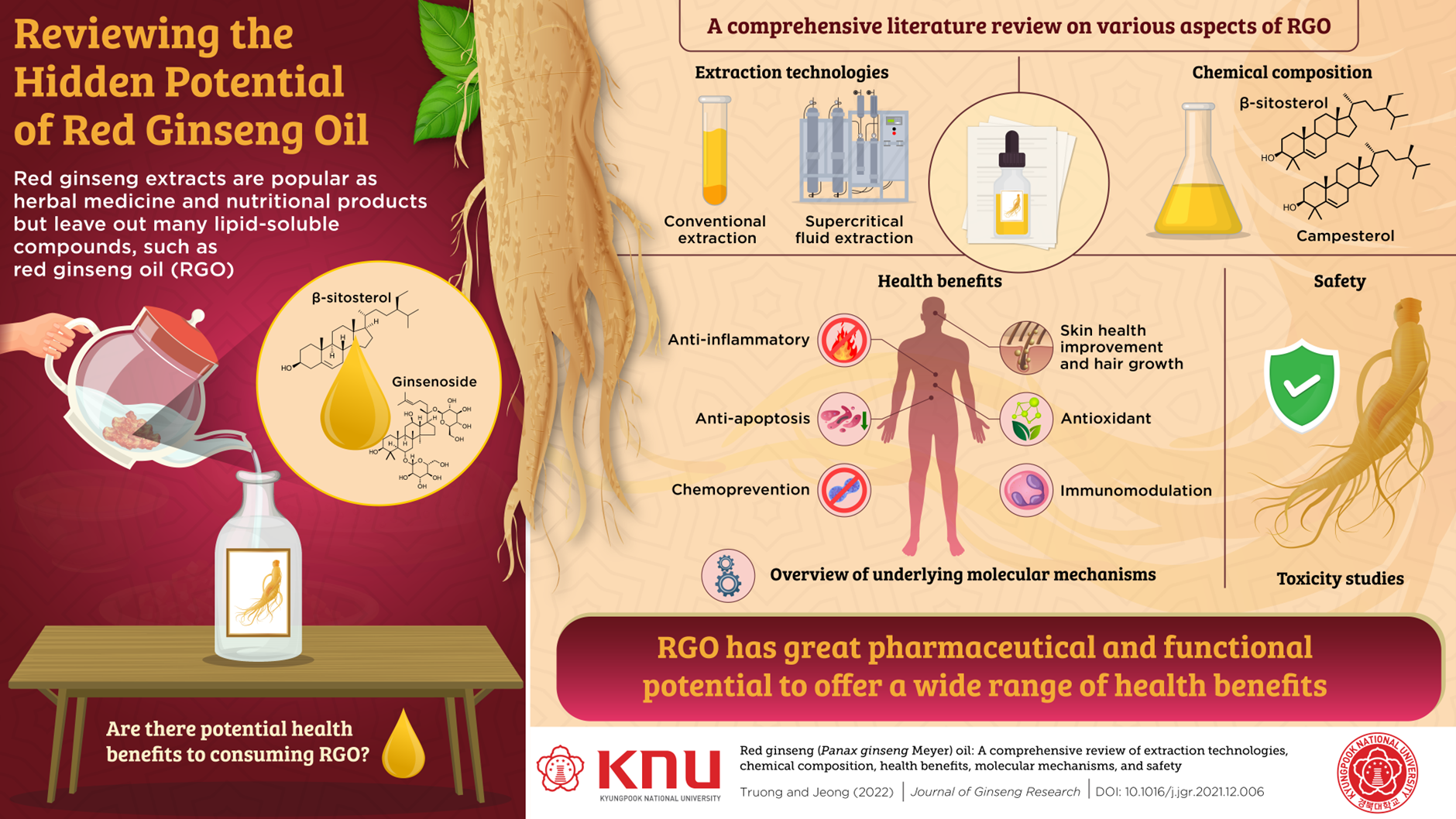
The therapeutic effects of ginseng are primarily attributed to its unique compounds called ginsenosides. These triterpenoid saponins exhibit diverse pharmacological activities, influencing various physiological processes. Different ginseng species contain distinct ginsenoside profiles, contributing to their varying effects.
Asian Ginseng (Panax ginseng): The Energizer
Asian ginseng, also known as Korean or Chinese ginseng, is considered a “warming” herb in traditional Chinese medicine. It is renowned for its stimulating effects, promoting energy, vitality, and cognitive function.
Enhanced Cognitive Function: Studies suggest that Asian ginseng can improve memory, attention, and mental performance. Ginsenosides may enhance neurotransmitter activity and protect brain cells from oxidative stress.
American Ginseng (Panax quinquefolius): The Calming Influence
American ginseng is considered a “cooling” herb and is often used for its calming and adaptogenic properties.
Blood Sugar Control: American ginseng is particularly known for its potential to lower blood sugar levels, making it a valuable adjunct therapy for individuals with type 2 diabetes.
Siberian Ginseng (Eleutherococcus senticosus): A Different Approach
While not a true ginseng (it belongs to a different genus), Siberian ginseng shares some similar adaptogenic properties. It is often used to enhance physical and mental performance, particularly in athletes and individuals under stress.
Enhanced Endurance: Siberian ginseng may improve physical endurance and reduce fatigue.
Cognitive Enhancement
Several studies have investigated the effects of ginseng on cognitive function. Meta-analyses have shown that Asian ginseng can improve various aspects of cognitive performance, including memory, attention, and processing speed. Ginsenosides may exert these effects by modulating neurotransmitter systems, such as cholinergic and glutamatergic pathways, and by protecting brain cells from oxidative stress.
Physical Performance and Fatigue Reduction
Ginseng has been used for centuries to enhance physical performance and reduce fatigue. Studies have shown that it can improve exercise capacity, reduce muscle damage, and enhance recovery after exercise. These effects may be attributed to its ability to improve oxygen utilization, reduce oxidative stress, and modulate inflammatory responses.
Immune System Support
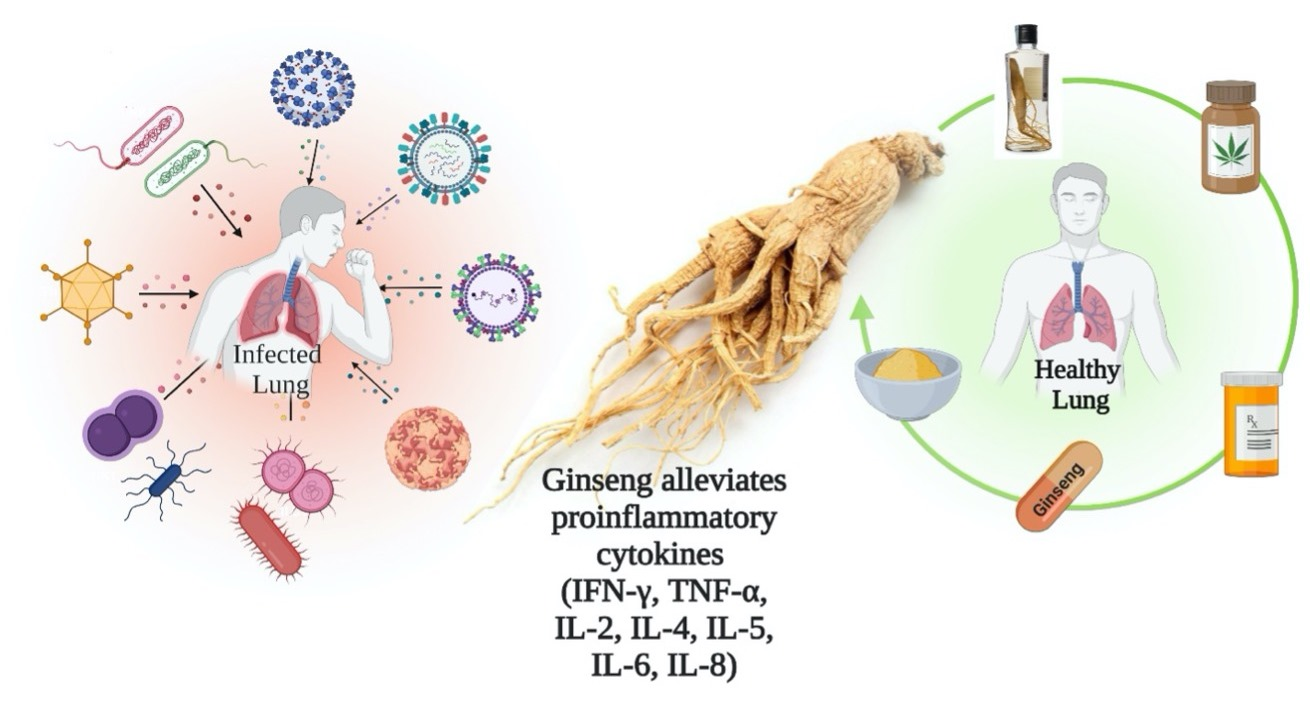
Ginseng has immunomodulatory effects, meaning it can enhance or suppress immune function depending on the context. It can stimulate the production of immune cells, enhance their activity, and improve the body’s resistance to infections. Ginsenosides may exert these effects by interacting with various immune receptors and signaling pathways.
Blood Sugar Regulation
Both Asian and American ginseng have shown promise in regulating blood sugar levels. American ginseng, in particular, has been shown to improve insulin sensitivity and glucose uptake in individuals with type 2 diabetes. Ginsenosides may exert these effects by modulating glucose metabolism and insulin signaling pathways.
Stress Management and Mood Regulation
Ginseng is considered an adaptogen, meaning it helps the body adapt to stress. It can reduce the physiological effects of stress, such as elevated cortisol levels, and promote a sense of well-being. Some studies have suggested that ginseng may also have antidepressant and anxiolytic effects.
Cardiovascular Health
Some research indicates that ginseng may have beneficial effects on cardiovascular health. It may help lower blood pressure, improve blood lipid profiles, and protect against cardiovascular disease. Ginsenosides may exert these effects by modulating various cardiovascular risk factors, such as oxidative stress, inflammation, and platelet aggregation.
Potential Benefits for Cancer
Ginseng has been studied for its potential anticancer properties. Some studies have suggested that it may inhibit the growth and spread of cancer cells, enhance the effectiveness of chemotherapy, and reduce the side effects of cancer treatment. However, more research is needed to confirm these findings.
Men’s Health
Ginseng has been traditionally used to improve sexual function in men. Some studies have shown that it may improve erectile dysfunction and enhance sperm quality. Ginsenosides may exert these effects by increasing nitric oxide production and improving blood flow to the penis.
Women’s Health
Ginseng has also been used to address various women’s health concerns, such as menopausal symptoms and menstrual irregularities. Some studies have suggested that it may help alleviate hot flashes, improve mood, and regulate menstrual cycles.
Ginseng is available in various forms, including capsules, tablets, powders, and extracts. The optimal dosage and administration method may vary depending on the individual, the specific type of ginseng, and the intended use. It is important to consult with a healthcare professional before taking ginseng, especially if you have any underlying health conditions or are taking medications.
Ginseng is generally considered safe for most individuals when taken in moderation. However, some people may experience side effects, such as insomnia, anxiety, headaches, and digestive upset. It can also interact with certain medications, such as blood thinners and antidepressants.
Insomnia: Due to its stimulating effects, ginseng can cause insomnia, especially when taken in high doses or late in the day.
Ginseng is a versatile herb with a long history of use in traditional medicine. Modern scientific research has provided evidence supporting its diverse health benefits, including cognitive enhancement, physical performance improvement, immune support, blood sugar regulation, and stress management. While ginseng is generally considered safe, it is important to consult with a healthcare professional before taking it, especially if you have any underlying health conditions or are taking medications. Further research is needed to fully understand the mechanisms of action and the long-term effects of ginseng.


