
Unveiling the Power of Ashwagandha: A Comprehensive Guide to its Multifaceted Benefits
Ashwagandha, scientifically known as Withania somnifera, is an ancient medicinal herb central to traditional Ayurvedic medicine. Revered for its adaptogenic properties, ashwagandha has been used for centuries to promote physical and mental well-being. In recent years, modern science has begun to validate the traditional uses of this powerful herb, revealing a wide array of potential health benefits. This comprehensive guide delves into the diverse advantages of ashwagandha, exploring its impact on stress, cognition, physical performance, and overall health.
Adaptogens are natural substances that help the body adapt to stress, whether physical, chemical, or biological. Ashwagandha’s adaptogenic properties stem from its rich composition of bioactive compounds, including withanolides, alkaloids, and saponins. These compounds work synergistically to modulate various physiological processes, helping the body maintain homeostasis in the face of stressors.

Reducing Cortisol Levels
Chronic stress can lead to elevated levels of cortisol, the body’s primary stress hormone. High cortisol levels can contribute to a range of health problems, including anxiety, insomnia, weight gain, and impaired immune function. Ashwagandha has been shown to effectively lower cortisol levels, promoting a sense of calm and relaxation. Studies have demonstrated significant reductions in cortisol levels in individuals taking ashwagandha supplements, leading to improved stress management and overall well-being.
Alleviating Anxiety and Depression
Ashwagandha’s stress-reducing effects extend to alleviating symptoms of anxiety and depression. By modulating the hypothalamic-pituitary-adrenal (HPA) axis, the body’s central stress response system, ashwagandha helps regulate mood and emotional balance. Clinical trials have indicated that ashwagandha supplementation can significantly reduce anxiety and depression scores, offering a natural alternative for managing these conditions.
Improving Memory and Cognitive Function
Ashwagandha has demonstrated potential in enhancing cognitive function, including memory, attention, and information processing speed. Its antioxidant and neuroprotective properties contribute to brain health, protecting against oxidative stress and neuronal damage. Studies have shown that ashwagandha supplementation can improve memory recall, attention span, and overall cognitive performance.
Protecting Against Neurodegenerative Diseases
The neuroprotective effects of ashwagandha may offer benefits in preventing and managing neurodegenerative diseases like Alzheimer’s and Parkinson’s. Research suggests that ashwagandha can stimulate the growth of axons and dendrites, the extensions of nerve cells that transmit signals, potentially aiding in neuronal repair and regeneration. Additionally, its antioxidant properties may help protect against the oxidative stress implicated in neurodegenerative conditions.
Enhancing Muscle Strength and Recovery
Ashwagandha has gained popularity among athletes for its potential to improve muscle strength and recovery. Studies have shown that ashwagandha supplementation can increase muscle mass and strength, particularly in individuals engaged in resistance training. It may also reduce muscle damage and soreness after exercise, facilitating faster recovery.
Improving Cardiovascular Health

Ashwagandha may also contribute to cardiovascular health by improving lipid profiles and reducing blood pressure. Research has indicated that ashwagandha can lower triglycerides and LDL cholesterol levels while increasing HDL cholesterol levels. These effects can help reduce the risk of cardiovascular disease. Additionally, ashwagandha’s stress-reducing properties may help lower blood pressure, further supporting heart health.
Boosting Immune Function
Ashwagandha has immunomodulatory properties, meaning it can help regulate the immune system’s response. It can enhance the activity of immune cells, such as natural killer cells, which play a crucial role in fighting infections and cancer. By supporting immune function, ashwagandha may help the body defend against pathogens and maintain overall health.
Reducing Inflammation
Chronic inflammation is implicated in a wide range of health problems, including arthritis, heart disease, and cancer. Ashwagandha possesses anti-inflammatory properties, which can help reduce inflammation throughout the body. It can inhibit the production of inflammatory cytokines, signaling molecules that contribute to chronic inflammation.
Improving Thyroid Function
Ashwagandha may benefit individuals with hypothyroidism, a condition characterized by an underactive thyroid gland. Studies have shown that ashwagandha can improve thyroid hormone levels, potentially alleviating symptoms of hypothyroidism, such as fatigue, weight gain, and depression.
Enhancing Male Fertility
Ashwagandha has been traditionally used to improve male fertility. Research has shown that it can increase sperm count, sperm motility, and testosterone levels in men with infertility. Its stress-reducing effects may also contribute to improved reproductive function.
Supporting Female Reproductive Health
Ashwagandha may also support female reproductive health by regulating hormonal balance and reducing stress. It may help alleviate symptoms of premenstrual syndrome (PMS) and improve fertility in women.
Lowering Blood Sugar Levels
Ashwagandha has demonstrated potential in lowering blood sugar levels, making it a potentially beneficial supplement for individuals with diabetes or prediabetes. Studies have shown that ashwagandha can improve insulin sensitivity and glucose metabolism, contributing to better blood sugar control.
Promoting Restful Sleep
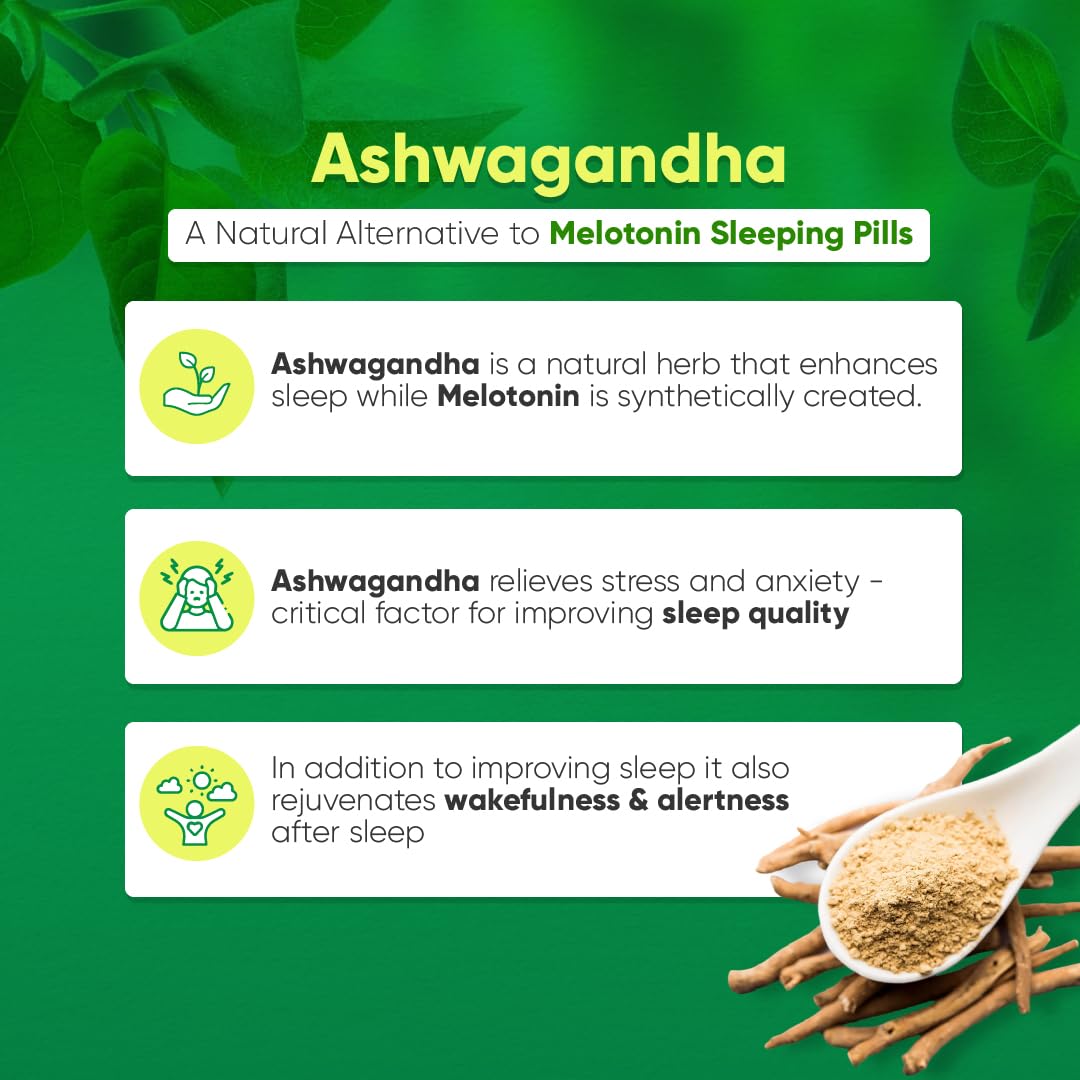
Ashwagandha’s stress-reducing and calming effects can contribute to improved sleep quality. By lowering cortisol levels and promoting relaxation, ashwagandha may help individuals fall asleep faster and experience more restful sleep.
Combating Oxidative Stress
Ashwagandha is a potent antioxidant, meaning it can help neutralize harmful free radicals that contribute to oxidative stress. Oxidative stress is implicated in aging and various chronic diseases. By combating oxidative stress, ashwagandha may help protect against cellular damage and promote overall health.
Ashwagandha is generally considered safe for most individuals when taken in recommended dosages. However, it’s essential to consult with a healthcare professional before taking ashwagandha, especially if you have any underlying health conditions or are taking medications.
Potential Side Effects
While generally well-tolerated, ashwagandha may cause mild side effects in some individuals, such as diarrhea, upset stomach, and drowsiness. Starting with a low dose and gradually increasing it can help minimize these side effects.
Contraindications
Ashwagandha is contraindicated for pregnant and breastfeeding women. Individuals with hyperthyroidism should also avoid ashwagandha, as it may further increase thyroid hormone levels.
Dosage Recommendations
The optimal dosage of ashwagandha can vary depending on individual needs and health conditions. It’s generally recommended to start with a low dose, such as 300-500 mg of ashwagandha extract per day, and gradually increase it as needed. Always consult with a healthcare professional for personalized dosage recommendations.
Ashwagandha is a versatile herb with a wide range of potential health benefits. From stress reduction and cognitive enhancement to improved physical performance and immune support, ashwagandha offers a holistic approach to well-being. While further research is needed to fully elucidate its mechanisms of action and long-term effects, ashwagandha holds promise as a natural remedy for promoting overall health and vitality. By incorporating ashwagandha into a healthy lifestyle, individuals may experience significant improvements in their physical and mental well-being. Always remember to consult with a healthcare professional before starting any new supplement regimen.


