
Understanding Blood Pressure: A Comprehensive Guide
Blood pressure, a seemingly simple metric, plays a pivotal role in overall health. It’s the force exerted by circulating blood against the walls of your arteries, the major blood vessels in your body. Understanding its nuances is crucial for maintaining cardiovascular well-being. This article delves into the intricacies of blood pressure, exploring its measurement, interpretation, influencing factors, and management strategies.
What is Blood Pressure and How is it Measured?
Blood pressure is expressed as two numbers: systolic and diastolic.
Systolic pressure: The top number, representing the pressure when your heart contracts and pushes blood out.
A standard blood pressure reading is written as systolic over diastolic, for example, 120/80 mmHg (millimeters of mercury).
Blood pressure is typically measured using a sphygmomanometer, a device consisting of an inflatable cuff, a pressure gauge, and a stethoscope or an automated electronic sensor. The cuff is placed around the upper arm and inflated to temporarily stop blood flow. As the cuff deflates, the healthcare provider listens for or the machine detects the Korotkoff sounds, which correspond to the systolic and diastolic pressures.
Blood Pressure Categories: What Do the Numbers Mean?
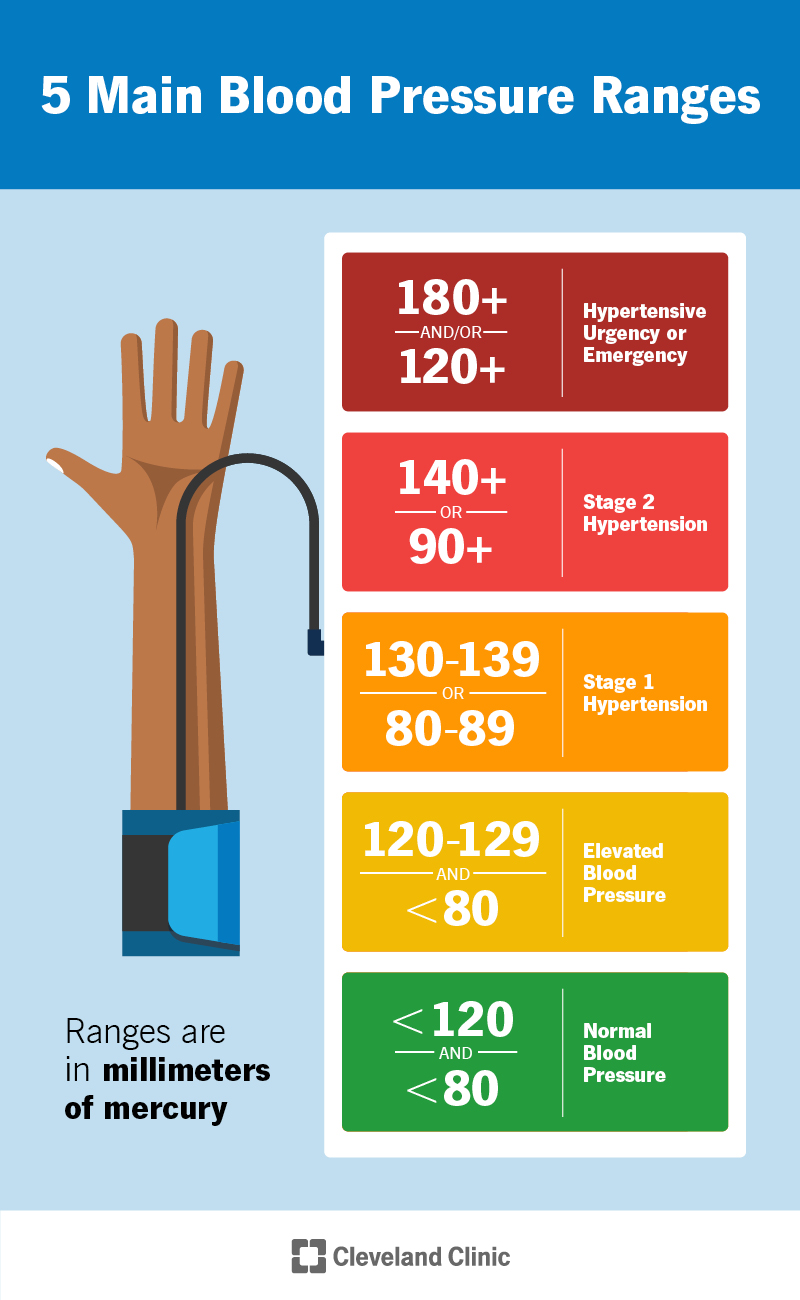
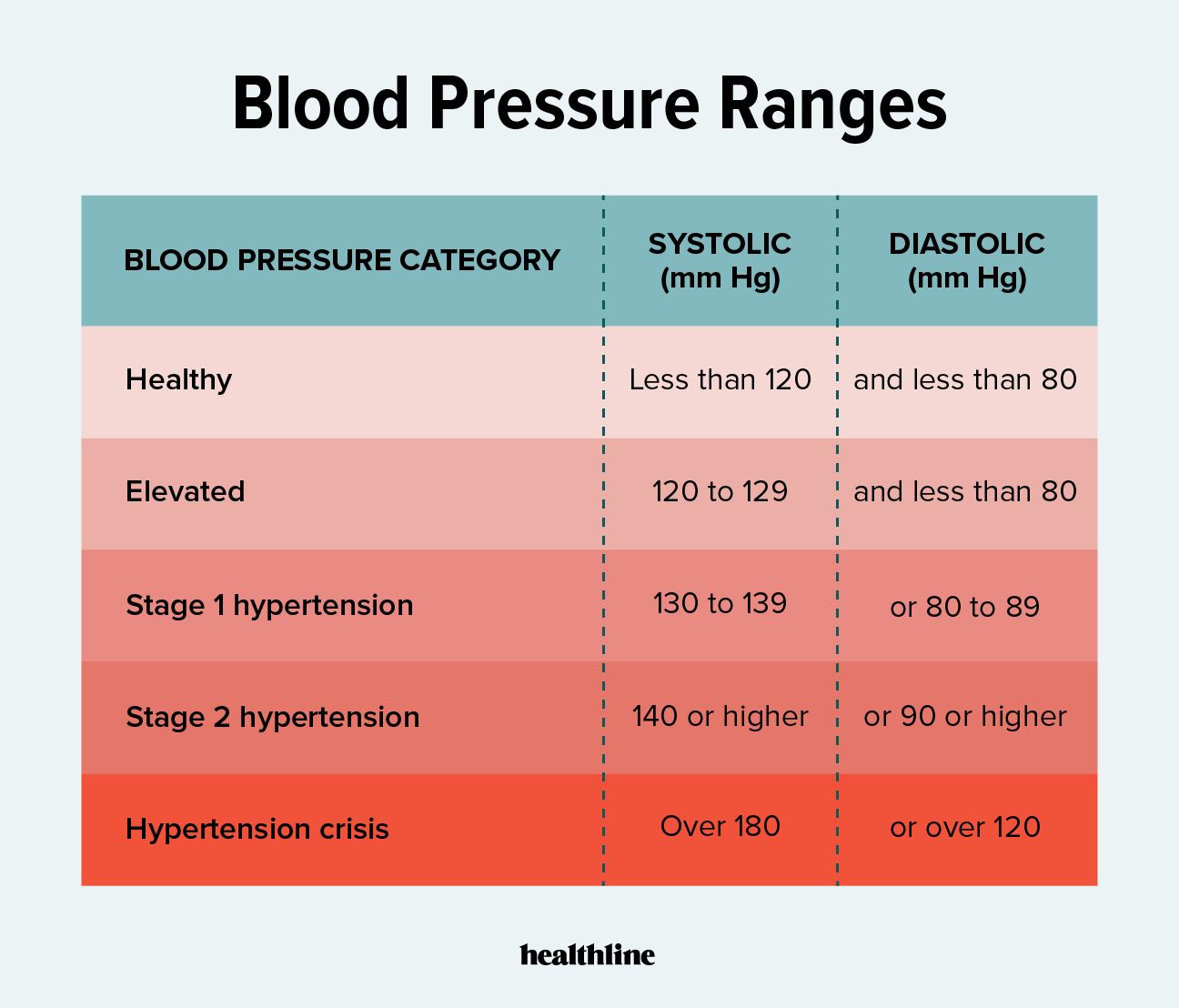
The American Heart Association (AHA) and other health organizations have established guidelines for categorizing blood pressure levels:
Normal: Less than 120/80 mmHg.
It’s vital to note that a single high reading doesn’t necessarily indicate hypertension. Accurate diagnosis requires multiple readings taken on different occasions.
Factors Influencing Blood Pressure

Numerous factors can influence blood pressure, both short-term and long-term:
Short-Term Fluctuations
Stress: The body’s “fight-or-flight” response triggers the release of hormones like adrenaline, which can temporarily elevate blood pressure.
Long-Term Influences
Age: Blood pressure typically increases with age due to stiffening of the arteries.
The Risks of High Blood Pressure (Hypertension)
Untreated hypertension significantly increases the risk of serious health problems:
Cardiovascular Disease
Hypertension damages arteries, making them more susceptible to plaque buildup (atherosclerosis), which can lead to heart attacks and strokes.
Kidney Disease
Stroke
Vision Problems
Managing Blood Pressure: Lifestyle Modifications
Lifestyle changes are often the first line of defense against hypertension:
Healthy Diet
Adopting the DASH (Dietary Approaches to Stop Hypertension) diet, which emphasizes fruits, vegetables, whole grains, and lean protein, while limiting sodium, saturated fat, and added sugars.
Regular Exercise
Weight Management
Limiting Alcohol Consumption
Quitting Smoking
Stress Management
Medical Treatments for Hypertension
If lifestyle changes are insufficient, medications may be necessary:
Diuretics
ACE Inhibitors
Angiotensin II Receptor Blockers (ARBs)
Beta-Blockers
Calcium Channel Blockers
It’s crucial to work with a healthcare provider to determine the most appropriate medication and dosage.
Blood Pressure Monitoring
Regular blood pressure monitoring is essential for tracking progress and ensuring effective management.
Home Monitoring
Using a home blood pressure monitor can provide valuable insights into daily fluctuations and help identify patterns.
Regular Checkups
Conclusion
Understanding blood pressure is essential for maintaining optimal cardiovascular health. By adopting a healthy lifestyle, monitoring blood pressure regularly, and seeking medical advice when necessary, individuals can significantly reduce their risk of hypertension and its associated complications. It is a metric that is easily tested, and should be checked by everybody on a regular basis.


