
Understanding Yeast Infections: Causes, Symptoms, and Treatments
Yeast infections, primarily caused by the fungus Candida albicans, are a common health issue affecting millions worldwide. While most frequently associated with vaginal discomfort, yeast infections can occur in various parts of the body, impacting both men and women. This comprehensive guide delves into the intricacies of yeast infections, exploring their causes, symptoms, diagnosis, treatment, and prevention.
What is a Yeast Infection?
A yeast infection, or candidiasis, arises when Candida albicans, a naturally occurring fungus in the body, overgrows. Normally, a healthy balance of bacteria and yeast within the body prevents excessive Candida proliferation. However, disruptions to this balance can lead to an overgrowth, resulting in an infection.
Types of Yeast Infections:
Yeast infections can manifest in various forms, depending on the affected area:
Vaginal Yeast Infections (Vulvovaginal Candidiasis):
This is the most prevalent type of yeast infection, affecting a significant portion of women at some point in their lives. The warm, moist environment of the vagina provides an ideal breeding ground for Candida.

Oral Thrush (Oropharyngeal Candidiasis):
Oral thrush occurs when Candida overgrows in the mouth and throat. It’s characterized by white, creamy lesions on the tongue, inner cheeks, and throat.
Cutaneous Candidiasis (Skin Yeast Infections):
Skin yeast infections can develop in warm, moist areas of the body, such as skin folds, under the breasts, and between the fingers and toes.
Invasive Candidiasis:
In rare cases, Candida can enter the bloodstream and affect internal organs, leading to a serious condition known as invasive candidiasis. This typically occurs in individuals with weakened immune systems.
Causes of Yeast Infections:
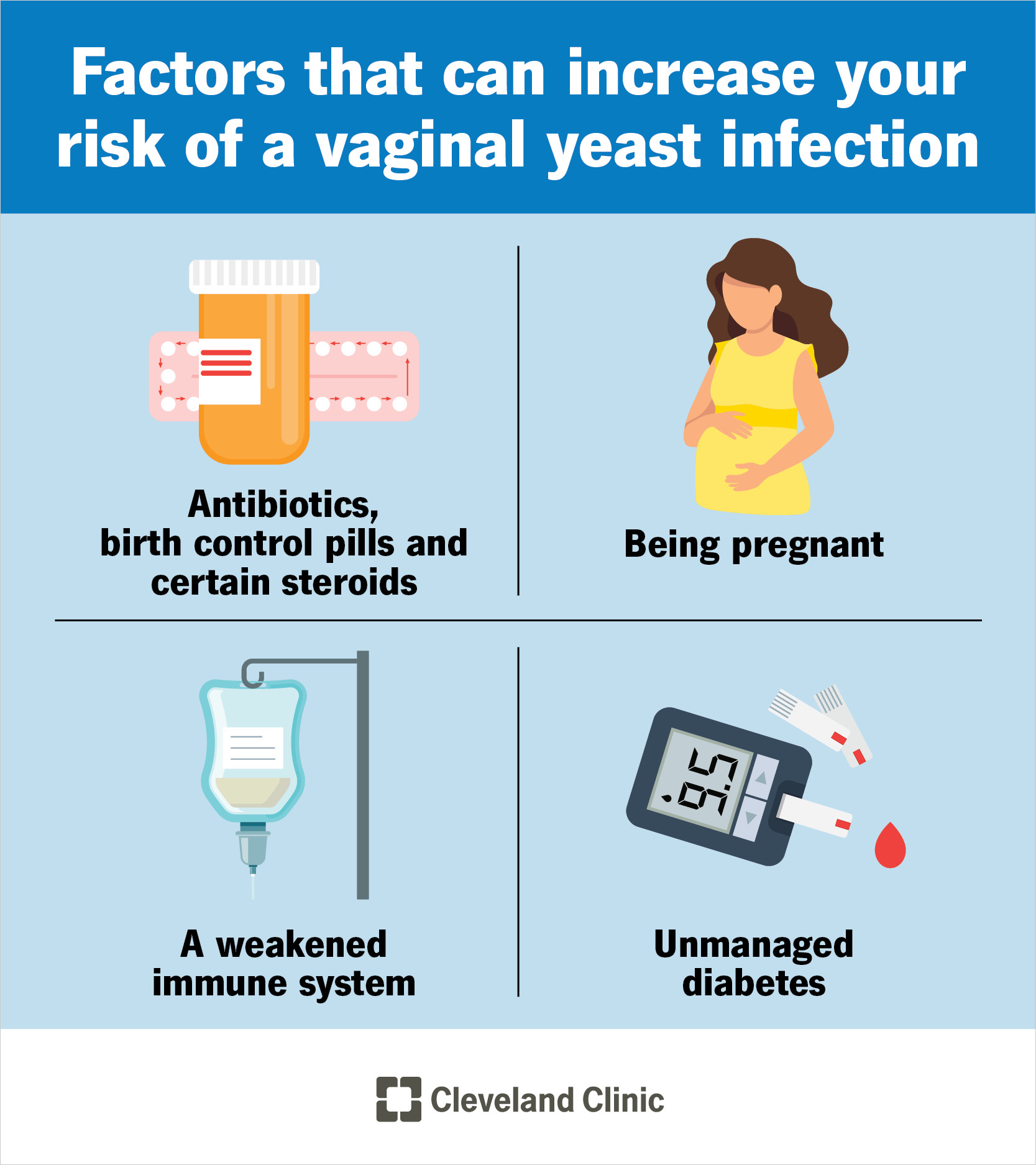
Several factors can disrupt the body’s natural balance and contribute to Candida overgrowth:
Antibiotic Use:
Antibiotics kill bacteria, including beneficial bacteria that help keep Candida in check. This can create an environment conducive to yeast overgrowth.
Weakened Immune System:
Individuals with compromised immune systems, such as those with HIV/AIDS, diabetes, or those undergoing chemotherapy, are more susceptible to yeast infections.
Hormonal Changes:
Fluctuations in hormone levels, such as those occurring during pregnancy, menstruation, or due to hormone replacement therapy, can increase the risk of yeast infections.
Diabetes:
High blood sugar levels can create an environment conducive to Candida growth.
Uncontrolled Blood Sugar:
This is a risk factor for many infections, including yeast.
Use of Steroids:
Steroids, especially inhaled or oral, can weaken the immune system and increase the risk of yeast infections.
Tight-fitting Clothing:
Tight, non-breathable clothing can trap moisture and create a warm, humid environment that promotes Candida growth.
Douching:
Douching disrupts the natural balance of bacteria in the vagina, increasing the risk of yeast infections.
Use of Scented Feminine Products:
Scented soaps, sprays, and douches can irritate the vaginal area and disrupt the natural balance of microorganisms.
Symptoms of Yeast Infections:
The symptoms of a yeast infection vary depending on the location of the infection:
Vaginal Yeast Infection Symptoms:
Intense itching and burning in the vaginal and vulvar area.
Oral Thrush Symptoms:
White, creamy lesions on the tongue, inner cheeks, and throat.
Cutaneous Candidiasis Symptoms:
Red, itchy rash.
Diagnosis of Yeast Infections:
Diagnosing a yeast infection typically involves a physical examination and, in some cases, laboratory tests.
Physical Examination:
A healthcare provider will examine the affected area for signs of redness, swelling, and discharge.
Microscopic Examination:
A sample of the discharge or lesion may be examined under a microscope to identify Candida cells.
Culture:
In some cases, a culture may be performed to confirm the diagnosis and identify the specific species of Candida.
Treatment of Yeast Infections:
Treatment for yeast infections depends on the severity and location of the infection.
Antifungal Medications:
Antifungal medications are the primary treatment for yeast infections. These medications are available in various forms, including creams, ointments, suppositories, and oral tablets.
Topical Antifungal Medications:
Topical antifungal medications are commonly used to treat vaginal and skin yeast infections.
Oral Antifungal Medications:
Oral antifungal medications may be prescribed for severe or recurrent yeast infections.
Home Remedies:
Some home remedies may provide relief from mild yeast infection symptoms, but they should not replace medical treatment.
Probiotics:
Probiotics can help restore the balance of bacteria in the body, which may help prevent or treat yeast infections.
Yogurt:
Plain, unsweetened yogurt containing live cultures can be applied topically or consumed to help restore the balance of bacteria in the vagina.
Coconut Oil:
Coconut oil has antifungal properties and may be applied topically to relieve itching and irritation.
Garlic:
Garlic has antifungal properties and may be consumed or applied topically.
Prevention of Yeast Infections:
Several lifestyle changes and preventative measures can help reduce the risk of yeast infections:
Maintain Good Hygiene:
Wash the genital area with mild, unscented soap and water.
Wear Breathable Clothing:
Wear loose-fitting, cotton underwear.
Manage Blood Sugar Levels:
Limit Antibiotic Use:
Consume Probiotics:
Avoid Scented Feminine Products:
Change Wet Clothing Promptly:
Recurrent Yeast Infections:
Recurrent yeast infections, defined as four or more episodes within a year, can be frustrating and disruptive. It’s crucial to consult a healthcare provider to identify any underlying causes and develop a comprehensive treatment plan.
Potential Underlying Causes of Recurrent Infections:
Uncontrolled diabetes.
Treatment for Recurrent Infections:
Long-term antifungal therapy.
When to See a Healthcare Provider:
It’s essential to seek medical attention if you experience:
Severe symptoms.
Yeast infections, while common, can significantly impact quality of life. Understanding the causes, symptoms, and treatment options empowers individuals to take proactive steps towards prevention and management. Prompt diagnosis and appropriate treatment are crucial for resolving yeast infections and preventing complications.


