The Silent Threat: Understanding and Managing High LDL Cholesterol
Low-density lipoprotein (LDL) cholesterol, often dubbed “bad” cholesterol, plays a critical role in cardiovascular health. While cholesterol itself is essential for building cell membranes and producing hormones, an excess of LDL can lead to serious health complications. This article delves into the intricacies of high LDL cholesterol, exploring its causes, risks, management strategies, and the latest advancements in treatment.
Understanding LDL Cholesterol
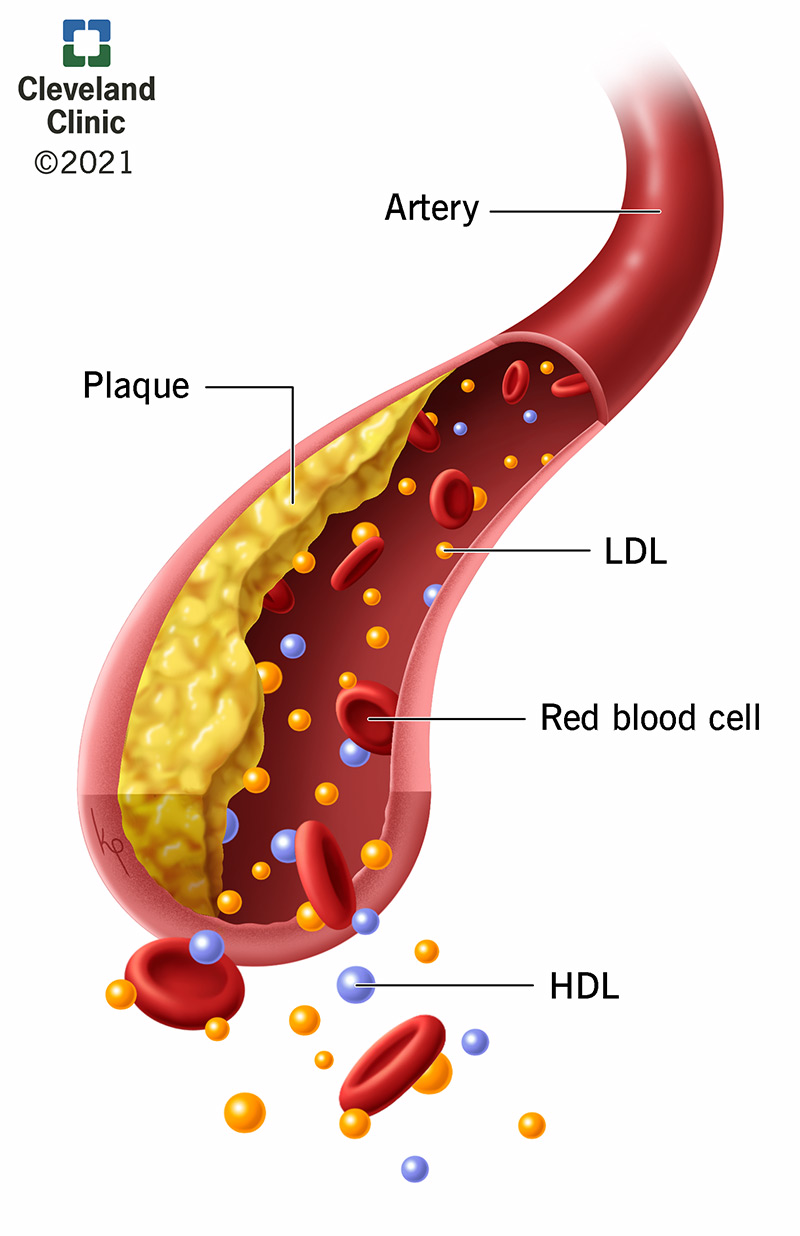
Cholesterol is a waxy, fat-like substance that travels through the bloodstream via lipoproteins. LDL is one type of lipoprotein, responsible for transporting cholesterol from the liver to cells throughout the body. When there’s an overabundance of LDL, it can accumulate on the walls of arteries, forming plaque. This plaque build-up, known as atherosclerosis, narrows the arteries, restricting blood flow and increasing the risk of heart attack and stroke.
The American Heart Association (AHA) provides guidelines for optimal cholesterol levels:
Optimal LDL: Less than 100 mg/dL
Near optimal/above optimal LDL: 100-129 mg/dL
Borderline high LDL: 130-159 mg/dL
High LDL: 160-189 mg/dL
Very high LDL: 190 mg/dL and above
These targets may vary depending on individual risk factors, such as a history of heart disease, diabetes, or other health conditions.
Ways to Reduce LDL Cholesterol
Causes of High LDL Cholesterol
Several factors contribute to elevated LDL levels:
Dietary Factors
Saturated Fats: Found primarily in red meat, poultry skin, and full-fat dairy products, saturated fats encourage the liver to produce more LDL cholesterol.
Trans Fats: Commonly found in processed foods, fried foods, and some baked goods, trans fats not only raise LDL but also lower high-density lipoprotein (HDL), the “good” cholesterol.
Dietary Cholesterol: While dietary cholesterol has less impact than saturated and trans fats, consuming excessive amounts can still contribute to high LDL in some individuals.
Lifestyle Factors
Lack of Physical Activity: Regular exercise helps lower LDL and raise HDL. A sedentary lifestyle increases the risk of high cholesterol.
Obesity: Excess weight, particularly around the abdomen, is associated with higher LDL levels.
Smoking: Smoking damages blood vessel walls, making them more susceptible to plaque buildup. It also lowers HDL cholesterol.
Genetic Factors
Familial Hypercholesterolemia (FH): This inherited condition causes the body to produce excessively high levels of LDL cholesterol from birth, significantly increasing the risk of premature heart disease.
Medical Conditions
Diabetes: High blood sugar levels can lead to increased LDL and decreased HDL.
Hypothyroidism: An underactive thyroid gland can impair the body’s ability to remove LDL cholesterol.
Kidney Disease: Chronic kidney disease can affect cholesterol metabolism.
Liver Disease: Certain liver conditions can disrupt cholesterol regulation.
Medications
Certain medications, such as some progestins, anabolic steroids, and corticosteroids can raise LDL cholesterol.
Risks Associated with High LDL Cholesterol
The primary risk associated with high LDL cholesterol is atherosclerosis. This plaque buildup can lead to:
Coronary Artery Disease (CAD)
CAD occurs when plaque narrows the coronary arteries, reducing blood flow to the heart muscle. This can cause angina (chest pain) or a heart attack.
Stroke
A stroke occurs when blood flow to the brain is blocked, often due to a clot formed from plaque buildup in the carotid arteries.
Peripheral Artery Disease (PAD)
PAD affects the arteries in the legs and feet, causing pain, cramping, and reduced blood flow.
Managing High LDL Cholesterol
Managing high LDL cholesterol involves a combination of lifestyle modifications and, in some cases, medication.
Lifestyle Changes
Dietary Modifications:
Limit Saturated and Trans Fats: Choose lean proteins, low-fat dairy, and healthy fats like those found in avocados, nuts, and olive oil.
Increase Soluble Fiber: Soluble fiber, found in oats, beans, and apples, helps lower LDL cholesterol.
Add Omega-3 Fatty Acids: Omega-3s, found in fatty fish like salmon, flaxseeds, and walnuts, can help lower triglycerides and modestly assist in lowering LDL.
Regular Exercise: Aim for at least 30 minutes of moderate-intensity exercise most days of the week.
Weight Management: Losing even a small amount of weight can significantly improve cholesterol levels.
Quit Smoking: Quitting smoking is crucial for improving cardiovascular health.
Limit Alcohol Consumption: Excessive alcohol intake can raise cholesterol levels.
Medications
If lifestyle changes alone are insufficient to lower LDL cholesterol, doctors may prescribe medication:
Statins
Statins are the most commonly prescribed cholesterol-lowering medication. They work by inhibiting an enzyme in the liver that produces cholesterol.
Bile Acid Sequestrants
These medications bind to bile acids in the intestine, preventing their reabsorption and forcing the liver to use more cholesterol to produce bile.
Cholesterol Absorption Inhibitors
These drugs reduce the absorption of cholesterol in the small intestine.
PCSK9 Inhibitors
These newer medications block a protein called PCSK9, which helps the liver remove LDL cholesterol from the blood. They are typically reserved for individuals with very high LDL or those who cannot tolerate statins.
Bempedoic Acid
This drug works in a similar method to statins, but it works on a different enzyme. It is used for those that cannot tolerate statins.
Monitoring and Follow-Up
Regular cholesterol testing is essential for monitoring LDL levels and assessing the effectiveness of treatment. Frequency of testing depends on individual risk factors and treatment progress.
The Future of LDL Management
Research continues to explore new approaches to LDL management, including:
Gene Therapy
Gene therapy holds promise for treating FH by correcting the underlying genetic defect.
New Drug Targets
Researchers are investigating new drug targets that could provide more effective cholesterol-lowering therapies.
Conclusion
High LDL cholesterol is a significant risk factor for cardiovascular disease. Understanding its causes, risks, and management strategies is crucial for maintaining heart health. Lifestyle modifications, along with medication when necessary, can effectively lower LDL levels and reduce the risk of heart attack and stroke. Regular monitoring and follow-up with a healthcare provider are essential for long-term cardiovascular well-being. By adopting a heart-healthy lifestyle and adhering to prescribed treatments, individuals can take control of their cholesterol and protect their cardiovascular health for years to come.

:max_bytes(150000):strip_icc()/ways-to-lower-your-ldl-cholesterol-698071-01-1f1f4186f959494d82f573f9e26fd2ea.png "image.title")


