Decoding the Discomfort: A Comprehensive Guide to Ear Infections
Ear infections, a common ailment affecting individuals of all ages, particularly children, can cause significant discomfort and distress. Understanding the various types, causes, symptoms, and treatment options is crucial for effective management and prevention. This comprehensive guide delves into the intricacies of ear infections, providing a detailed overview to empower you with knowledge.
Understanding the Anatomy and Physiology
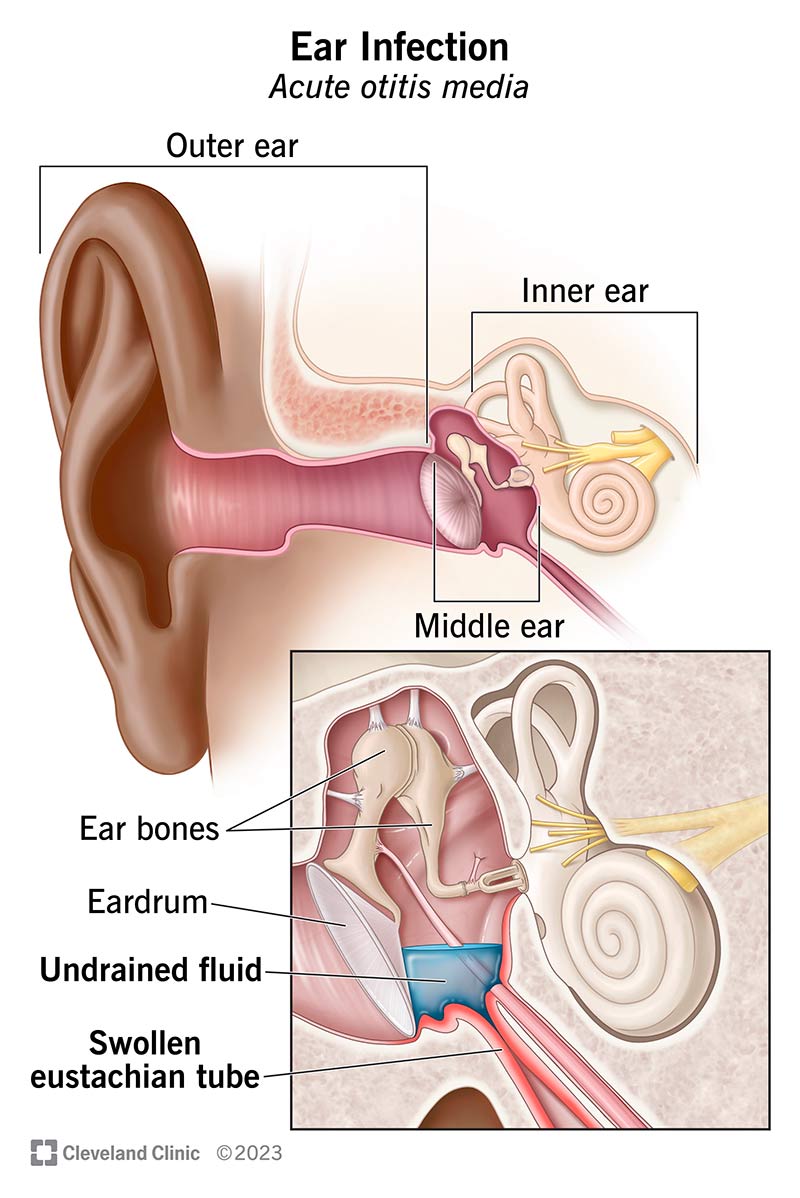
Before exploring the specifics of ear infections, it’s essential to understand the basic anatomy of the ear. The ear comprises three main parts:
The Outer Ear: Consisting of the pinna (visible part) and the ear canal, it collects sound waves and directs them toward the eardrum.
The Middle Ear: An air-filled cavity behind the eardrum, containing the tiny bones (malleus, incus, and stapes) that transmit sound vibrations to the inner ear. The Eustachian tube, connecting the middle ear to the back of the throat, helps equalize pressure and drain fluid.
The Inner Ear: Containing the cochlea (responsible for hearing) and the vestibular system (responsible for balance), it converts sound vibrations into electrical signals sent to the brain.
Types of Ear Infections
Ear infections can manifest in various forms, each with distinct characteristics:
Acute Otitis Media (AOM)
This is the most common type, particularly in children.
It involves inflammation and infection of the middle ear, often caused by bacteria or viruses.
Fluid buildup behind the eardrum contributes to pain and discomfort.
Otitis Media with Effusion (OME)
Ear Infection Ear Health
This condition involves fluid buildup in the middle ear without active infection.
It may follow an AOM episode or occur due to Eustachian tube dysfunction.
While often painless, OME can affect hearing.
Chronic Suppurative Otitis Media (CSOM)
Characterized by persistent or recurrent ear drainage through a perforated eardrum.
It can lead to chronic inflammation and potential complications.
this condition could result from untreated acute infections.
Swimmer’s Ear (Otitis Externa)
An infection of the outer ear canal, typically caused by bacteria or fungi.
Frequent exposure to water, trauma, or skin conditions can predispose individuals to this infection.
Causes of Ear Infections
Ear Infections – Modern Pediatrics
Several factors can contribute to the development of ear infections:
Bacterial and Viral Infections
Bacteria such as Streptococcus pneumoniae and Haemophilus influenzae are common culprits in AOM.
Viruses, including those responsible for the common cold, can also trigger middle ear infections.
Eustachian Tube Dysfunction
The Eustachian tube’s role in pressure equalization and fluid drainage is crucial.
Blockage or dysfunction of this tube can lead to fluid buildup and subsequent infection.
This is very prevelant in young children.
Allergies and Respiratory Infections
Allergies and upper respiratory infections can cause inflammation and congestion in the nasal passages and Eustachian tube.
This increased fluid and inflamtion, creates a breeding ground for bacteria.
Age and Predisposition
Young children are more susceptible due to their developing immune systems and the anatomy of their Eustachian tubes.
Certain genetic factors may also increase the risk of ear infections.
Environmental Factors
Exposure to secondhand smoke and air pollution can irritate the respiratory system and increase the risk of ear infections.
Daycare attendance can also increase a childs chance of catching an ear infection.
Symptoms of Ear Infections
Ear infection symptoms can vary depending on the type and severity:
Common Symptoms
Ear pain or discomfort
Feeling of fullness or pressure in the ear
Hearing difficulties or muffled hearing
Fever
Fluid drainage from the ear
Irritability, especially in children
Trouble sleeping
Symptoms in Children
Pulling or tugging at the ear
Excessive crying
Difficulty sleeping or feeding
Loss of balance
Decreased activity levels
Diagnosis and Treatment
Prompt diagnosis and appropriate treatment are essential for managing ear infections:
Diagnosis
A healthcare professional will examine the eardrum using an otoscope to assess for signs of infection.
Tympanometry may be performed to evaluate the eardrum’s movement and middle ear pressure.
In some cases, a culture of ear drainage may be necessary to identify the specific causative organism.
Treatment Options
Antibiotics: For bacterial infections, antibiotics are typically prescribed.
Pain Relievers: Over-the-counter pain relievers, such as acetaminophen or ibuprofen, can help manage discomfort.
Decongestants and Nasal Sprays: These may be recommended to alleviate congestion and promote Eustachian tube drainage.
Ear Drops: In the case of otitis externa, ear drops containing antibiotics or antifungals are often used.
Observation: In some cases of AOM, particularly in older children, a wait-and-see approach may be adopted. This option is used when the infection looks to be clearing on its own.
Myringotomy and Tube Insertion: For recurrent or chronic ear infections, a myringotomy (a small incision in the eardrum) may be performed to drain fluid. Tubes may be inserted to prevent future fluid buildup.
Prevention Strategies
Taking proactive measures can help reduce the risk of ear infections:
Hygiene Practices
Frequent handwashing can minimize the spread of respiratory infections.
Avoid inserting objects into the ear canal, as this can damage the eardrum and introduce bacteria.
Vaccinations
Vaccinations against influenza and pneumococcal bacteria can help prevent some ear infections.
Breastfeeding
Breastfeeding, especially for the first six months of life, can provide infants with immune-boosting antibodies.
Avoiding Environmental Irritants
Minimizing exposure to secondhand smoke and allergens can help reduce respiratory irritation.
Proper Management of Allergies and Respiratory Infections
Proper management of these conditions can help reduce the likelyhood of secondary ear infections.
Complications
Untreated ear infections can lead to potential complications, including:
Hearing loss
Speech delays (in children)
Mastoiditis (infection of the mastoid bone behind the ear)
Ruptured eardrum
Meningitis (rare)
When to Seek Medical Attention
Consult a healthcare professional if you or your child experiences:
Severe ear pain
Persistent fever
Fluid drainage from the ear
Hearing loss
Symptoms that worsen or do not improve after a few days
Ear infections can be painful and disruptive, but with proper understanding and management, they can be effectively addressed. By recognizing the symptoms, seeking timely medical attention, and implementing preventive measures, individuals can minimize the impact of these common ailments.