
The Shadow of the Mind: A Comprehensive Look at Clinical Depression
Clinical depression, also known as major depressive disorder, is a pervasive and debilitating mental health condition that affects millions worldwide. It’s far more than just feeling “blue” or experiencing a temporary setback. It’s a persistent state of low mood, loss of interest in activities, and a range of physical and cognitive symptoms that significantly impair daily life. This article delves into the multifaceted nature of clinical depression, exploring its causes, symptoms, diagnosis, treatment, and the paths to recovery.
Understanding the Depths: What is Clinical Depression?
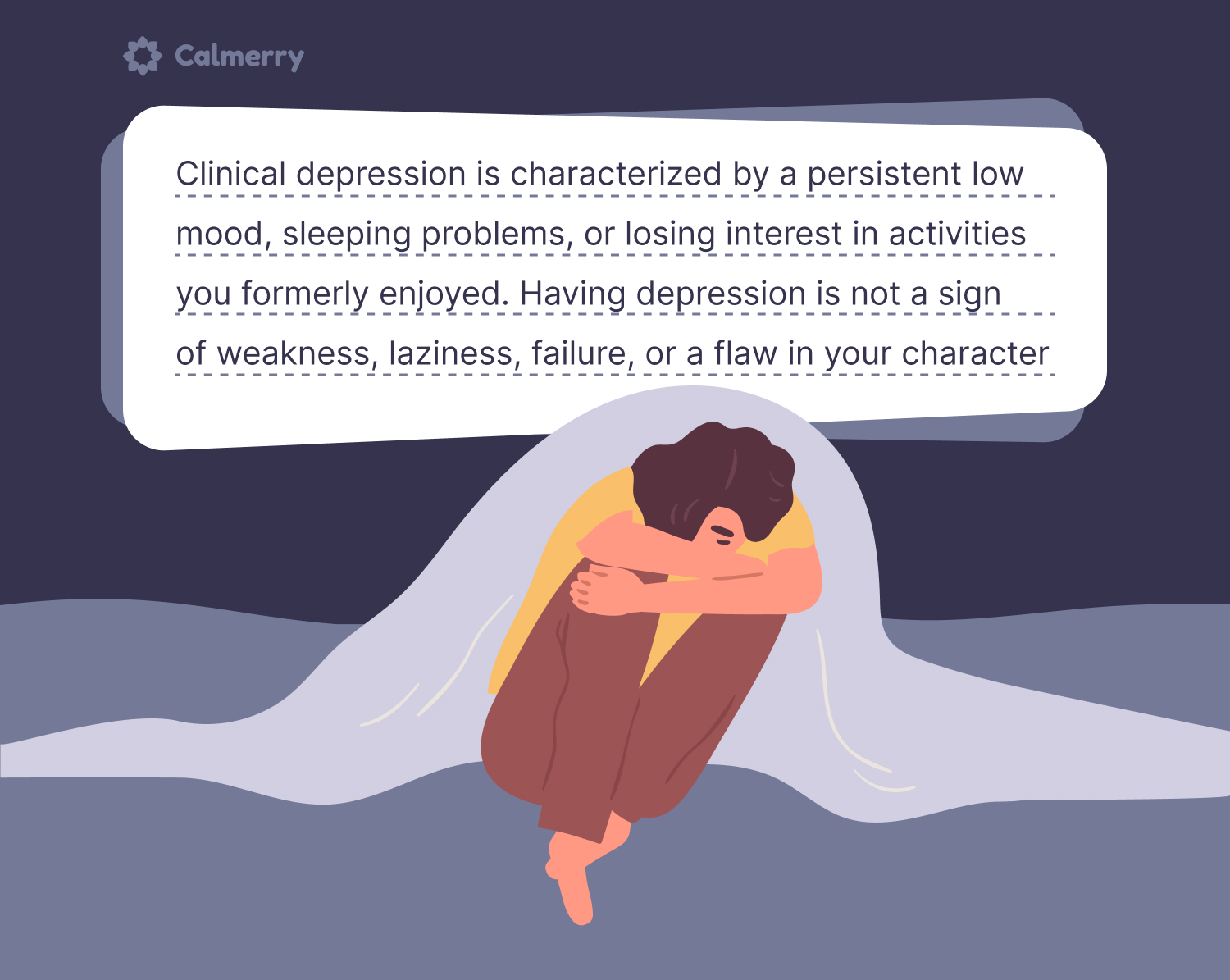
Clinical depression is a mood disorder characterized by a persistent feeling of sadness, hopelessness, and a lack of interest in previously enjoyable activities. Unlike normal sadness, which is a natural response to life’s challenges, clinical depression is a prolonged and intense experience that interferes with a person’s ability to function. It’s a complex interplay of biological, psychological, and social factors.
The Spectrum of Symptoms: Recognizing the Signs
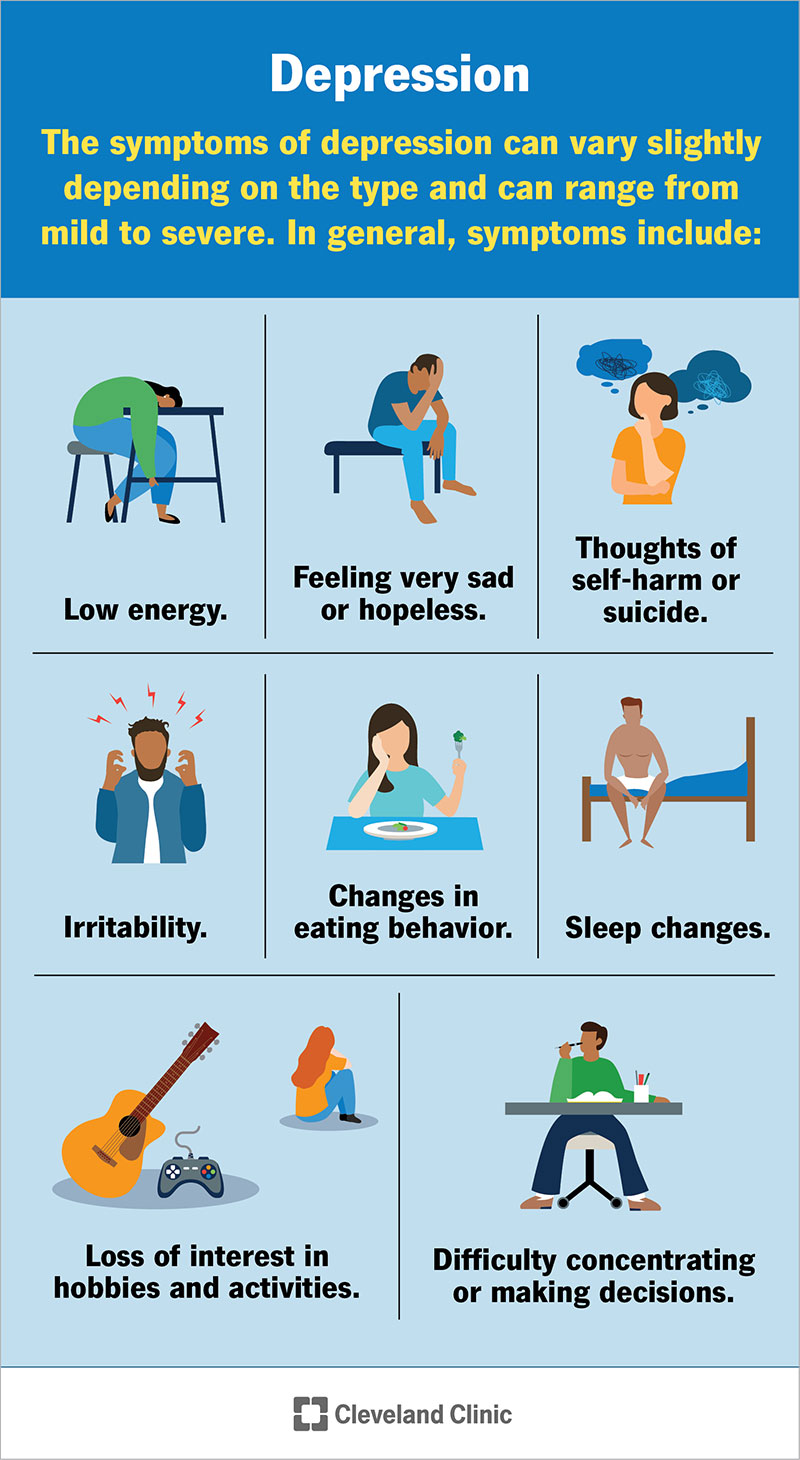
The symptoms of clinical depression can vary from person to person, and their severity can range from mild to severe. To be diagnosed with major depressive disorder, an individual must experience five or more of the following symptoms for at least two weeks, with at least one of the symptoms being either depressed mood or loss of interest or pleasure:
Persistent Sadness or Low Mood
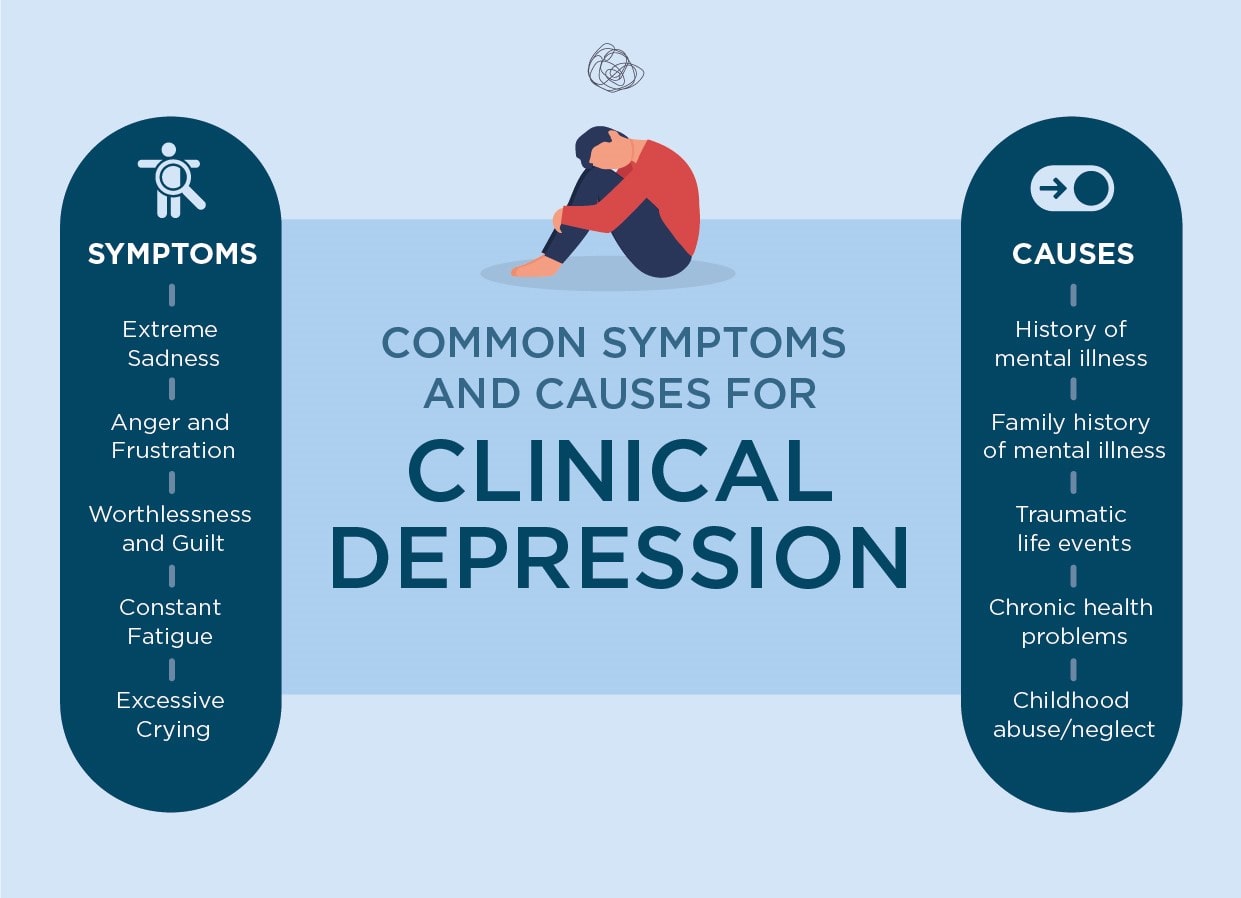
This is the hallmark symptom of depression. Individuals may feel persistently sad, empty, hopeless, or tearful. This feeling is often described as a deep, pervasive sense of gloom that clouds their perception of the world.
Loss of Interest or Pleasure (Anhedonia)
Anhedonia refers to a significant decrease or loss of interest in activities that were once pleasurable. This can include hobbies, social gatherings, and even basic daily activities.
Changes in Appetite and Weight
Some individuals may experience a significant decrease in appetite, leading to weight loss, while others may experience an increase in appetite and weight gain.
Sleep Disturbances
Depression can disrupt sleep patterns, leading to insomnia (difficulty falling or staying asleep) or hypersomnia (excessive sleepiness).
Fatigue and Loss of Energy
Persistent fatigue and a lack of energy are common symptoms of depression. Even simple tasks can feel overwhelming and exhausting.
Feelings of Worthlessness or Excessive Guilt
Individuals with depression may experience intense feelings of worthlessness, self-blame, or excessive guilt, often disproportionate to their circumstances.
Difficulty Concentrating, Thinking, or Making Decisions
Depression can impair cognitive function, making it difficult to concentrate, focus, remember things, or make decisions.
Psychomotor Agitation or Retardation
This refers to noticeable changes in physical activity. Agitation may manifest as restlessness, pacing, or fidgeting, while retardation may involve slowed movements and speech.
Recurrent Thoughts of Death or Suicide
In severe cases, depression can lead to recurrent thoughts of death, suicidal ideation, or suicide attempts.
Unraveling the Causes: The Multifactorial Nature of Depression
The exact causes of clinical depression are complex and not fully understood. However, research suggests that it results from a combination of genetic, biological, psychological, and environmental factors.
Genetic Predisposition
A family history of depression can increase an individual’s risk of developing the disorder. Genes can influence the production and function of neurotransmitters, which play a crucial role in mood regulation.
Neurochemical Imbalances
Imbalances in neurotransmitters, such as serotonin, norepinephrine, and dopamine, are believed to contribute to depression. These chemicals are responsible for transmitting signals between nerve cells in the brain.
Hormonal Changes
Hormonal fluctuations, such as those that occur during puberty, pregnancy, postpartum, and menopause, can trigger or exacerbate depression.
Life Events and Stress
Stressful life events, such as the loss of a loved one, job loss, relationship problems, or trauma, can trigger depression in vulnerable individuals. Chronic stress can also disrupt the brain’s chemistry and contribute to the development of depression.
Medical Conditions
Certain medical conditions, such as thyroid problems, chronic pain, and neurological disorders, can increase the risk of depression.
Substance Abuse
Substance abuse, including alcohol and drug use, can contribute to or worsen depression.
Personality Traits
Certain personality traits, such as low self-esteem, pessimism, and a tendency to worry excessively, can increase vulnerability to depression.
The Diagnostic Process: Seeking Professional Help
Diagnosing clinical depression involves a comprehensive evaluation by a mental health professional, such as a psychiatrist, psychologist, or licensed clinical social worker. The evaluation typically includes:
Medical History
The clinician will ask about the individual’s medical history, including any past or present medical conditions, medications, and substance use.
Mental Health Assessment
A thorough assessment of the individual’s symptoms, mood, thoughts, and behaviors will be conducted. This may involve the use of standardized questionnaires and rating scales.
Physical Examination
A physical examination may be conducted to rule out any underlying medical conditions that could be contributing to the symptoms.
Laboratory Tests
Blood tests or other laboratory tests may be ordered to check for hormonal imbalances or other medical conditions.
The Path to Recovery: Treatment Options
Clinical depression is a treatable condition. A combination of therapies and lifestyle changes can significantly improve symptoms and quality of life.
Psychotherapy
Psychotherapy, also known as talk therapy, is a cornerstone of depression treatment. Different types of therapy, such as cognitive behavioral therapy (CBT) and interpersonal therapy (IPT), can help individuals identify and change negative thought patterns, develop coping skills, and improve relationships.
Medication
Antidepressant medications can help regulate neurotransmitter imbalances in the brain. Selective serotonin reuptake inhibitors (SSRIs), serotonin-norepinephrine reuptake inhibitors (SNRIs), and tricyclic antidepressants (TCAs) are commonly prescribed.
Lifestyle Changes
Lifestyle changes can play a vital role in managing depression. These include:
Regular Exercise
Physical activity can boost mood and reduce stress.
Healthy Diet
A balanced diet can provide essential nutrients for brain health.
Adequate Sleep
Prioritizing sleep can improve mood and energy levels.
Stress Management Techniques
Practicing relaxation techniques, such as meditation, yoga, or deep breathing, can help reduce stress.
Social Support
Connecting with supportive friends and family members can provide emotional support and reduce feelings of isolation.
Brain Stimulation Therapies
In severe cases of depression that do not respond to other treatments, brain stimulation therapies, such as electroconvulsive therapy (ECT) or transcranial magnetic stimulation (TMS), may be considered.
Navigating the Journey: Coping Strategies
Living with depression can be challenging, but there are coping strategies that can help individuals manage their symptoms and improve their well-being.
Set Realistic Goals
Break down large tasks into smaller, more manageable steps.
Prioritize Self-Care
Engage in activities that promote relaxation and well-being.
Challenge Negative Thoughts
Identify and challenge negative thought patterns.
Seek Support
Connect with support groups or mental health professionals.
Avoid Alcohol and Drugs
Substance abuse can worsen depression symptoms.
Practice Mindfulness
Focus on the present moment and cultivate self-awareness.
The Importance of Prevention: Building Resilience
While depression cannot always be prevented, certain strategies can help build resilience and reduce the risk.
Maintain Healthy Relationships
Nurture supportive relationships with friends and family.
Develop Coping Skills
Learn healthy ways to manage stress and adversity.
Practice Self-Compassion
Treat yourself with kindness and understanding.
Seek Help Early
Address mental health concerns promptly.
Promote Mental Health Awareness
Educate yourself and others about mental health.
Conclusion: Embracing Hope and Healing
Clinical depression is a serious mental health condition that can significantly impact an individual’s life. However, with appropriate treatment and support, recovery is possible. By understanding the complexities of depression, recognizing the symptoms, seeking professional help, and adopting healthy coping strategies, individuals can navigate the challenges of this disorder and embrace a path towards healing and well-being. It is important to remember that depression is not a sign of weakness, and seeking help is a sign of strength.


