The Crushing Weight: Understanding and Navigating Severe Depression
Severe depression, also known as major depressive disorder, is far more than just feeling “down” or “blue.” It’s a debilitating mental health condition that profoundly impacts every aspect of a person’s life. It’s a persistent and pervasive darkness that clouds perception, saps energy, and erodes the very foundation of joy and hope. This article delves into the complexities of severe depression, exploring its symptoms, causes, impact, and available treatments.
Understanding the Depths: What is Severe Depression?
Severe depression is characterized by a cluster of symptoms that persist for at least two weeks and significantly interfere with daily functioning. Unlike transient sadness, severe depression is a persistent state of emotional, cognitive, and physical distress. It’s a medical condition that requires professional intervention.
Depression: Causes, Symptoms, Types & Treatment
The Symptoms: A Spectrum of Suffering
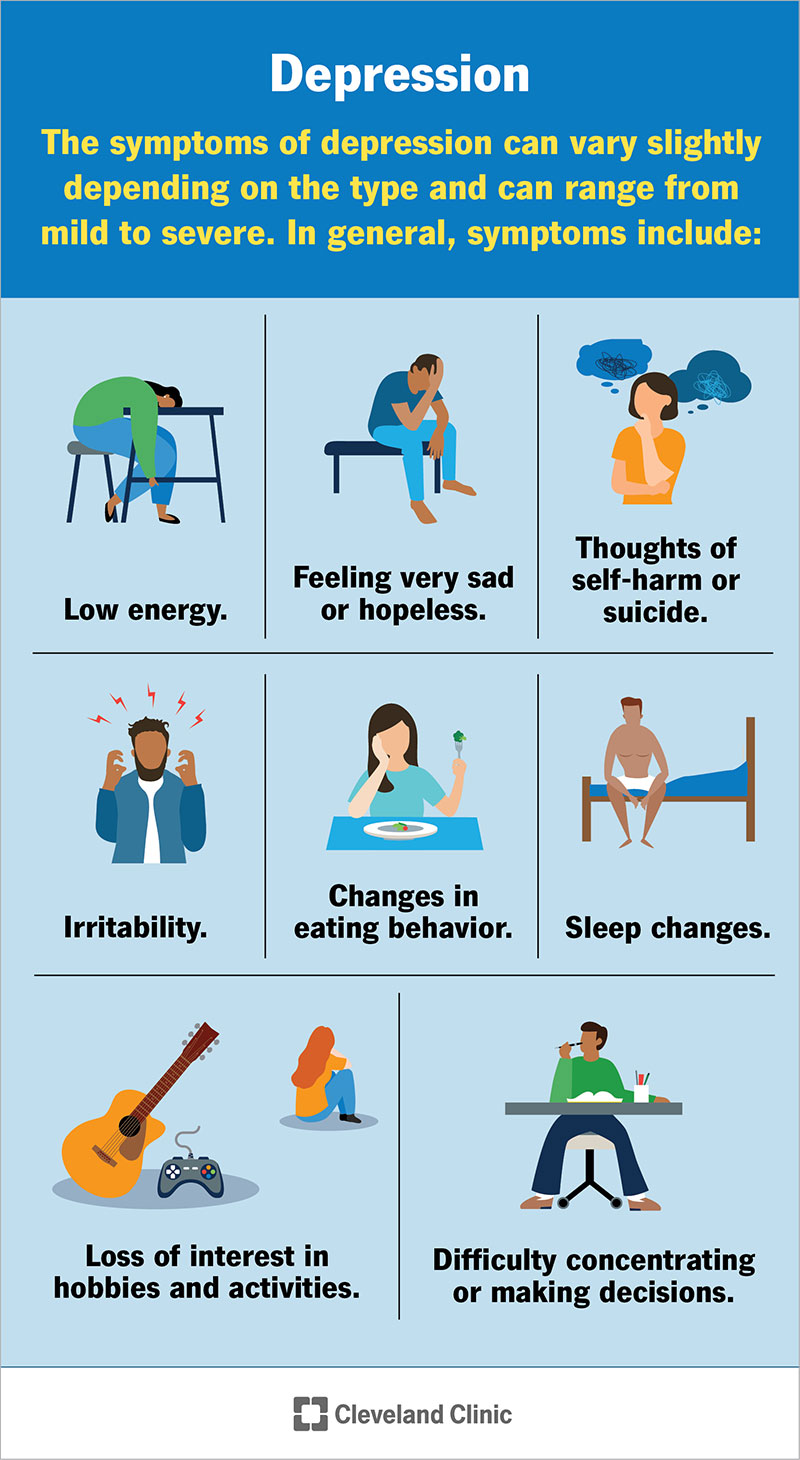
The symptoms of severe depression can vary in intensity and presentation, but they typically include:
Persistent Sadness and Hopelessness
A profound and unrelenting feeling of sadness, emptiness, or hopelessness that dominates daily life.
Tears may flow easily and frequently, or emotional numbness may prevail.
The future appears bleak, and a sense of despair permeates thoughts.
Loss of Interest and Pleasure (Anhedonia)
A significant decrease or complete loss of interest in activities that were once enjoyed.
Hobbies, social interactions, and even basic pleasures like food and entertainment lose their appeal.
This anhedonia can contribute to social isolation and further deepen the depression.
Changes in Appetite and Weight
What Are the Signs That You Are Severely Depressed?
Significant weight loss or gain, unrelated to dieting.
Changes in appetite, including a lack of desire to eat or excessive eating.
These physical changes can further exacerbate feelings of low self-esteem and body image issues.
Sleep Disturbances
Insomnia, including difficulty falling asleep, staying asleep, or waking up too early.
Hypersomnia, or excessive sleepiness, can also occur.
Sleep disturbances can disrupt daily routines and contribute to fatigue and irritability.
Fatigue and Loss of Energy
Persistent fatigue and a lack of energy, even after adequate rest.
Simple tasks may feel overwhelming and require significant effort.
This fatigue can interfere with work, school, and social activities.
Feelings of Worthlessness or Excessive Guilt
Intense feelings of worthlessness, self-blame, and guilt.
A tendency to dwell on past mistakes and perceived failures.
These negative thoughts can contribute to low self-esteem and a sense of hopelessness.
Difficulty Concentrating, Thinking, or Making Decisions
Impaired cognitive function, including difficulty concentrating, remembering details, and making decisions.
Thoughts may be slow and muddled.
This cognitive impairment can affect work performance and daily functioning.
Recurrent Thoughts of Death or Suicide
Recurrent thoughts of death, suicidal ideation, or suicide attempts.
This is a serious symptom that requires immediate professional help.
If you or someone you know is experiencing suicidal thoughts, please seek help immediately.
Physical Symptoms
Unexplained physical symptoms, such as headaches, stomach aches, or chronic pain.
These physical symptoms can be related to the emotional distress of depression.
The Roots of Despair: Causes and Contributing Factors
The exact cause of severe depression is complex and multifaceted. It’s likely a combination of genetic, biological, environmental, and psychological factors.
Genetic Predisposition
A family history of depression can increase the risk of developing the condition.
Genetic factors can influence brain chemistry and neurotransmitter function.
Brain Chemistry and Neurotransmitters
Imbalances in neurotransmitters, such as serotonin, dopamine, and norepinephrine, are believed to play a role in depression.
These neurotransmitters are involved in regulating mood, sleep, appetite, and other functions.
Hormonal Changes
Hormonal fluctuations, such as those that occur during puberty, pregnancy, postpartum, and menopause, can trigger or exacerbate depression.
Thyroid problems can also contribute to depressive symptoms.
Life Events and Stress
Stressful life events, such as the loss of a loved one, job loss, financial difficulties, or relationship problems, can trigger depression.
Chronic stress can also contribute to the development of depression.
Medical Conditions
Certain medical conditions, such as chronic pain, heart disease, and cancer, can increase the risk of depression.
Some medications can also cause depressive symptoms.
Personality Traits
Certain personality traits, such as low self-esteem, pessimism, and a tendency to worry, can increase vulnerability to depression.
Substance Abuse
Substance abuse, including alcohol and drug use, can contribute to or worsen depression.
Substance abuse can also mask underlying depressive symptoms.
The Ripple Effect: Impact on Life and Relationships
Severe depression can have a profound impact on all aspects of a person’s life, including:
Work and School
Decreased productivity, absenteeism, and difficulty concentrating can affect work or school performance.
Severe depression can lead to job loss or academic failure.
Relationships
Social withdrawal, irritability, and emotional detachment can strain relationships with family and friends.
Depression can also affect intimacy and sexual function.
Physical Health
Depression can increase the risk of developing other health problems, such as heart disease, diabetes, and chronic pain.
It can also weaken the immune system.
Financial Stability
Job loss, decreased productivity, and increased medical expenses can create financial difficulties.
Quality of Life
Severe depression can significantly diminish overall quality of life, affecting enjoyment of activities and sense of well-being.
Finding Light in the Darkness: Treatment Options
Severe depression is a treatable condition. A combination of therapies and medications can help individuals manage their symptoms and improve their quality of life.
Psychotherapy
Cognitive behavioral therapy (CBT) helps individuals identify and change negative thought patterns and behaviors.
Interpersonal therapy (IPT) focuses on improving relationships and social skills.
Psychodynamic therapy explores underlying emotional conflicts and past experiences.
Medications
Antidepressants, such as selective serotonin reuptake inhibitors (SSRIs), serotonin-norepinephrine reuptake inhibitors (SNRIs), and tricyclic antidepressants (TCAs), can help regulate neurotransmitter levels.
It may take several weeks for antidepressants to become fully effective.
Medication management is crucial, and should be done under the supervision of a psychiatrist.
Electroconvulsive Therapy (ECT)
ECT is a safe and effective treatment for severe depression that does not respond to other therapies.
It involves delivering electrical pulses to the brain under anesthesia.
Brain Stimulation Therapies
Transcranial magnetic stimulation (TMS) and vagus nerve stimulation (VNS) are non-invasive brain stimulation therapies that can be effective for some individuals.
Lifestyle Changes
Regular exercise, a healthy diet, and adequate sleep can help improve mood and overall well-being.
Stress management techniques, such as yoga, meditation, and deep breathing, can also be beneficial.
Avoiding alcohol and drugs is important.
Seeking Help and Support
If you or someone you know is experiencing symptoms of severe depression, it’s crucial to seek professional help.
Mental Health Professionals
Psychiatrists, psychologists, and therapists can provide assessment, diagnosis, and treatment for depression.
They can also help individuals develop coping skills and strategies for managing symptoms.
Support Groups
Support groups can provide a safe and supportive environment for individuals to share their experiences and connect with others who understand what they’re going through.
Hotlines and Crisis Lines
National suicide prevention hotlines and crisis lines are available 24/7 to provide immediate support and resources.
Hope and Resilience
Severe depression is a challenging condition, but it’s not insurmountable. With appropriate treatment and support, individuals can regain their sense of hope and build a fulfilling life. Recovery is possible, and resilience can be found even in the darkest of times. Remember that you are not alone, and help is available.

:max_bytes(150000):strip_icc()/severe-depression-56af379d3df78cf772c1aa84.jpg "image.title")


