The Uncomfortable Truth: A Comprehensive Guide to Constipation
Constipation, a common digestive woe, affects millions worldwide. While often considered a minor inconvenience, persistent constipation can significantly impact quality of life. This comprehensive guide delves into the intricacies of constipation, exploring its causes, symptoms, diagnosis, treatment, and prevention.
Understanding the Basics: What is Constipation?
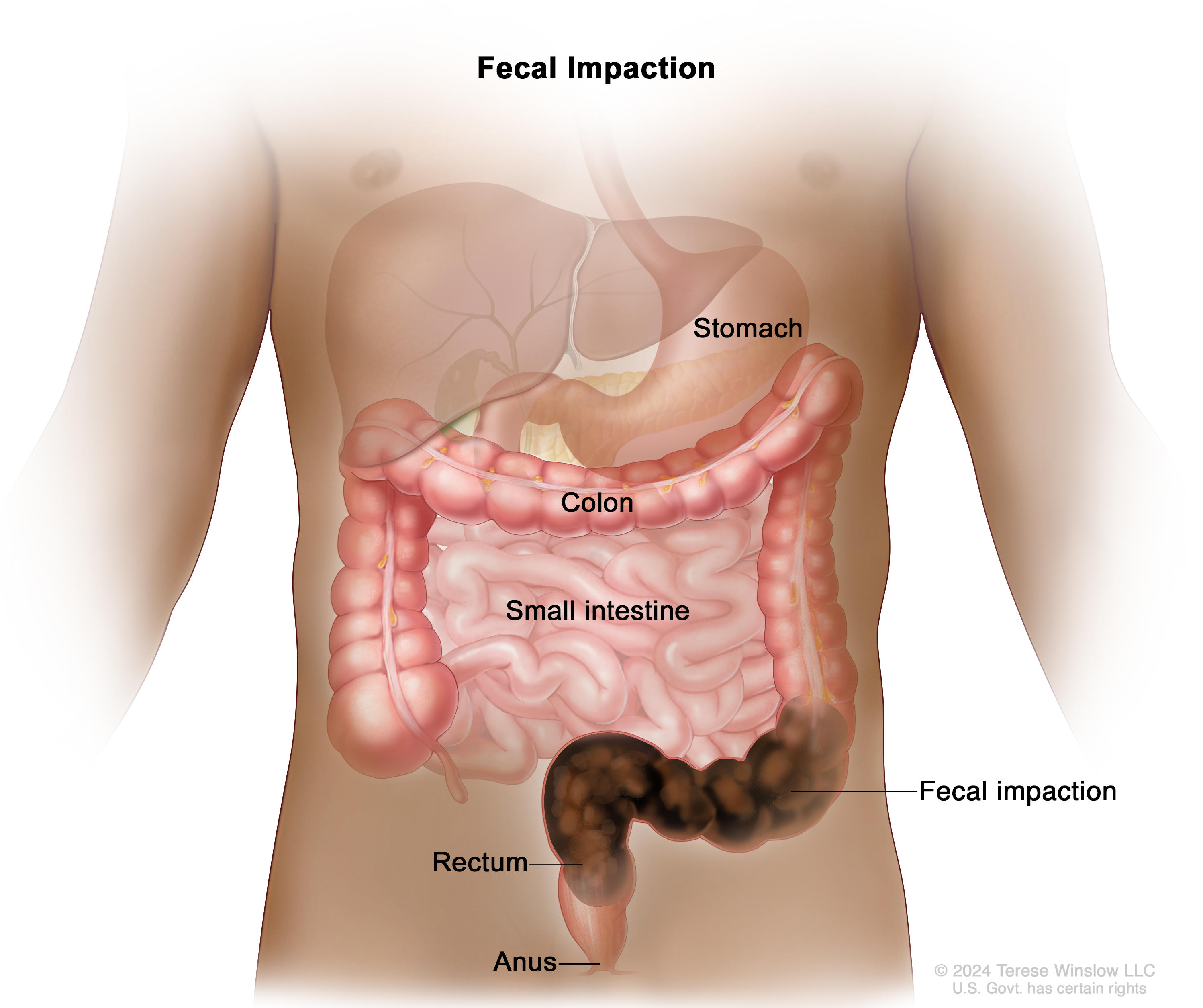
Constipation is generally defined as having fewer than three bowel movements per week. However, the definition extends beyond frequency. It also encompasses difficulty passing stools, including straining, hard or lumpy stools, and a feeling of incomplete evacuation. What constitutes “normal” bowel habits varies from person to person. Some individuals may have bowel movements multiple times a day, while others may go several days between movements. The key is to recognize changes in your own established pattern.
Constipation
Delving Deeper: The Causes of Constipation
Constipation isn’t a disease itself but rather a symptom of underlying factors. These factors can be broadly categorized into lifestyle, medical, and medication-related causes.
Lifestyle Factors: The Usual Suspects
Dietary Deficiencies: A diet low in fiber is a primary culprit. Fiber adds bulk to the stool, making it easier to pass. Insufficient fluid intake can also lead to hard, dry stools.
Sedentary Lifestyle: Physical activity stimulates bowel movements. A lack of exercise can slow down the digestive process.
Ignoring the Urge: Regularly suppressing the urge to defecate can weaken the signals between the brain and the bowel, leading to constipation.
Travel and Changes in Routine: Disruptions to your regular schedule, such as travel, can affect bowel habits.
Medical Conditions: Underlying Issues
Irritable Bowel Syndrome (IBS): IBS is a chronic digestive disorder that can cause constipation, diarrhea, or both.
Hypothyroidism: An underactive thyroid gland can slow down metabolism and contribute to constipation.
Neurological Disorders: Conditions like Parkinson’s disease, multiple sclerosis, and stroke can affect the nerves that control bowel function.
Pelvic Floor Dysfunction: Weakness or incoordination of the pelvic floor muscles can make it difficult to pass stools.
Colorectal Cancer: While less common, changes in bowel habits can be a sign of colorectal cancer.
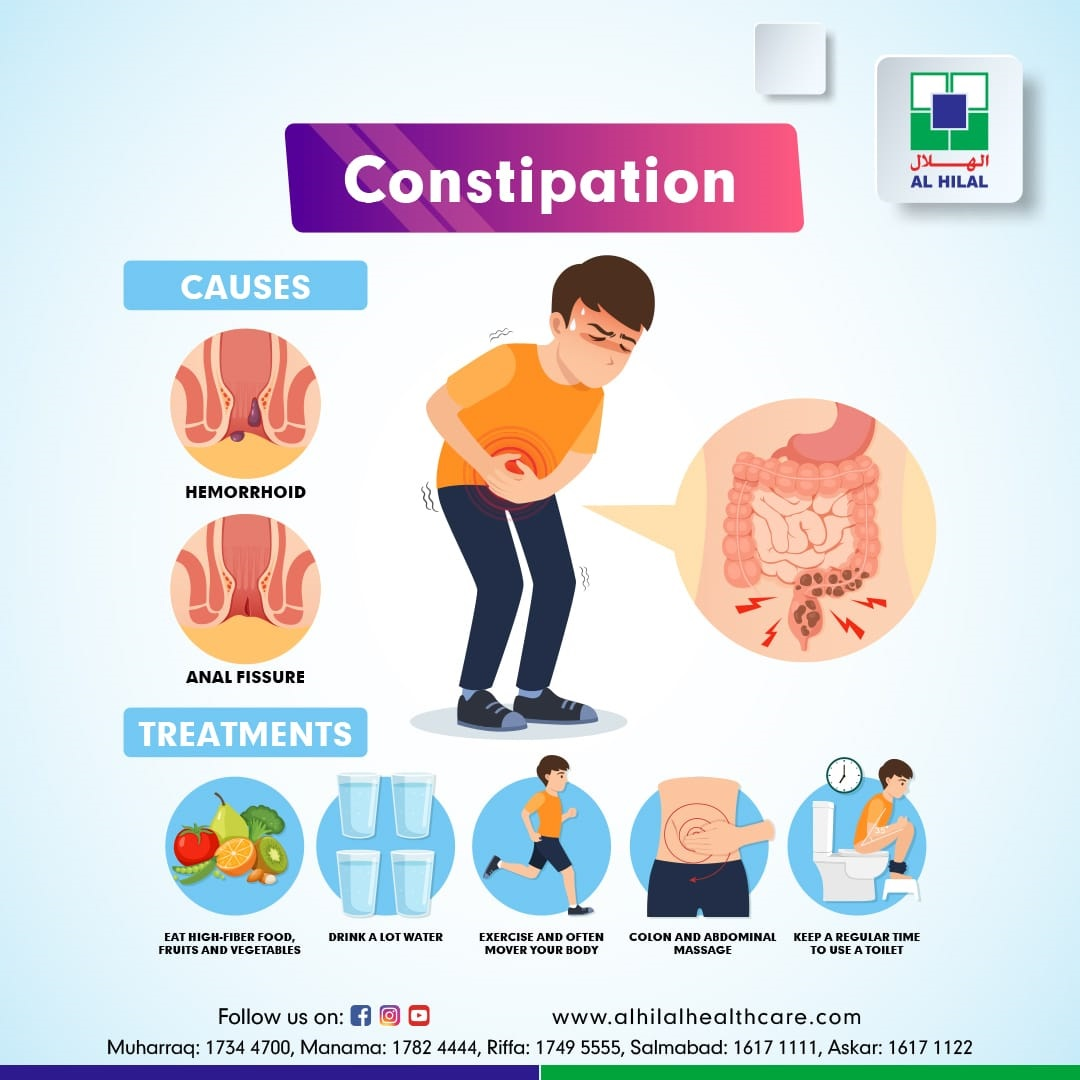
Anal fissures and hemorrhoids: These conditions can cause pain, leading to avoidance of bowel movements and thus, constipation.
Diabetes: Diabetic neuropathy can damage the nerves that control the intestines.
Medications: Potential Side Effects
Constipation and Cancer – Side Effects – NCI
Pain Relievers: Opioid pain medications are notorious for causing constipation.
Antidepressants: Certain antidepressants, particularly tricyclic antidepressants, can slow down bowel movements.
Iron Supplements: Iron supplements can lead to hard, dark stools and constipation.
Antacids: Some antacids containing aluminum or calcium can cause constipation.
Diuretics: These medications can dehydrate the body, leading to harder stools.
Anticholinergics: These medications slow down the digestive system.
Recognizing the Signs: Symptoms of Constipation
Constipation symptoms vary in severity and can include:
Infrequent bowel movements (less than three per week)
Straining during bowel movements
Hard or lumpy stools
Feeling of incomplete evacuation
Abdominal bloating or discomfort
Rectal bleeding (in some cases)
Pain during bowel movements.
Constipation – Wikipedia
Seeking Answers: Diagnosing Constipation
If you experience persistent constipation, it’s essential to consult a healthcare professional. They will typically:
Take a detailed medical history, including your bowel habits, diet, and medications.
Perform a physical examination, including a rectal exam.
Order tests, if necessary, such as:
Blood tests to check for underlying medical conditions.
Stool tests to rule out infections.
Colonoscopy or sigmoidoscopy to visualize the colon and rectum.
Anorectal manometry to assess the function of the anal sphincter and rectum.
Defecography to evaluate the mechanics of defecation.
Barium enema.
Finding Relief: Treatment Options for Constipation
Treatment for constipation depends on the underlying cause and severity of symptoms.
Lifestyle Modifications: The First Line of Defense
Increase Fiber Intake: Gradually increase your intake of fiber-rich foods, such as fruits, vegetables, whole grains, and legumes. Aim for 25-30 grams of fiber per day.
Increase Fluid Intake: Drink plenty of water throughout the day to soften stools.
Regular Exercise: Engage in regular physical activity to stimulate bowel movements.
Establish a Regular Toilet Routine: Try to have bowel movements at the same time each day, preferably after a meal. Do not ignore the urge.
Pelvic Floor Exercises: If pelvic floor dysfunction is suspected, pelvic floor exercises can help strengthen and coordinate these muscles.
Medications: When Lifestyle Changes Aren’t Enough
Bulk-Forming Laxatives: These laxatives, such as psyllium husk, add bulk to the stool and are generally considered safe for long-term use.
Osmotic Laxatives: These laxatives, such as polyethylene glycol, draw water into the colon to soften stools.
Stimulant Laxatives: These laxatives stimulate the muscles of the colon to contract and move stool. They should be used sparingly and only for short periods.
Stool Softeners: These laxatives, such as docusate sodium, soften stools by allowing water and fats to penetrate them.
Lubricant Laxatives: Mineral oil can lubricate the stool, making it easier to pass.
Prescription Medications: In cases of chronic constipation, a doctor may prescribe medications such as lubiprostone, linaclotide, or plecanatide.
Suppositories and Enemas: These can provide rapid relief for occasional constipation.
Alternative Therapies: Complementary Approaches
Acupuncture: Some studies suggest that acupuncture may be helpful for constipation.
Biofeedback: This technique can help individuals learn to control their pelvic floor muscles.
Probiotics: Probiotics may help improve gut health and regularity.
Review medications with your doctor to identify potential causes of constipation.
When to Seek Medical Attention
While occasional constipation is common, it’s essential to seek medical attention if you experience:
Sudden changes in bowel habits.
Severe abdominal pain.
Rectal bleeding.
Unexplained weight loss.
Constipation that doesn’t improve with lifestyle changes.
Blood in the stool.
Vomiting.
Constipation, while often overlooked, can significantly impact one’s well-being. By understanding its causes, symptoms, and treatment options, individuals can take proactive steps to maintain healthy bowel function and improve their overall quality of life. Remember to consult a healthcare professional for personalized advice and treatment.