
The Shadow of New Life: Understanding and Overcoming Postpartum Depression
The arrival of a newborn is often portrayed as a time of pure joy, a magical period filled with coos and cuddles. However, for many mothers, the reality is far more complex. The “baby blues,” a common and transient period of emotional fluctuation, can morph into something more profound and debilitating: postpartum depression (PPD). This often misunderstood condition affects a significant number of women, casting a shadow over what should be a time of celebration and connection.
This article aims to provide a comprehensive understanding of PPD, exploring its causes, symptoms, diagnosis, treatment options, and the crucial role of support systems.
What is Postpartum Depression?

Postpartum depression is a form of major depression that occurs after childbirth. It’s more intense and longer-lasting than the baby blues, which typically resolve within a couple of weeks. PPD can manifest anytime within the first year after delivery, though it’s most common in the first few weeks or months. It’s crucial to understand that PPD is not a sign of weakness or a personal failing. It’s a medical condition requiring professional attention.
The Spectrum of Postpartum Mood Disorders
It’s helpful to distinguish between different postpartum mood disorders:
Baby Blues
These are extremely common, affecting up to 80% of new mothers.
Postpartum Depression (PPD)
A more severe and prolonged form of depression.
Postpartum Psychosis
A rare but serious mental health emergency.
The Contributing Factors: Why Does PPD Occur?
The exact cause of PPD is not fully understood, but it’s likely a combination of physical, emotional, and social factors.
Hormonal Shifts
Dramatic fluctuations in estrogen and progesterone levels after childbirth can significantly impact mood.
Physical Changes
The physical demands of childbirth, recovery, and caring for a newborn can be overwhelming.
Emotional and Psychological Factors
A history of depression or anxiety increases the risk of PPD.
Social and Environmental Factors
Lack of support from family and friends.
Recognizing the Signs: Symptoms of PPD
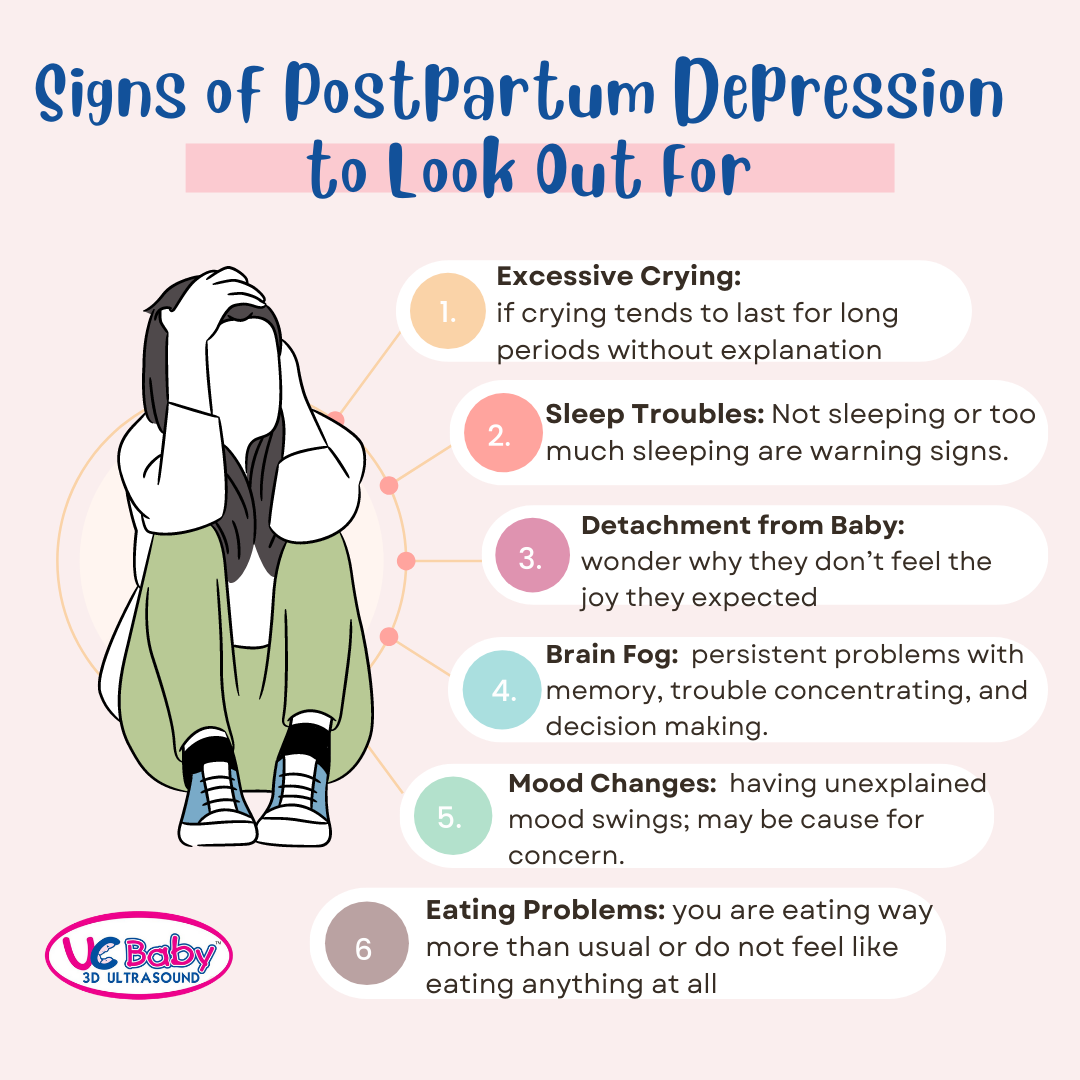
PPD symptoms can vary from person to person, but common signs include:
Persistent Sadness and Hopelessness
Loss of Interest and Pleasure
Changes in Appetite and Sleep
Significant changes in appetite, either eating too much or too little.
Fatigue and Low Energy
Anxiety and Irritability
Feeling excessively worried, anxious, or irritable.
Feelings of Guilt and Worthlessness
Experiencing intense feelings of guilt, inadequacy, or worthlessness.
Difficulty Concentrating and Making Decisions
Thoughts of Harm
Having thoughts of harming yourself or your baby.
The Importance of Diagnosis
Early diagnosis and treatment are crucial for managing PPD and preventing long-term complications.
Seeking Professional Help
If you’re experiencing any symptoms of PPD, it’s essential to seek help from a healthcare provider.
Assessment and Evaluation
A healthcare provider will conduct a thorough assessment, including a medical history, physical examination, and psychological evaluation.
Treatment Options: Finding Relief
There are several effective treatment options for PPD.
Psychotherapy
Cognitive behavioral therapy (CBT) and interpersonal therapy (IPT) can help identify and change negative thought patterns and improve coping skills.
Medication
Antidepressant medications, such as selective serotonin reuptake inhibitors (SSRIs), can be effective in treating PPD.
Support Groups
Connecting with other mothers who have experienced PPD can provide valuable support and understanding.
Lifestyle Changes
Prioritizing self-care, including getting enough sleep, eating a healthy diet, and engaging in regular exercise.
The Role of Support Systems
Support from family, friends, and partners is essential for recovery.
Partners
Partners can provide emotional support, practical assistance, and help with childcare.
Family and Friends
Family and friends can offer practical help, such as cooking meals, running errands, or providing childcare.
Professional Support
Breaking the Stigma: Talking About PPD
PPD is often shrouded in stigma, preventing many women from seeking help.
Raising Awareness
Sharing Personal Stories
Creating Supportive Environments
Prevention Strategies
While PPD cannot always be prevented, there are steps that can be taken to reduce the risk.
Prenatal Care
Education and Preparation
Building a Support Network
Managing Stress
Long-Term Outlook
With appropriate treatment and support, most women recover fully from PPD.
Recovery and Resilience
Building Resilience
Continuing Support
Postpartum depression is a serious but treatable condition. By understanding its causes, symptoms, and treatment options, we can help break the stigma and ensure that all new mothers receive the support they need to thrive. Remember, seeking help is a sign of strength, and recovery is possible.


