
Absolutely! Here’s a 3000-word article about the influenza virus, structured with `
` and `
` tags instead of “.
Influenza, commonly known as the flu, is a contagious respiratory illness caused by influenza viruses. It affects the nose, throat, and lungs, and can lead to mild to severe illness, and sometimes even death. While often confused with the common cold, influenza is a distinct and potentially far more serious infection. This article delves into the intricacies of the influenza virus, exploring its types, mechanisms, evolution, and the ongoing efforts to combat it.
Types of Influenza Viruses
Influenza viruses are categorized into four types: A, B, C, and D.
Influenza A

Influenza A viruses are the most virulent and are responsible for the major influenza pandemics. They infect a wide range of animals, including birds, pigs, and humans. These viruses are further classified into subtypes based on two surface proteins: hemagglutinin (HA) and neuraminidase (NA). For example, the H1N1 subtype refers to a virus with hemagglutinin type 1 and neuraminidase type 1. The high variability of these proteins allows for frequent mutations, leading to antigenic drift and shift.
Influenza B
Influenza B viruses primarily infect humans and cause seasonal epidemics. Unlike influenza A, influenza B viruses are not classified into subtypes but can be further divided into lineages. They exhibit less antigenic variation than influenza A, making them less prone to causing pandemics. However, they can still cause significant illness, particularly in children.
Influenza C
Influenza C viruses cause mild respiratory illness, often resembling the common cold. They infect humans and pigs but are not considered a major public health threat. These viruses do not undergo the same degree of antigenic variation as influenza A and B.
Influenza D
Influenza D viruses primarily affect cattle and pigs. While they can infect humans, they are not known to cause significant illness in people. Research into this strain is still developing.
The Structure and Replication of Influenza Viruses
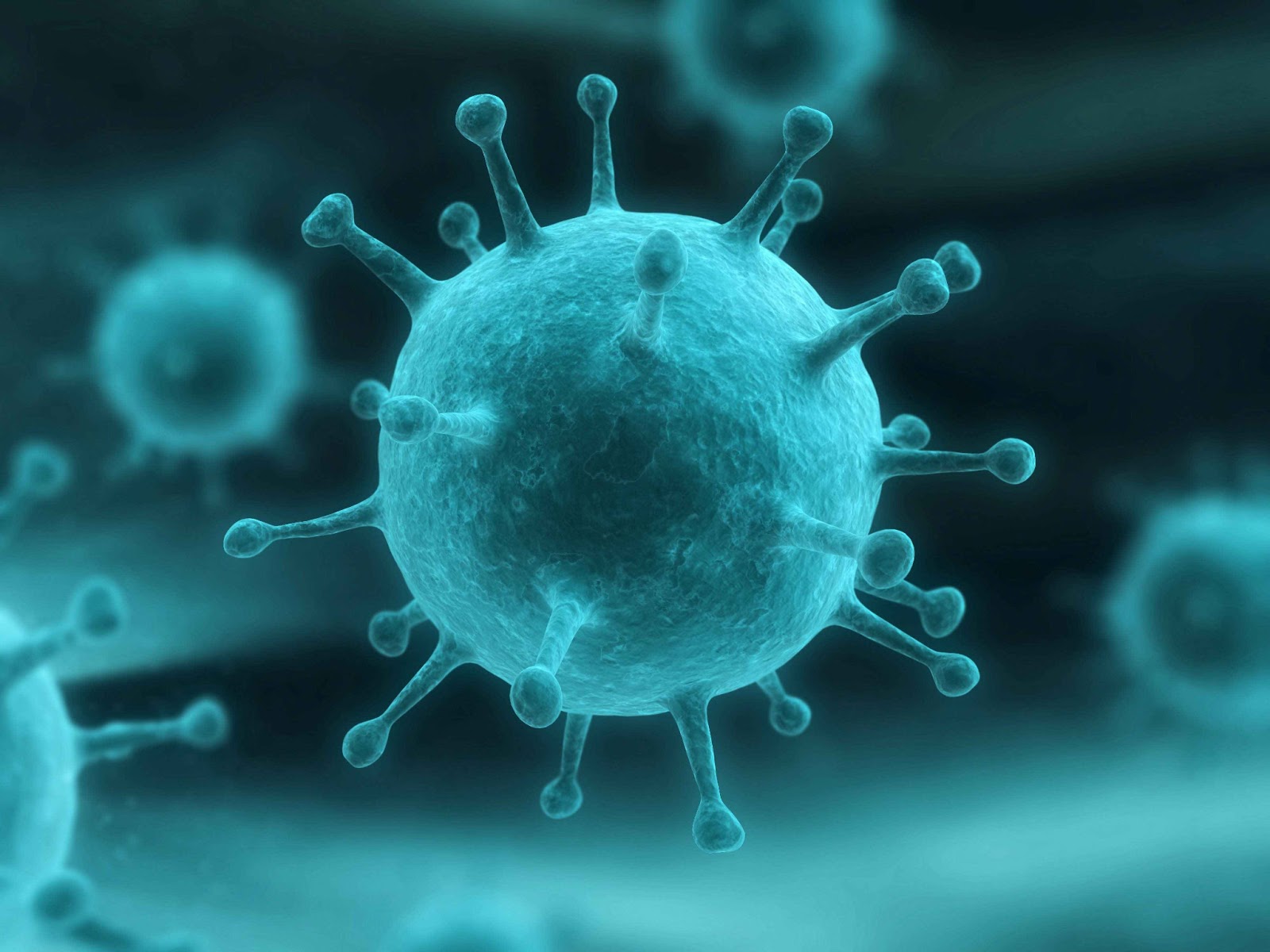
The influenza virus is an enveloped RNA virus. Its structure includes:
Hemagglutinin (HA)
HA is a surface glycoprotein that allows the virus to bind to sialic acid receptors on the surface of host cells, initiating infection.
Neuraminidase (NA)
NA is another surface glycoprotein that cleaves sialic acid, enabling the release of newly formed viral particles from infected cells.
RNA Genome
The influenza virus genome consists of eight RNA segments, which encode for viral proteins. This segmented genome allows for genetic reassortment, a process where segments from different viruses mix, potentially creating new and dangerous strains.
Viral Replication

The replication process of influenza viruses involves several key steps:
Attachment and Entry
The virus attaches to host cells via HA binding to sialic acid receptors.
Uncoating
The virus enters the cell through endocytosis, and the viral RNA is released into the cytoplasm.
Replication and Transcription
Viral RNA is replicated and transcribed into mRNA.
Protein Synthesis
Viral proteins are synthesized using the host cell’s machinery.
Assembly and Release
Newly synthesized viral components assemble, and new viral particles are released from the cell.
Antigenic Drift and Shift
The influenza virus’s ability to mutate is a key factor in its continued threat.
Antigenic Drift
Antigenic drift refers to minor changes in the HA and NA genes due to point mutations. This gradual accumulation of mutations leads to the emergence of new viral variants that can evade existing immunity, contributing to seasonal epidemics.
Antigenic Shift
Antigenic shift is a major change in the virus’s surface proteins, resulting from genetic reassortment. This occurs when two different influenza A viruses infect the same cell, leading to the exchange of RNA segments. Antigenic shift can create entirely new virus subtypes with pandemic potential, as the population may have little to no immunity against them.
Influenza Transmission and Symptoms
Understanding how influenza spreads and its symptoms is crucial for prevention and control.
Transmission
Influenza is primarily spread through respiratory droplets produced when an infected person coughs, sneezes, or talks. These droplets can be inhaled by others or land on surfaces that people subsequently touch. The virus can also be transmitted through direct contact with contaminated surfaces followed by touching the mouth, nose, or eyes.
Symptoms
Influenza symptoms can vary in severity and may include:
Fever or feeling feverish/chills
Cough
Sore throat
Runny or stuffy nose
Muscle or body aches
Headaches
Fatigue (tiredness)
Vomiting and diarrhea (more common in children)
Influenza Prevention and Treatment
Various strategies are employed to prevent and treat influenza.
Vaccination
Annual influenza vaccination is the most effective way to prevent influenza infection. Vaccines are updated each year to match the circulating virus strains. They work by stimulating the immune system to produce antibodies that protect against the virus.
Antiviral Medications
Antiviral drugs, such as oseltamivir and zanamivir, can reduce the severity and duration of influenza illness. They are most effective when started within 48 hours of symptom onset.
Hygiene Practices
Good hygiene practices, such as frequent handwashing, covering coughs and sneezes, and avoiding close contact with sick individuals, can help prevent the spread of influenza.
Public Health Measures
Public health measures, such as school closures and social distancing, can be implemented during outbreaks to slow the spread of the virus.
Historical Influenza Pandemics
Influenza has caused several devastating pandemics throughout history.
1918 Spanish Flu
The 1918 Spanish flu pandemic, caused by an H1N1 virus, was one of the deadliest pandemics in history, infecting an estimated 500 million people worldwide and causing tens of millions of deaths.
1957 Asian Flu
The 1957 Asian flu pandemic, caused by an H2N2 virus, resulted in an estimated 1.1 million deaths worldwide.
1968 Hong Kong Flu
The 1968 Hong Kong flu pandemic, caused by an H3N2 virus, caused an estimated 1 million deaths worldwide.
2009 Swine Flu
The 2009 swine flu pandemic, caused by a novel H1N1 virus, spread rapidly around the world. While it was less deadly than previous pandemics, it still caused significant morbidity and mortality.
Current Research and Future Directions
Ongoing research focuses on improving influenza vaccines, developing new antiviral drugs, and enhancing surveillance and pandemic preparedness.
Universal Influenza Vaccines
Researchers are working on developing universal influenza vaccines that would provide broad and long-lasting protection against multiple influenza strains, eliminating the need for annual vaccinations.
New Antiviral Drugs
Efforts are underway to develop new antiviral drugs with improved efficacy and fewer side effects.
Enhanced Surveillance
Improved surveillance systems are essential for early detection of new influenza strains and monitoring the spread of the virus.
Pandemic Preparedness
Comprehensive pandemic preparedness plans are crucial for mitigating the impact of future influenza pandemics. This includes stockpiling vaccines and antiviral drugs, developing rapid diagnostic tests, and implementing effective public health measures.
In conclusion, the influenza virus remains a significant public health challenge due to its ability to mutate and cause epidemics and pandemics. Continuous research, effective vaccination strategies, and vigilant public health measures are essential for combating this ever-evolving threat.


