
The Essential Symphony: Unveiling the Power of Vitamin B Complex
The human body, a marvel of intricate systems, relies on a delicate balance of nutrients to function optimally. Among these, the B vitamins stand out as a crucial ensemble, working in harmony to support energy production, neurological health, and a myriad of other vital processes. Collectively known as the vitamin B complex, this group of eight essential vitamins plays an indispensable role in maintaining overall well-being. Let’s delve into the fascinating world of B vitamins, exploring their individual roles, benefits, dietary sources, and potential deficiencies.
Understanding the B Complex: An Overview
The vitamin B complex encompasses eight distinct water-soluble vitamins, each with unique functions but often working synergistically. These vitamins are:
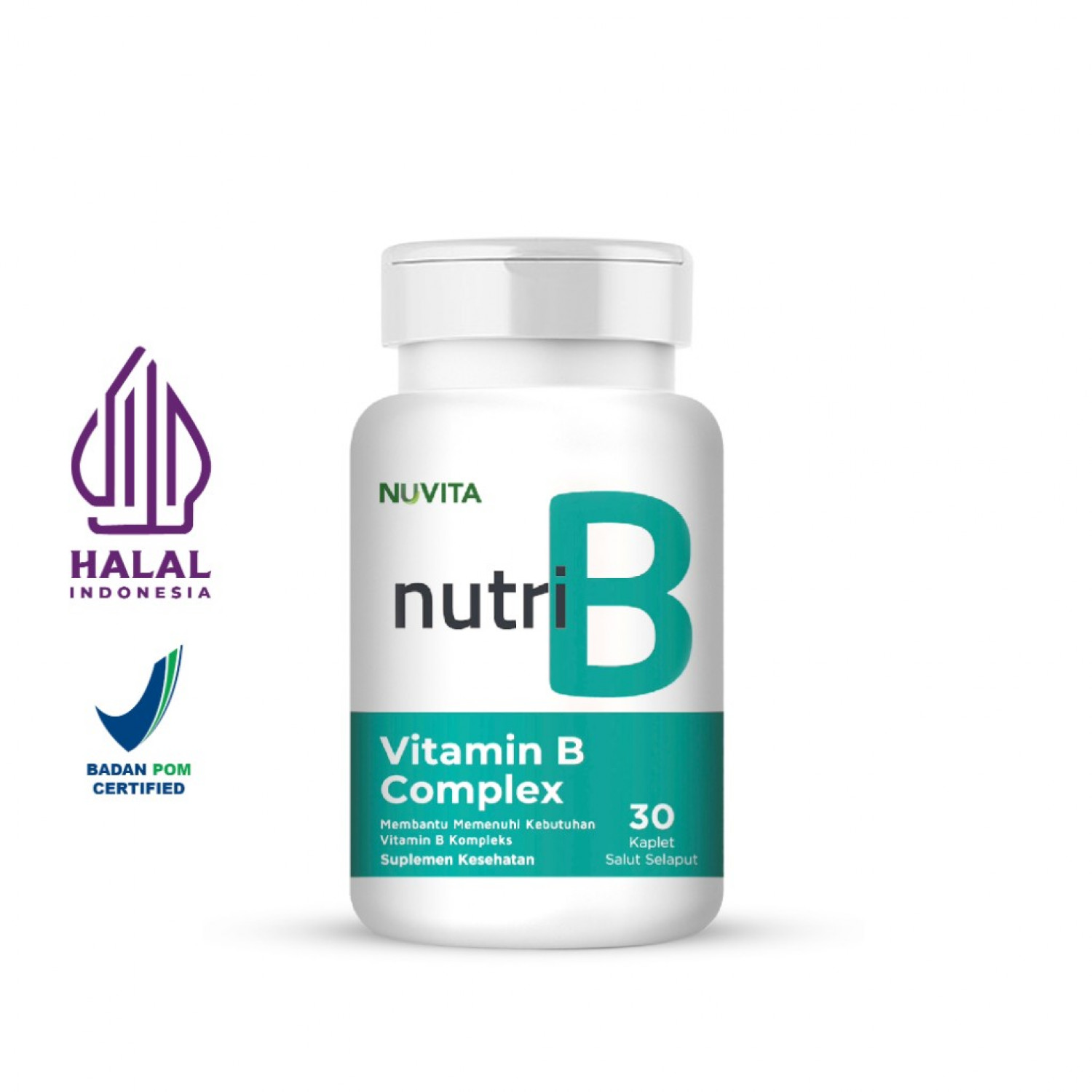
B1 (Thiamine): Crucial for energy metabolism and nerve function.
B1 (Thiamine): The Energy Spark Plug
Thiamine, or vitamin B1, is a cornerstone of energy metabolism. It helps convert carbohydrates into usable energy, fueling cellular processes throughout the body. Furthermore, thiamine plays a crucial role in nerve function, supporting the transmission of nerve signals.

Whole grains (brown rice, oats)
Fatigue
B2 (Riboflavin): The Cellular Powerhouse

Riboflavin, or vitamin B2, is another essential player in energy production. It participates in various enzymatic reactions involved in cellular growth, development, and function. Riboflavin also contributes to maintaining healthy vision and skin.
Dairy products (milk, yogurt)
Cracked lips and mouth corners
B3 (Niacin): The DNA Guardian
Niacin, or vitamin B3, is vital for energy metabolism, DNA repair, and skin health. It plays a role in converting food into energy and supports the integrity of DNA, the genetic material within cells. Niacin also contributes to maintaining healthy cholesterol levels.
Poultry (chicken, turkey)
Pellagra (dermatitis, diarrhea, dementia)
B5 (Pantothenic Acid): The Metabolic Maestro
Pantothenic acid, or vitamin B5, is involved in numerous metabolic processes, including energy production, hormone synthesis, and cholesterol metabolism. It plays a crucial role in the formation of coenzyme A (CoA), a vital compound in cellular energy production.
Avocado
Fatigue
B6 (Pyridoxine): The Brain Booster
Pyridoxine, or vitamin B6, is essential for brain development, immune function, and red blood cell formation. It plays a key role in the synthesis of neurotransmitters, chemical messengers that transmit signals between nerve cells. B6 also supports the production of hemoglobin, the protein in red blood cells that carries oxygen.
Chickpeas
Anemia
B7 (Biotin): The Beauty Vitamin
Biotin, or vitamin B7, plays a key role in energy metabolism, as well as hair, skin, and nail health. It is involved in the synthesis of keratin, a protein that forms the structural basis of hair, skin, and nails. Biotin also contributes to regulating blood sugar levels.
Eggs
Hair loss
B9 (Folate/Folic Acid): The Cell Growth Champion
Folate, or vitamin B9, is essential for cell growth, DNA synthesis, and red blood cell formation. It is particularly crucial during pregnancy, as it plays a vital role in the development of the fetal neural tube. Folic acid is the synthetic form of folate found in supplements and fortified foods.
Leafy green vegetables (spinach, kale)
Anemia
B12 (Cobalamin): The Nerve Protector
Cobalamin, or vitamin B12, is necessary for nerve function, red blood cell formation, and DNA synthesis. It plays a crucial role in maintaining the myelin sheath, the protective covering that surrounds nerve fibers. B12 also contributes to the production of red blood cells and the synthesis of DNA.
Meat (beef, poultry)
Anemia
The Synergy of the B Complex
While each B vitamin has its unique functions, they often work in concert to support various physiological processes. For instance, B1, B2, B3, B5, and B7 all contribute to energy metabolism, ensuring that the body has a steady supply of fuel. B6, B9, and B12 are essential for red blood cell formation, preventing anemia and ensuring adequate oxygen delivery throughout the body.
Who May Need a B Complex Supplement?
While a balanced diet typically provides sufficient B vitamins, certain individuals may benefit from supplementation:
Vegetarians and vegans: B12 is primarily found in animal products, so vegetarians and vegans may be at risk of deficiency.
Choosing a B Complex Supplement
When selecting a B complex supplement, consider the following factors:
Dosage: Choose a supplement that provides adequate amounts of each B vitamin.
Potential Side Effects and Precautions
B vitamins are generally safe when taken as directed. However, high doses of certain B vitamins can cause side effects, such as:
Niacin flush (redness and warmth of the skin)
It is essential to consult with a healthcare professional before taking any B complex supplement, especially if you have any underlying medical conditions or are taking medications.
Conclusion: Embracing the B Vitamin Symphony
The vitamin B complex is a harmonious ensemble of essential nutrients that play a vital role in maintaining overall health and well-being. By understanding the individual roles of each B vitamin, incorporating diverse dietary sources, and considering supplementation when necessary, you can ensure that your body receives the support it needs to thrive. The B vitamins are truly an essential symphony, orchestrating


