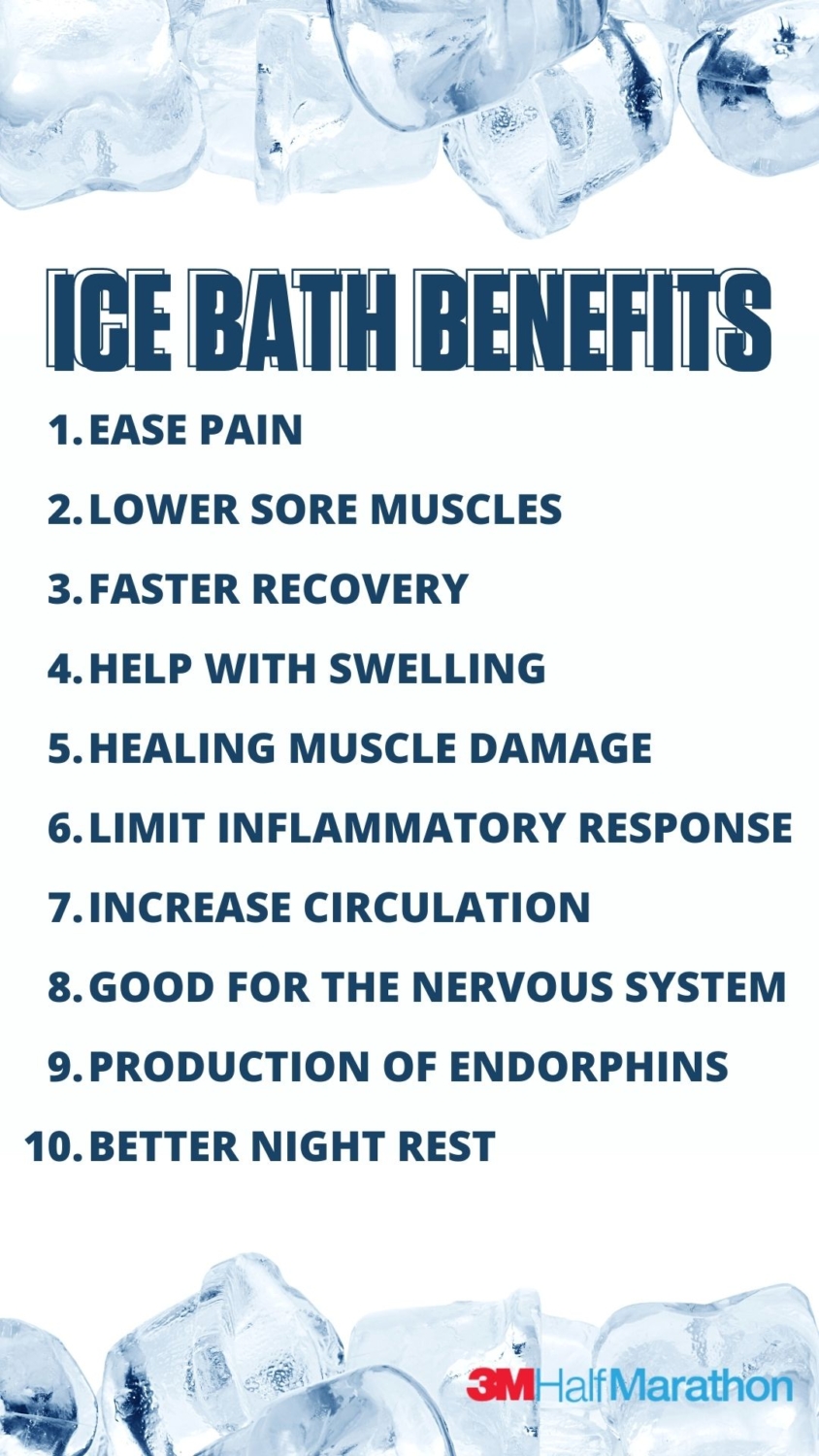
The Chilling Truth: Unveiling the Multifaceted Benefits of Ice Baths
The practice of immersing oneself in icy water, commonly known as an ice bath or cold water immersion (CWI), has transitioned from a niche recovery technique among elite athletes to a burgeoning trend embraced by individuals seeking a plethora of health and wellness benefits. While the initial shock of plunging into frigid water might seem daunting, the potential rewards, ranging from muscle recovery to mental resilience, are increasingly compelling. This article delves into the science behind ice baths, exploring their diverse benefits, practical considerations, and potential risks.
Understanding the Physiological Response to Cold Water
The body’s reaction to cold water immersion is a complex interplay of physiological mechanisms. Upon entering an ice bath, the body experiences a rapid drop in temperature, triggering a cascade of responses:
ice bath recovery benefits you need to know about. Nike ID
Vasoconstriction: Blood vessels near the skin’s surface constrict, reducing blood flow to the extremities and redirecting it towards vital organs to maintain core temperature. This process helps minimize heat loss.
Hormonal Release: The body releases stress hormones like norepinephrine, which can enhance alertness and focus. Furthermore, dopamine, a neurotransmitter associated with pleasure and motivation, is also released.
Reduced Inflammation: Cold water can constrict blood vessels and reduce inflammatory responses in tissues. This is a primary reason for its use in muscle recovery.
Activation of the Sympathetic Nervous System: The “fight-or-flight” response is briefly activated, leading to increased heart rate and breathing.
Muscle Recovery and Reduced Soreness
One of the most widely recognized benefits of ice baths is their ability to accelerate muscle recovery and alleviate delayed-onset muscle soreness (DOMS).
Reducing Inflammation: The vasoconstriction induced by cold water helps minimize inflammation in damaged muscle tissue. This reduces the accumulation of metabolic byproducts that contribute to soreness.
Decreasing Nerve Activity: Cold temperatures can slow down nerve conduction, reducing pain signals transmitted to the brain. This provides temporary relief from muscle soreness.
Flushing out metabolic waste: while bloodflow is reduced to the extremeties when in the ice, when a user leaves the ice bath, the blood rushes back, potentially assisting with the flushing of metabolic waste.
Ice Baths: A Guide to Their Rationale and Protocols – Velocity
Enhanced Mental Resilience and Stress Management
Beyond physical benefits, ice baths can also have a profound impact on mental well-being.
Developing Mental Toughness: The initial shock of cold water requires mental fortitude, and repeated exposure can cultivate resilience and improve the ability to handle stress.
Boosting Mood and Focus: The release of norepinephrine and dopamine can lead to heightened alertness, improved mood, and increased focus.
Managing Anxiety and Depression: Some studies suggest that regular cold water exposure can alleviate symptoms of anxiety and depression by modulating the nervous system’s response to stress.
Building breathing practice: during the cold shock responce, having to control your breathing improves breathing practice.
Improved Circulation and Cardiovascular Health
Revealing the Truth About Ice Baths and the Benefits They Offer
While vasoconstriction occurs during immersion, the subsequent rewarming process can enhance circulation.
Vasodilation: Upon exiting the ice bath, blood vessels dilate, leading to increased blood flow to the extremities. This can improve nutrient delivery and waste removal.
Cardiovascular Conditioning: Regular exposure to cold water can improve cardiovascular function by strengthening the heart and improving its efficiency.
Potential Benefits for Immune Function
Emerging research suggests that cold water immersion might positively influence the immune system.
Increased White Blood Cell Count: Some studies have observed a temporary increase in white blood cell count following cold water exposure, potentially enhancing immune response.
Reduced Inflammation: Chronic inflammation is associated with various diseases, and the anti-inflammatory effects of ice baths might contribute to overall health.
Practical Considerations and Safety Precautions
While ice baths offer numerous potential benefits, it’s crucial to approach them with caution and consider the following:
Temperature and Duration:
The recommended water temperature is typically between 50°F (10°C) and 59°F (15°C).
Immersion time should start with short durations (1-2 minutes) and gradually increase to a maximum of 10-15 minutes.
Gradual Exposure:
Begin with shorter exposures and gradually increase the duration and frequency.
Avoid sudden immersion in extremely cold water.
Listen to Your Body:
If you experience severe discomfort, dizziness, or shivering, immediately exit the ice bath.
Those with pre-existing cardiovascular conditions, Raynaud’s syndrome, or other health concerns should consult with a healthcare professional before trying ice baths.
Post-Immersion Care:
After exiting the ice bath, warm up gradually with a towel, warm clothing, or light activity.
Drinking a warm drink can help to increase your core temperature.
Potential Risks:
Hypothermia: Prolonged exposure to cold water can lead to a dangerous drop in core body temperature.
Cardiac Stress: Cold water immersion can increase heart rate and blood pressure, posing risks for individuals with heart conditions.
Frostbite: extremely cold temperatures can cause frostbite.
Proper ice bath setup:
Make sure you have all items needed close by, towels, warm clothing, and a way to track time.
Having someone near by while doing an ice bath is also recommended.
Ice Baths in Different Contexts
Athletic Performance: Athletes often utilize ice baths for post-workout recovery, reducing muscle soreness, and facilitating faster recovery between training sessions.
Mental Health: Increasingly, ice baths are being incorporated into mental health protocols to manage stress, anxiety, and depression.
General Wellness: Individuals seeking to improve their overall health and well-being are incorporating ice baths into their routines for their potential benefits in immune function, circulation, and mental resilience.
Conclusion: Embracing the Chill
Ice baths, when approached with caution and awareness, can offer a spectrum of potential benefits for physical and mental well-being. From muscle recovery to stress management, the practice of cold water immersion is gaining recognition as a valuable tool for enhancing overall health. However, it’s essential to prioritize safety, listen to your body, and consult with a healthcare professional if you have any pre-existing health conditions. With proper preparation and a mindful approach, you can harness the power of cold water and experience its transformative effects.