
The Silent Thief: Unmasking Insomnia and Reclaiming Your Rest
Insomnia, the persistent struggle to fall asleep or stay asleep, is a widespread affliction that casts a long shadow over millions of lives. More than just a fleeting inconvenience, chronic insomnia can profoundly impact physical and mental health, eroding quality of life and hindering daily functioning. This comprehensive exploration delves into the multifaceted nature of insomnia, examining its causes, symptoms, and a range of effective strategies for reclaiming restful sleep.
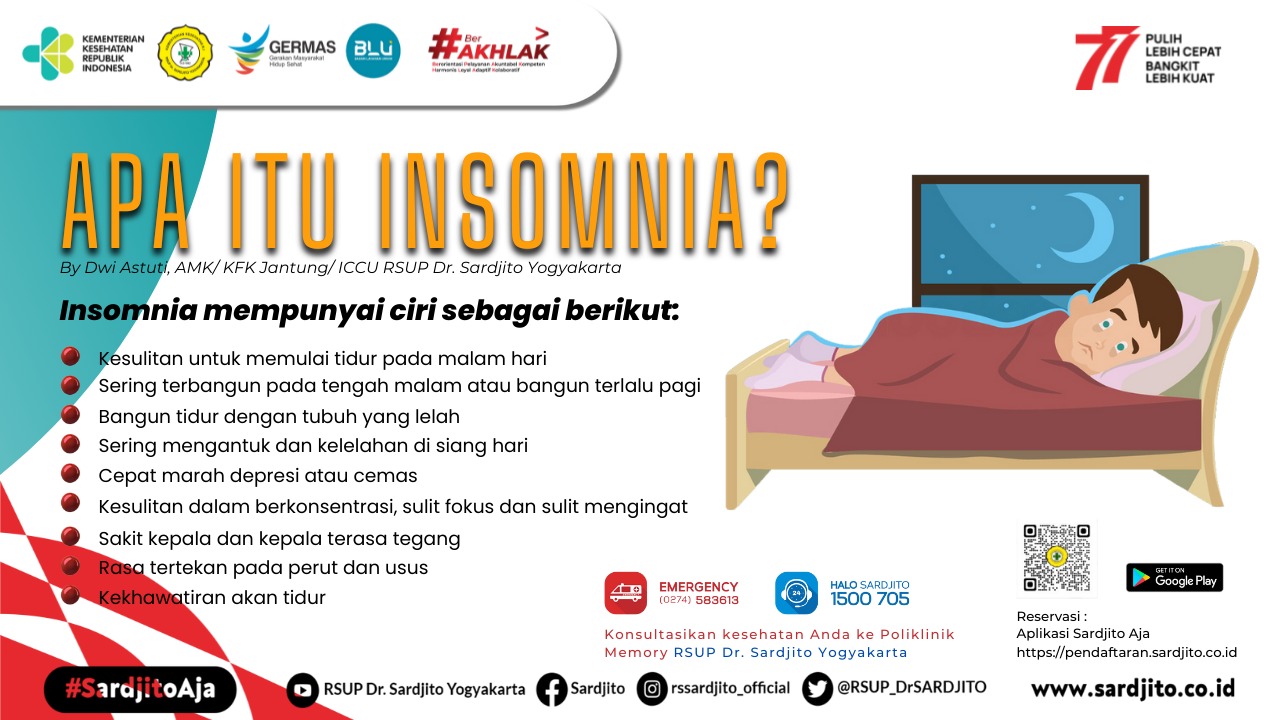
Insomnia is not a singular entity but rather a complex disorder with varying presentations. It can manifest as difficulty initiating sleep (sleep-onset insomnia), frequent awakenings during the night (sleep-maintenance insomnia), or waking up too early in the morning (terminal insomnia). These patterns can be acute, lasting for a few nights or weeks, or chronic, persisting for months or even years.
The origins of insomnia are diverse and often intertwined. Identifying the root causes is crucial for developing targeted interventions.
Psychological Factors: The Mind’s Restless Whispers
Stress, anxiety, and depression are among the most common psychological triggers of insomnia. The relentless churn of worry, the racing thoughts of anxiety, and the pervasive sadness of depression can disrupt the delicate balance of sleep-wake cycles.
Lifestyle Habits: The Silent Saboteurs of Sleep
Our daily habits play a significant role in shaping our sleep patterns. Irregular sleep schedules, excessive caffeine or alcohol consumption, and late-night screen time can all contribute to insomnia.
Medical Conditions: The Physical Disruptors of Rest
Certain medical conditions, such as chronic pain, sleep apnea, restless legs syndrome, and thyroid disorders, can interfere with sleep. Medications, too, can have insomnia as a side effect.

Environmental Factors: The External Distractions
An uncomfortable sleep environment, including excessive noise, light, or temperature fluctuations, can disrupt sleep. Travel across time zones, leading to jet lag, can also throw off the body’s natural circadian rhythm.
Circadian Rhythm Disorders: The Internal Clock Out of Sync
The body’s internal clock, or circadian rhythm, regulates sleep-wake cycles. Disruptions to this rhythm, such as shift work or delayed sleep-wake phase disorder, can lead to chronic insomnia.
Insomnia manifests in various ways, impacting both sleep quality and daytime functioning.
Difficulty Falling Asleep:
This is a hallmark symptom of sleep-onset insomnia, where individuals struggle to drift off to sleep despite feeling tired.
Frequent Nighttime Awakenings:
Sleep-maintenance insomnia is characterized by repeated awakenings throughout the night, making it difficult to achieve sustained sleep.
Early Morning Awakenings:
Terminal insomnia involves waking up too early in the morning and being unable to fall back asleep.
Daytime Fatigue and Sleepiness:
The lack of restorative sleep leads to daytime fatigue, irritability, difficulty concentrating, and impaired cognitive function.
Difficulty Concentrating and Impaired Memory:
Insomnia can significantly affect cognitive abilities, making it challenging to focus, remember information, and make decisions.
Irritability and Mood Swings:
Sleep deprivation can negatively impact mood, leading to increased irritability, anxiety, and depression.
Increased Risk of Accidents:
Daytime sleepiness can increase the risk of accidents, particularly while driving or operating machinery.
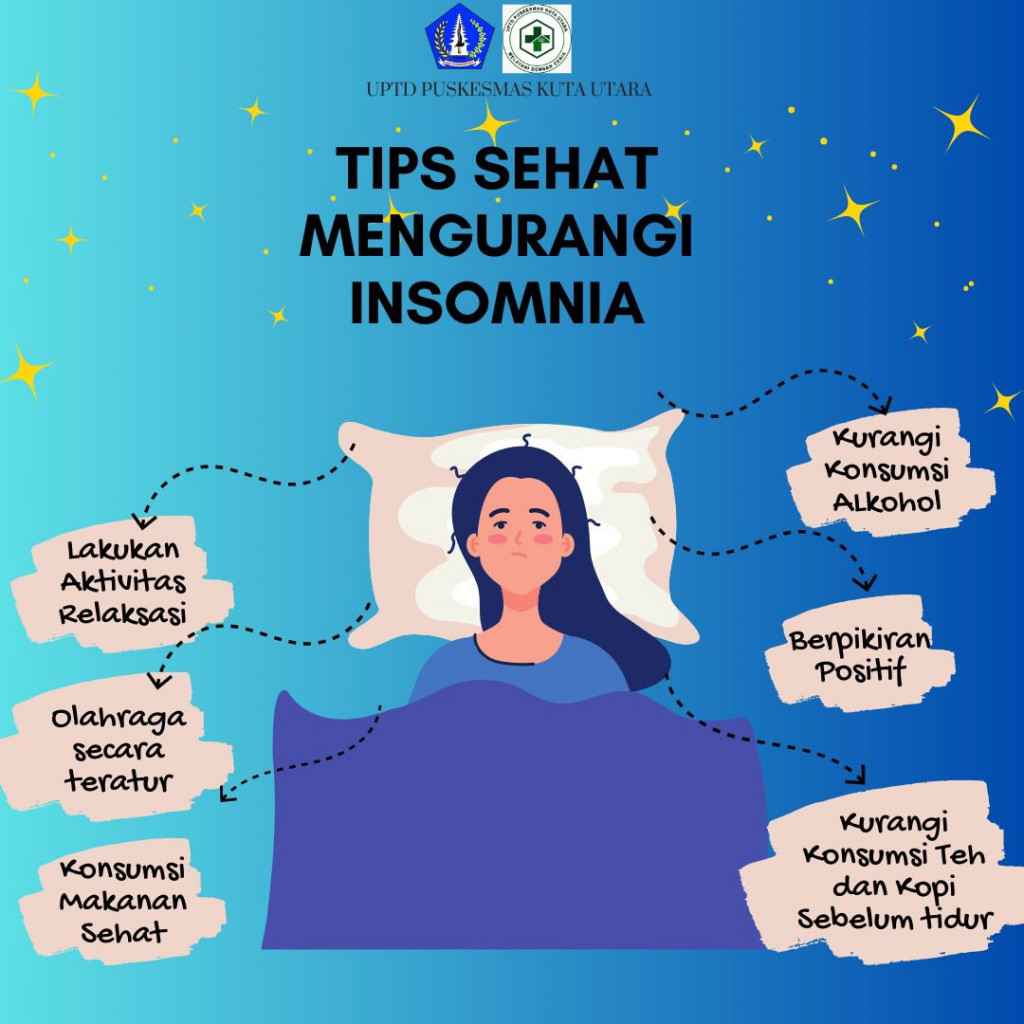
Addressing insomnia requires a multifaceted approach that combines lifestyle modifications, behavioral therapies, and, in some cases, medication.
Establishing a Consistent Sleep Schedule:
Going to bed and waking up at the same time every day, even on weekends, helps regulate the body’s circadian rhythm.
Creating a Relaxing Bedtime Routine:
Engaging in calming activities before bed, such as taking a warm bath, reading a book, or listening to soothing music, can promote relaxation and prepare the body for sleep.
Optimizing the Sleep Environment:
Ensuring a dark, quiet, and cool bedroom is essential for restful sleep. Invest in blackout curtains, earplugs, or a white noise machine if necessary.
Practicing Good Sleep Hygiene:
Avoid caffeine and alcohol before bed, limit screen time in the evening, and create a comfortable sleep environment.
Cognitive Behavioral Therapy for Insomnia (CBT-I):
CBT-I is a highly effective therapy that helps individuals identify and change negative thoughts and behaviors that contribute to insomnia. It includes techniques such as sleep restriction, stimulus control, and relaxation training.
Relaxation Techniques:
Practicing relaxation techniques, such as deep breathing, progressive muscle relaxation, or meditation, can help calm the mind and body before sleep.
Light Therapy:
Exposure to bright light in the morning can help regulate the circadian rhythm and improve sleep quality, particularly for individuals with delayed sleep-wake phase disorder.
Medications:
In some cases, medication may be necessary to manage insomnia. However, medications should be used cautiously and under the guidance of a healthcare professional.
Addressing Underlying Medical Conditions:
If insomnia is caused by an underlying medical condition, treating the condition can improve sleep quality.
Maintaining a Healthy Lifestyle:
Regular exercise, a balanced diet, and stress management techniques can contribute to better sleep.
If you are experiencing persistent insomnia, it is essential to seek professional help. A healthcare provider can evaluate your symptoms, identify any underlying causes, and recommend appropriate treatment options.
Insomnia is a pervasive problem that can significantly impact health and well-being. By understanding the causes, recognizing the symptoms, and implementing effective strategies, individuals can reclaim the power of restful sleep and improve their overall quality of life. Prioritizing sleep is an investment in your physical and mental health, paving the way for a more vibrant and fulfilling life.


