
So you’ve got the bike, the helmet, the jacket, and the open road calling your name. But before you twist the throttle and ride off into the sunset, there’s one more crucial piece of the puzzle: motorcycle insurance. Now, I know what you’re thinking. “Insurance? That’s the boring stuff.” But trust me, it’s also the smart stuff, the stuff that keeps your wallet and your peace of mind intact.
Think of motorcycle insurance not as a burden, but as your safety net. It’s the thing that stands between you and a financial nightmare if something goes wrong. And let’s face it, on two wheels, things can go wrong in a heartbeat. From a fender bender with a distracted driver to a simple tip-over in the garage, the unexpected is always a possibility. This article will break down everything you need to know about motorcycle insurance in a way that’s easy to understand, so you can make an informed decision and get back to what you love—riding.
# Why Is Motorcycle Insurance a Big Deal?
First and foremost, in most places, motorcycle insurance is a legal requirement. Just like with a car, you can’t legally register or ride your bike without at least a minimum level of liability coverage. Getting caught without it can lead to hefty fines, license suspension, or even impoundment of your bike. It’s simply not worth the risk.
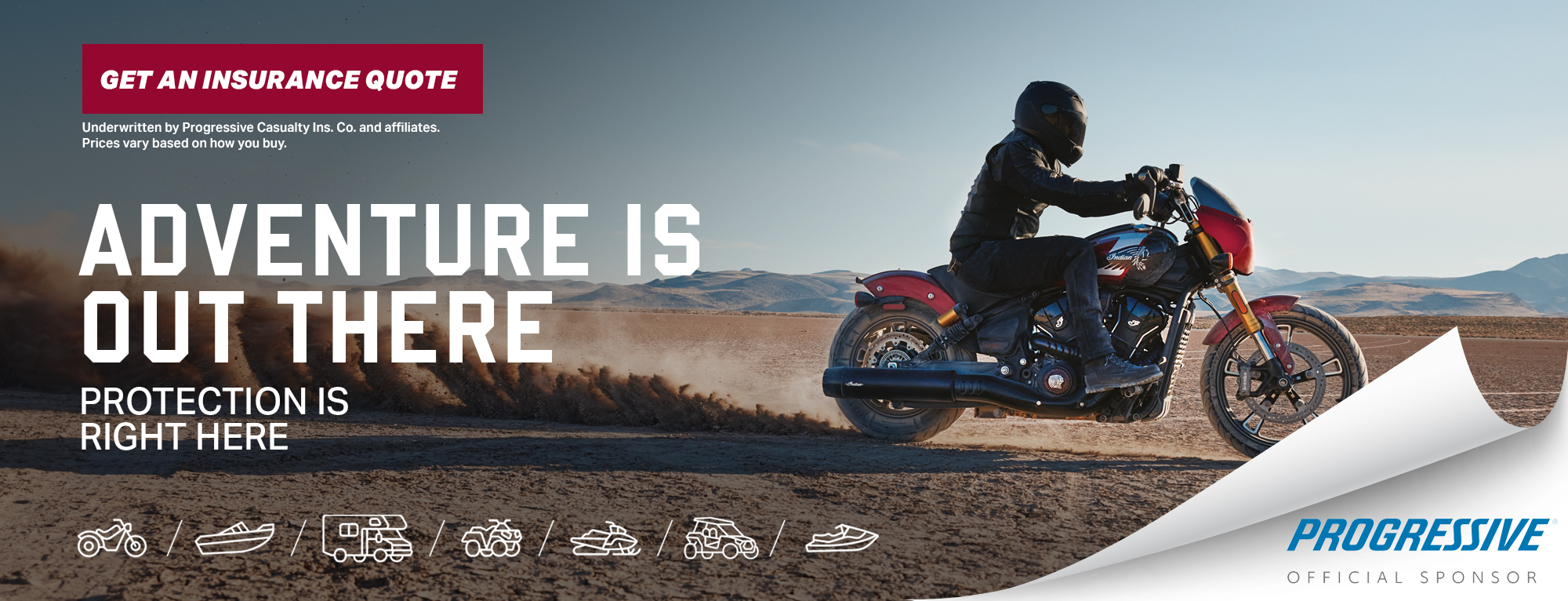
Beyond the legal stuff, though, insurance is a financial shield. Imagine you’re at fault in an accident. The damage to the other person’s vehicle could be thousands of dollars. And what if they’re injured? Medical bills can skyrocket into the tens or even hundreds of thousands. Without insurance, all of those costs fall squarely on your shoulders. That’s a debt that could take years, even a lifetime, to pay off. A good insurance policy, however, will cover those costs, protecting your savings, your property, and your future.
# Understanding the Main Types of Coverage
Navigating the different types of motorcycle insurance can feel a bit like reading a foreign language. But once you break it down, it’s not so complicated. Here are the main types of coverage you’ll likely see:
1. Liability Coverage: This is the most basic and usually legally required type of insurance. It’s a two-parter:
– Bodily Injury Liability: This pays for the medical expenses and lost wages of others if you cause an accident.
– Property Damage Liability: This covers the cost to repair or replace another person’s property (like their car, a fence, or a mailbox) if you’re at fault.
2. Collision Coverage: This is what you need for your own bike. If you get into an accident with another vehicle or object (or even a stationary object like a telephone pole), collision coverage will pay to repair or replace your motorcycle, minus your deductible. This is a big one, especially if you have a newer, more expensive bike.
3. Comprehensive Coverage: Think of this as your “everything else” coverage. It protects your bike from things that aren’t collisions. We’re talking about theft, vandalism, fire, hail, and even hitting an animal. If a tree branch falls on your bike during a storm, comprehensive coverage has your back.
4. Uninsured/Underinsured Motorist Coverage: This is a seriously important one. What happens if you get hit by a driver who has no insurance at all, or not enough to cover your damages and medical bills? This coverage steps in to pay for your expenses, saving you from a financial hit caused by someone else’s irresponsibility.
5. Medical Payments Coverage: This pays for your medical expenses and funeral costs, regardless of who is at fault in an accident. It’s a great option for riders who might have high deductibles on their health insurance or no health insurance at all.
6. Custom Parts and Equipment Coverage: If you’ve spent extra cash on custom paint jobs, chrome, a new exhaust, or other modifications, standard policies might not cover them. This specialized coverage ensures your custom work is protected.
# Factors That Affect Your Premium
Your insurance premium—the amount you pay for your policy—isn’t just a random number. Insurers look at a bunch of different factors to determine your risk level. Understanding these can help you figure out how to lower your costs.
Your Riding History: A clean riding record with no accidents or moving violations is your best friend. The fewer claims you’ve made, the better.
# How to Get the Best Deal
Now for the good part: how to save money on your motorcycle insurance.
Shop Around: This is the golden rule. Get quotes from multiple insurance companies. Don’t just go with the first one you see. Every company has different pricing models, and you might find a much better deal elsewhere.
# The Final Word
Getting on a motorcycle is about freedom and the thrill of the ride. But that freedom comes with responsibility. Motorcycle insurance is not just a legal obligation; it’s a critical part of being a responsible rider. It’s the difference between a minor setback and a financial catastrophe.
:max_bytes(150000):strip_icc()/Life-Insurance-a8aee8e3024145a8b454ea19df030418.png?resize=200,135&ssl=1 "A Guide To Understanding Life Insurance")

:max_bytes(150000):strip_icc()/GettyImages-1328171458-5b2c06f6aaf241388c8718208fb65540.jpg?resize=200,135&ssl=1 "Your Guide To Understanding Car Insurance")
