Navigating the Labyrinth of Respiratory Infections
Respiratory infections, a common affliction across all age groups, encompass a broad spectrum of illnesses affecting the airways and lungs. From the mild inconvenience of the common cold to the life-threatening severity of pneumonia, these infections pose a significant burden on global health. This comprehensive exploration delves into the diverse landscape of respiratory infections, examining their causes, symptoms, diagnosis, treatment, and prevention.
Understanding the Respiratory System
To grasp the complexities of respiratory infections, it’s essential to understand the basic anatomy and function of the respiratory system. This system, responsible for gas exchange, comprises the upper respiratory tract (nose, sinuses, pharynx, and larynx) and the lower respiratory tract (trachea, bronchi, bronchioles, and alveoli). Infections can target any part of this intricate network, leading to a variety of clinical manifestations.
Respiratory infections are primarily caused by viruses, bacteria, and fungi.
Viral Infections
Viruses are the most common culprits, responsible for a multitude of respiratory illnesses.
Respiratory Infections: Types, Prevention, and Treatment
Rhinoviruses: These are the primary cause of the common cold, characterized by nasal congestion, runny nose, sore throat, and cough.
Influenza Viruses (Influenza A, B, and C): Influenza, or the flu, presents with fever, chills, muscle aches, fatigue, and respiratory symptoms.
Respiratory Syncytial Virus (RSV): RSV is a major cause of lower respiratory tract infections in infants and young children, potentially leading to bronchiolitis and pneumonia.
Adenoviruses: Adenoviruses can cause a range of respiratory illnesses, from mild colds to more severe pneumonia and bronchitis.
Coronaviruses (including SARS-CoV-2): This family of viruses causes a variety of illnesses, from the common cold to severe acute respiratory syndrome (SARS) and COVID-19, characterized by a wide range of respiratory symptoms and potential complications.
Parainfluenza Viruses: These viruses are a common cause of croup in children, characterized by a barking cough and stridor.
Bacterial Infections
While less frequent than viral infections, bacteria can also cause significant respiratory illnesses.
Streptococcus pneumoniae: This bacterium is a leading cause of pneumonia, meningitis, and ear infections.
Haemophilus influenzae: Once a major cause of childhood meningitis, vaccines have significantly reduced its prevalence. It can also cause pneumonia and other respiratory infections.
Mycoplasma pneumoniae: This bacterium causes “walking pneumonia,” a milder form of pneumonia characterized by persistent cough and fatigue.
Bordetella pertussis: This bacterium causes pertussis, or whooping cough, characterized by severe coughing fits followed by a “whooping” sound.
Chlamydophila pneumoniae: This bacterium can cause pneumonia, bronchitis, and sinusitis.
Upper Respiratory Infection (URI): Symptoms, Treatment, and More
Fungal Infections
Fungal infections are less common but can be severe, especially in individuals with weakened immune systems.
Aspergillus species: These fungi can cause aspergillosis, a lung infection that can range from mild to life-threatening.
Pneumocystis jirovecii: This fungus causes Pneumocystis pneumonia (PCP), a serious infection that primarily affects individuals with compromised immune systems.
Histoplasma capsulatum: this fungus causes histoplasmosis, a respiratory infection that is usually aquired by inhaling fungal spores.
Symptoms of Respiratory Infections
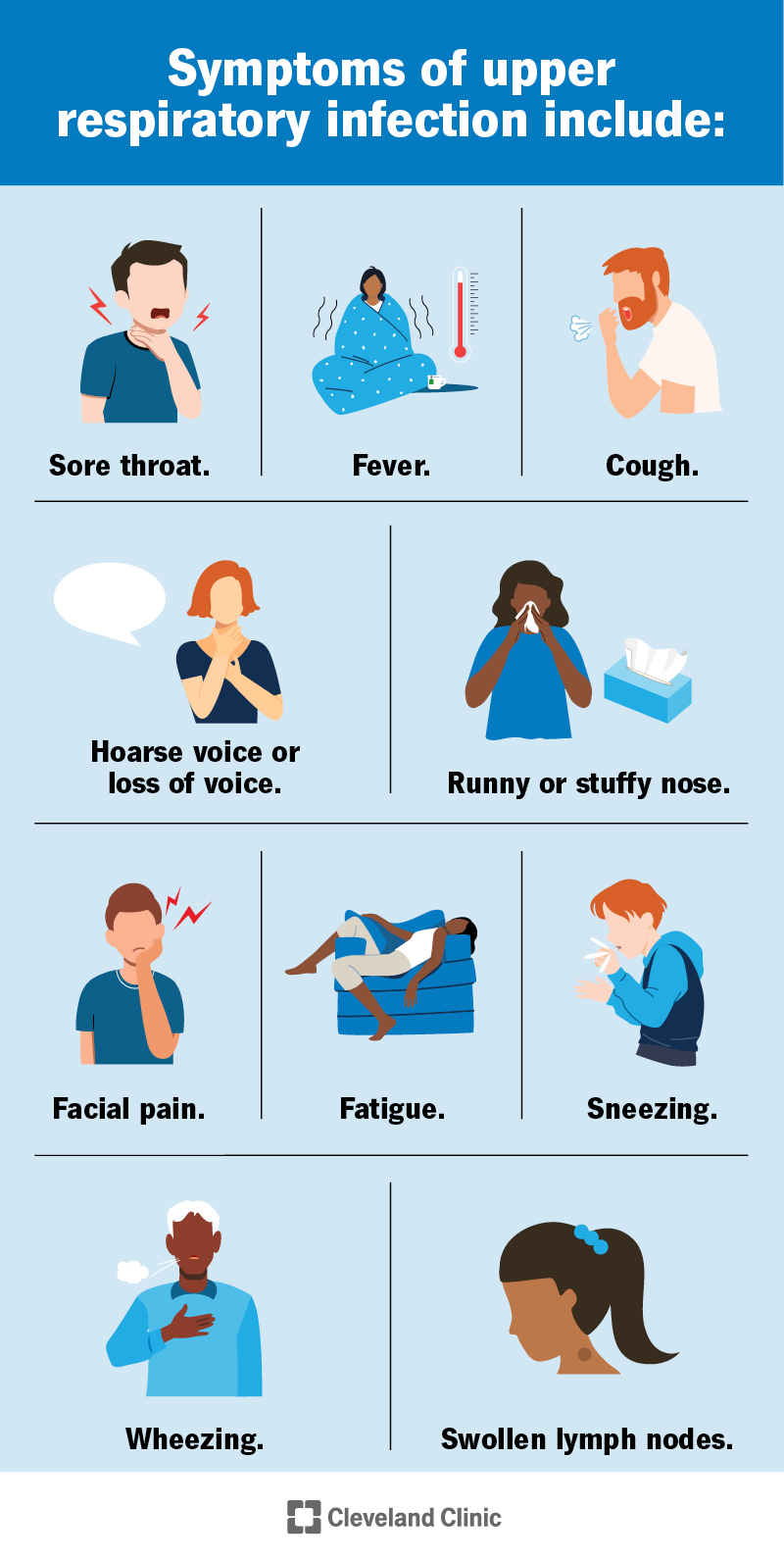
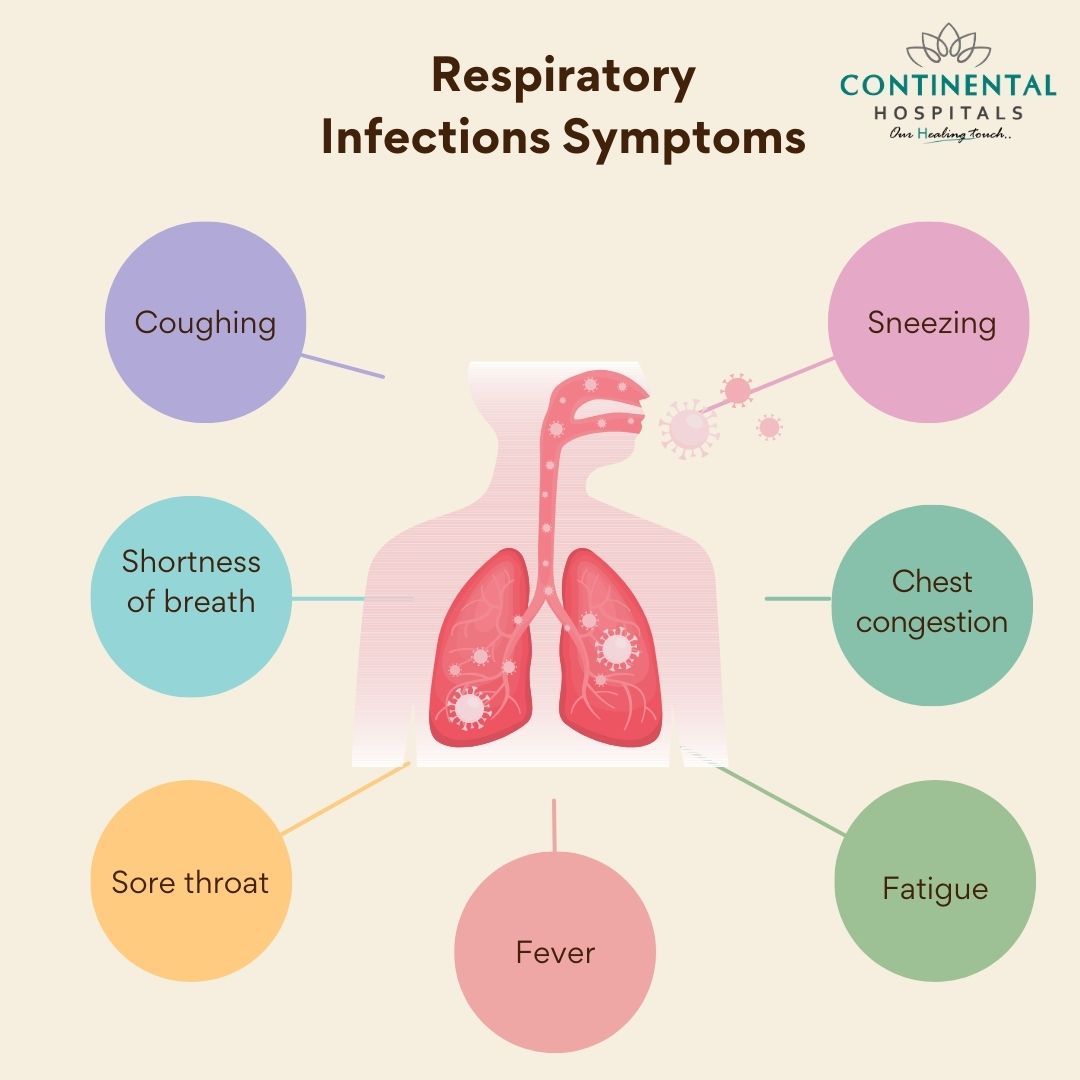
Symptoms vary depending on the causative agent and the affected area of the respiratory tract. Common symptoms include:
Cough (dry or productive)
Sore throat
Runny or congested nose
Sneezing
Fever
Chills
Muscle aches
Fatigue
Shortness of breath
Chest pain
Wheezing
Diagnosis of Respiratory Infections
Diagnosis involves a combination of clinical evaluation, laboratory tests, and imaging studies.
Clinical Evaluation: A thorough medical history and physical examination are essential for assessing symptoms and identifying potential causes.
Laboratory Tests:
Viral Testing: Nasal swabs or sputum samples can be tested for specific viruses using rapid antigen tests or polymerase chain reaction (PCR).
Bacterial Testing: Sputum cultures or blood tests can identify bacterial pathogens.
Blood Tests: Complete blood count (CBC) can reveal signs of infection.
Imaging Studies:
Chest X-ray: This can detect pneumonia, bronchitis, or other lung abnormalities.
CT Scan: A CT scan provides more detailed images of the lungs and can be useful for diagnosing complex cases.
Treatment of Respiratory Infections
Treatment depends on the cause and severity of the infection.
Viral Infections: Most viral infections resolve on their own with supportive care, including rest, fluids, and over-the-counter medications to relieve symptoms. Antiviral medications may be prescribed for specific viruses, such as influenza.
Bacterial Infections: Bacterial infections are treated with antibiotics. The choice of antibiotic depends on the identified bacteria and its susceptibility.
Fungal Infections: Antifungal medications are used to treat fungal infections.
Supportive Care: Regardless of the cause, supportive care is crucial for managing symptoms and promoting recovery. This may include:
Rest
Hydration
Pain relievers
Cough suppressants
Decongestants
Supplemental Oxygen in severe cases.
Prevention of Respiratory Infections
Prevention is crucial for minimizing the burden of respiratory infections.
Vaccination: Vaccines are available for influenza, pneumonia, pertussis, and other respiratory infections.
Hand Hygiene: Frequent handwashing with soap and water or using alcohol-based hand sanitizer can prevent the spread of germs.
Respiratory Etiquette: Covering the mouth and nose when coughing or sneezing can help prevent the spread of respiratory droplets.
Avoiding Close Contact: Staying away from sick individuals can reduce the risk of infection.
Maintaining a Healthy Lifestyle: A healthy diet, regular exercise, and adequate sleep can strengthen the immune system.
Avoiding Smoking: Smoking damages the respiratory system and increases the risk of infection.
Air quality: avoiding or limiting exposure to polluted air, including smoke, and dust can help reduce respiratory problems.
Mask wearing: During times of high transmission of contagious respiratory illnesses, wearing a mask can aid in prevention.
Complications
Respiratory infections can lead to serious complications, particularly in vulnerable populations, such as infants, elderly individuals, and those with underlying health conditions. Possible complications include:
Pneumonia
Bronchitis
Sinusitis
Ear infections
Acute respiratory distress syndrome (ARDS)
Sepsis
Conclusion
Respiratory infections remain a significant public health concern. Understanding their causes, symptoms, diagnosis, treatment, and prevention is essential for mitigating their impact. By practicing good hygiene, staying up-to-date on vaccinations, and seeking medical attention when necessary, individuals can protect themselves and their communities from these common illnesses.

:max_bytes(150000):strip_icc()/upper-respiratory-infection-overview-4582263-5c7016c2c9e77c000149e4ae.png "image.title")


