
Navigating the Dry Cough Landscape: A Comprehensive Guide to Relief
A dry cough, that persistent, tickling irritation in your throat, can be incredibly disruptive. Unlike a wet cough, which expels mucus, a dry cough produces little to no phlegm, often leaving you feeling raw and uncomfortable. Understanding the causes and available remedies is crucial for finding effective relief. This article delves into the intricacies of dry coughs, exploring their origins, various treatment options, and preventative measures.
A dry cough isn’t a disease itself but rather a symptom of an underlying issue. Pinpointing the cause is the first step towards effective treatment.
1. Viral Infections: The Common Cold and Flu
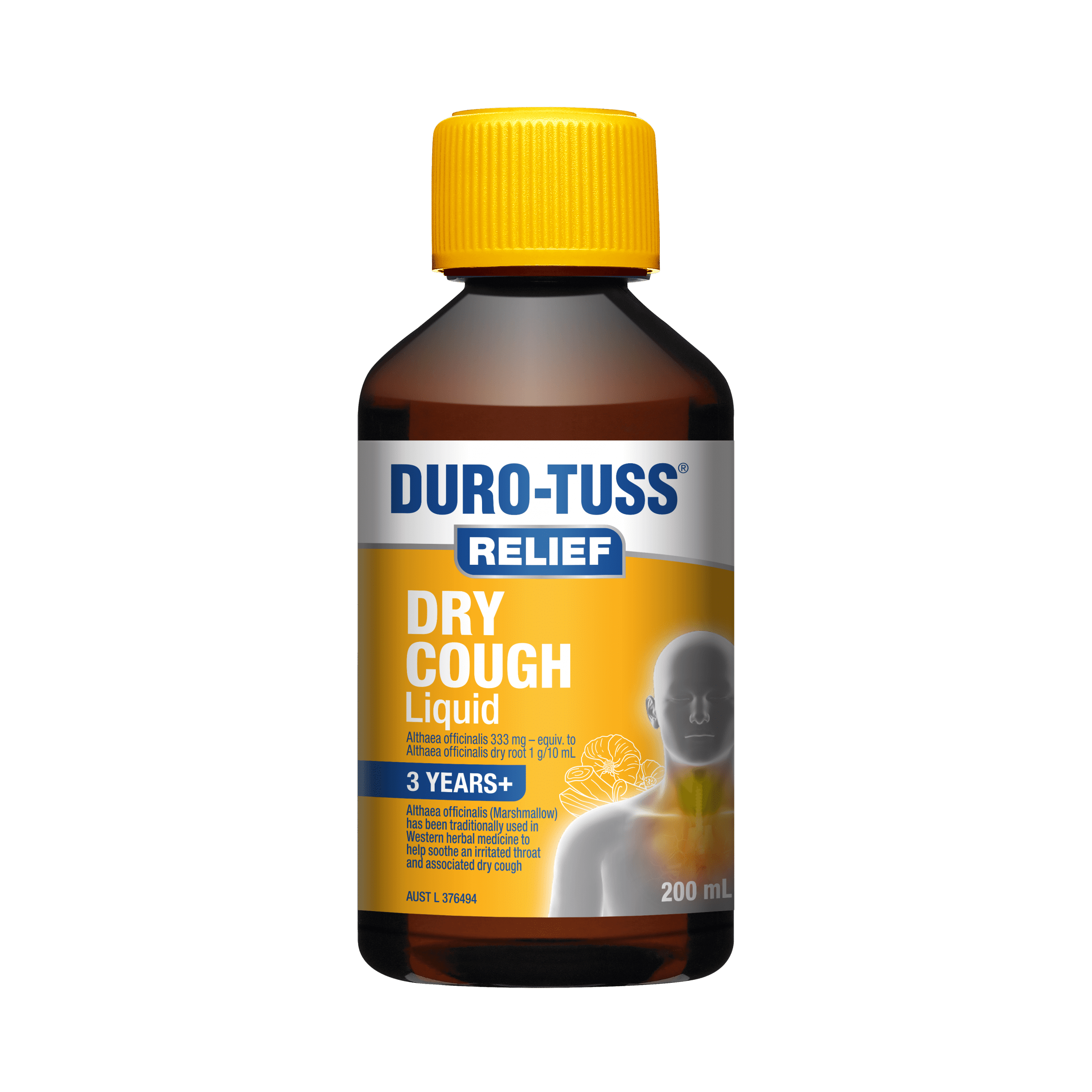
Viral infections, such as the common cold and influenza, are frequent culprits. The inflammation caused by these viruses irritates the airways, triggering a persistent dry cough. This cough can linger even after other symptoms subside, sometimes lasting for weeks.
2. Environmental Irritants: Allergies and Pollution
Exposure to environmental irritants like dust, pollen, pet dander, mold, and air pollution can trigger allergic reactions or irritate the respiratory tract, leading to a dry cough. Smoke, whether from cigarettes or wildfires, is another significant irritant.
3. Asthma: Airway Inflammation
Asthma, a chronic respiratory condition, causes inflammation and narrowing of the airways. A dry cough, often accompanied by wheezing and shortness of breath, is a common symptom.
4. Gastroesophageal Reflux Disease (GERD): Acid Reflux
GERD occurs when stomach acid flows back into the esophagus, irritating the lining and sometimes reaching the throat and airways. This can lead to a chronic dry cough, particularly at night.
5. Certain Medications: Side Effects
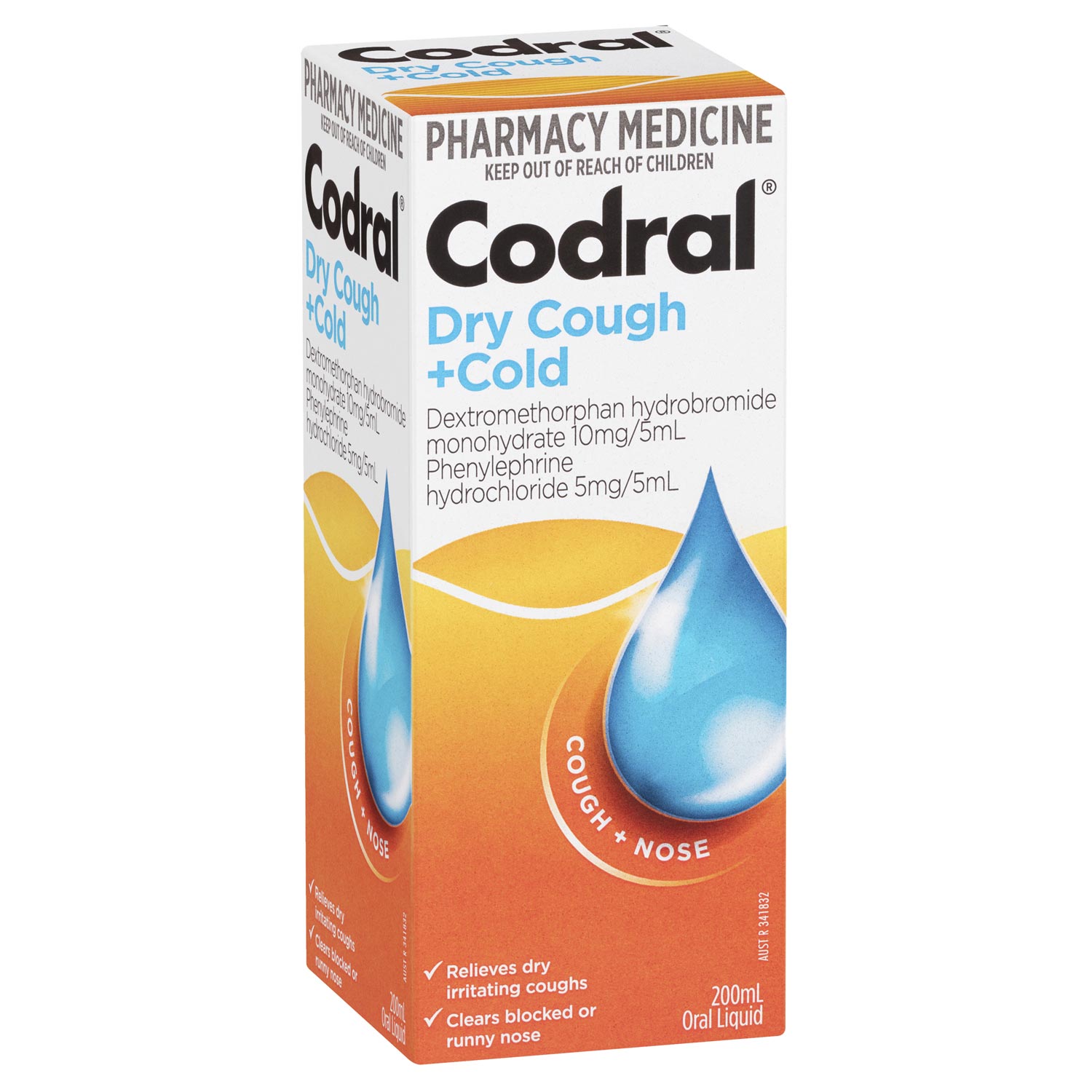
Some medications, such as ACE inhibitors (used to treat high blood pressure), can cause a dry cough as a side effect. If you suspect your medication is the culprit, consult your doctor.
6. Postnasal Drip: Mucus Irritation
Postnasal drip, where excess mucus drips down the back of the throat, can irritate the airways and trigger a dry cough. This is often associated with allergies, sinus infections, or colds.
7. Chronic Bronchitis: Long-Term Inflammation
Chronic bronchitis, a form of chronic obstructive pulmonary disease (COPD), causes long-term inflammation of the bronchial tubes, leading to a persistent dry cough, often accompanied by wheezing and shortness of breath.
8. Whooping Cough (Pertussis): Bacterial Infection
Whooping cough, a highly contagious bacterial infection, causes severe coughing fits followed by a “whooping” sound during inhalation.
9. Laryngitis: Vocal Cord Inflammation

Inflammation of the vocal cords, often due to viral infections or overuse, can result in a dry cough, hoarseness, and difficulty speaking.
10. Less Common Causes: Serious Conditions
In rare cases, a persistent dry cough can be a symptom of more serious conditions, such as lung cancer, interstitial lung disease, or heart failure. If your cough is severe, persistent, or accompanied by other concerning symptoms, seek medical attention.
Several over-the-counter (OTC) medications and home remedies can help soothe a dry cough.
1. Cough Suppressants (Antitussives): Dampening the Cough Reflex
Cough suppressants, such as dextromethorphan, work by blocking the cough reflex. They are best for dry coughs that interfere with sleep or daily activities. However, they should not be used for wet coughs, as they can prevent the expulsion of mucus.
2. Lozenges and Hard Candies: Soothing Irritation
Lozenges and hard candies can stimulate saliva production, which helps moisten the throat and soothe irritation. Look for sugar-free options to protect your teeth.
3. Honey: Natural Cough Suppressant
Honey has been shown to be effective in relieving coughs, particularly in children. It coats the throat and has anti-inflammatory properties. A spoonful of honey or honey mixed with warm water or tea can provide relief. Note: Do not give honey to children under one year old.
4. Hydration: Keeping the Throat Moist
Staying well-hydrated is crucial. Drinking plenty of fluids, such as water, herbal tea, and clear broths, helps keep the throat moist and reduces irritation.
5. Humidifier: Adding Moisture to the Air
A humidifier can add moisture to the air, which can help soothe a dry cough. Cool mist humidifiers are generally recommended.
6. Steam Inhalation: Opening Airways
Inhaling steam can help loosen mucus and soothe irritated airways. Add a few drops of essential oils, such as eucalyptus or peppermint, to the water for added relief. Caution: Be careful to avoid burns from hot water or steam.
7. Gargling with Salt Water: Reducing Inflammation
Gargling with warm salt water can help reduce inflammation and soothe a sore throat. Dissolve half a teaspoon of salt in a glass of warm water and gargle several times a day.
8. Elevating the Head: Reducing Reflux
If GERD is suspected, elevating the head of the bed can help reduce acid reflux and alleviate a nighttime cough.
9. Avoiding Irritants: Minimizing Exposure
Identifying and avoiding triggers, such as smoke, dust, and allergens, can help prevent dry coughs.
While many dry coughs resolve on their own with home remedies, it’s essential to seek medical attention if you experience:
1. Persistent Cough: Lasting More Than Two Weeks
A cough that lasts for more than two weeks warrants a visit to the doctor.
2. Severe Symptoms: Difficulty Breathing, Chest Pain, or High Fever
Difficulty breathing, chest pain, coughing up blood, or a high fever are signs of a potentially serious condition.
3. Unexplained Weight Loss: Possible Underlying Condition
Unexplained weight loss accompanied by a persistent cough should be evaluated by a healthcare professional.
4. Weakened Immune System: Increased Risk of Complications
Individuals with weakened immune systems should seek medical attention for any persistent cough.
5. Whooping Cough Symptoms: Contagious Infection
If you suspect whooping cough, seek immediate medical attention as it is highly contagious and can be severe, especially in infants.
Making certain lifestyle adjustments can help prevent dry coughs.
1. Quit Smoking: Eliminating a Major Irritant
Smoking is a major irritant to the respiratory tract. Quitting smoking is one of the best ways to prevent dry coughs.
2. Manage Allergies: Reducing Exposure to Triggers
Identifying and managing allergies can help prevent allergic reactions and subsequent coughs.
3. Practice Good Hygiene: Preventing Infections
Washing your hands frequently and avoiding close contact with sick individuals can help prevent viral infections.
4. Stay Hydrated: Keeping Airways Moist
Maintaining adequate hydration helps keep the airways moist and reduces irritation.
5. Use Air Purifiers: Removing Airborne Irritants
Air purifiers can help remove dust, pollen, and other airborne irritants from the air.
6. Maintain a Healthy Diet: Strengthening Immunity
A healthy diet rich in fruits, vegetables, and whole grains can help strengthen the immune system and reduce susceptibility to infections.
7. Regular Exercise: Improving Lung Function
Regular exercise can help improve lung function and overall respiratory health.
A dry cough can be a frustrating and disruptive symptom. By understanding the potential causes and available remedies, you can take proactive steps to find relief and prevent future occurrences. Remember to consult a healthcare professional if your cough is persistent, severe, or accompanied by other concerning symptoms. With proper care and attention, you can effectively manage dry coughs and improve your overall well-being.


