In today’s fast-paced world, accidents can happen at any time, often when we least expect them. While we can take precautions, we can’t eliminate all risks. This is where personal accident insurance comes in, offering a vital financial safety net. Unlike life or health insurance, this specific type of coverage focuses exclusively on the consequences of an accident, providing a lump-sum payment or other benefits to help you and your family cope with the financial fallout.
What is Personal Accident Insurance?
Personal accident insurance is a policy that pays out a benefit if you suffer an injury, disability, or death as a direct result of an accident. It’s not a substitute for health insurance, but rather a crucial supplement. Think of it this way: your health insurance will cover your hospital bills, but what about the income you lose while you’re recovering? Or the cost of making your home accessible if you become permanently disabled? Personal accident insurance is designed to cover these and other accident-related expenses that traditional health insurance might not.
The coverage typically includes a range of benefits:
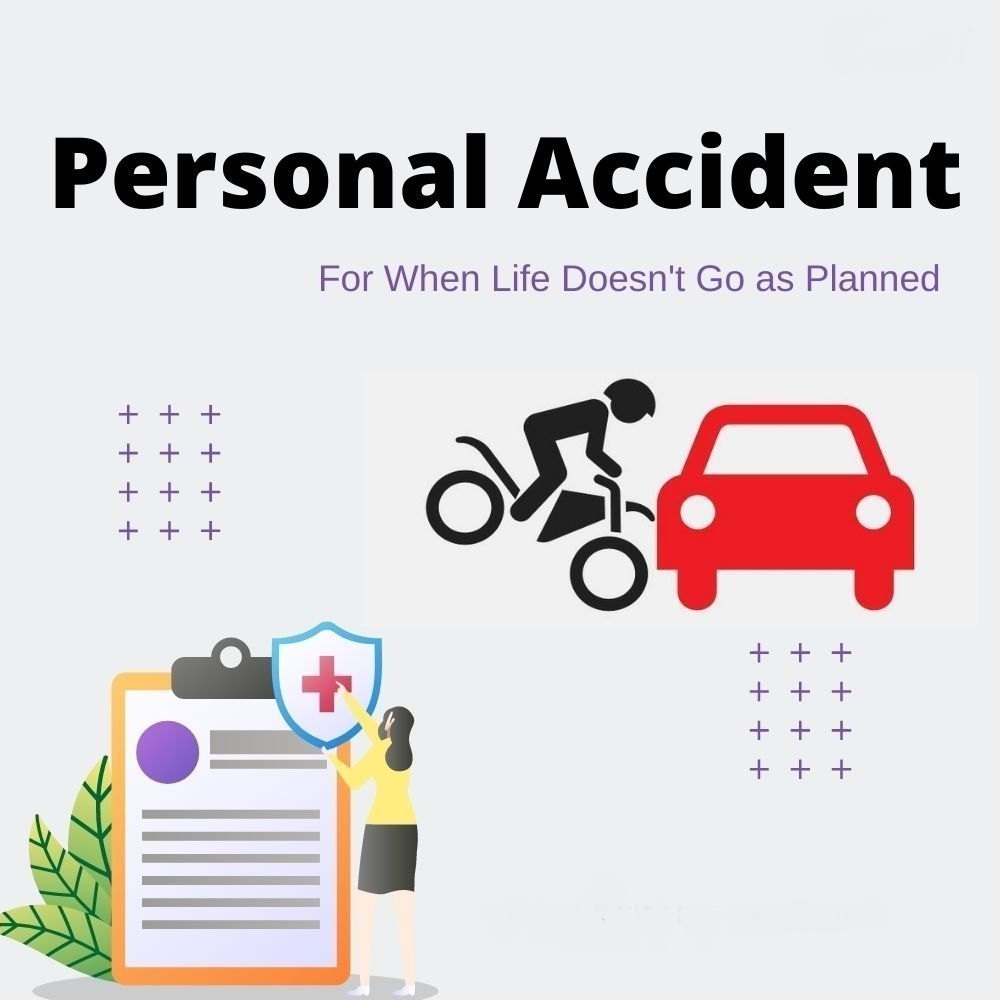
Personal Accident Insurance
Accidental Death: A lump sum is paid to your family if the accident results in your death. This can help cover funeral expenses and provide financial support for your loved ones.
Permanent Total Disability: If an accident leaves you permanently unable to work, the policy pays out a lump sum. This can be a lifeline, helping you manage long-term financial needs.
Permanent Partial Disability: If you lose a limb or a bodily function due to an accident, the policy provides a payout based on the severity of the disability.
Temporary Total Disability: Some policies offer a weekly benefit if you’re temporarily unable to work. This helps replace your lost income during your recovery period.
Medical Expenses: While this is often covered by health insurance, some personal accident policies provide an additional benefit for accident-related medical costs.
Why is Personal Accident Cover Important?
Accidents don’t just cause physical pain; they can also lead to significant financial distress. Even a minor accident can result in a loss of income, medical bills, and other unexpected expenses. A serious accident can have a catastrophic impact, potentially wiping out your savings and jeopardizing your family’s future.
Here’s why personal accident insurance is a smart financial move:
Protection Against Loss of Income: If an accident prevents you from working, your income stops, but your expenses don’t. A personal accident policy can provide a regular income or a lump sum to help you stay afloat.
Covers Non-Medical Expenses: Health insurance is great for medical bills, but it won’t pay for things like home modifications, specialized equipment, or rehabilitation services—all of which can be necessary after a serious accident. A personal accident policy can help cover these costs.
Global Coverage: Many policies offer worldwide coverage, which is a great benefit if you travel frequently. This means you’re protected no matter where an accident happens.
Affordability: Compared to other insurance types, personal accident insurance is often very affordable. The premiums are relatively low, making it an accessible form of protection for most people.
No Medical Check-up Required: In most cases, you can get a personal accident policy without a medical check-up. This makes it easy and quick to get coverage, regardless of your current health status.
How to Choose the Right Personal Accident Policy
When you’re shopping for a personal accident policy, it’s important to look beyond the price. Consider these factors to ensure you’re getting the right coverage for your needs:
Coverage Amount: Make sure the sum insured is sufficient to cover your financial needs in the event of a serious accident. Consider your income, your family’s expenses, and any outstanding debts.
Policy Inclusions and Exclusions: Read the fine print carefully. Understand what the policy covers and, just as importantly, what it doesn’t. Some policies may not cover accidents that occur while participating in high-risk sports, for example.
Rider Options: Many insurers offer additional benefits or “riders” that you can add to your policy for an extra premium. These can include coverage for burns, fractures, or a child’s education in the event of the parent’s death or disability.
Claim Process: Look for an insurer with a simple and quick claim settlement process. A hassle-free experience is crucial when you’re already dealing with the aftermath of an accident.
Insurer’s Reputation: Research the insurer’s reputation and financial stability. Choose a company that is known for its reliability and customer service.

:max_bytes(150000):strip_icc()/Life-Insurance-a8aee8e3024145a8b454ea19df030418.png?resize=200,135&ssl=1 "A Guide To Understanding Life Insurance")

:max_bytes(150000):strip_icc()/GettyImages-1328171458-5b2c06f6aaf241388c8718208fb65540.jpg?resize=200,135&ssl=1 "Your Guide To Understanding Car Insurance")
