
What is Pet insurance?
Pet insurance is like health insurance for your dog, cat, or other pet. It helps cover the costs of veterinary care when your pet gets sick or injured. Instead of paying 100% of a surprise $2,000 emergency vet bill out of your own pocket, your insurance policy would reimburse you for a large portion of it after you’ve paid your deductible. This can be a huge relief, especially for serious conditions or accidents.
How it Works
Typically, pet insurance operates on a reimbursement model. You pay your vet bill upfront, then submit a claim to your insurance company. The company reviews the claim, and if it’s covered by your policy, they’ll reimburse you for a percentage of the costs. This process can be different from human health insurance where the doctor bills the insurance company directly.
Pet insurance policies have a few key components you’ll need to understand:
Why is Pet Insurance a Good Idea?
Veterinary medicine has become incredibly advanced. Vets can now perform complex surgeries, run sophisticated diagnostics like MRIs, and offer cutting-edge treatments that can save your pet’s life. But these procedures come at a cost. A broken bone could cost thousands to fix, and treatments for chronic illnesses like cancer or diabetes can add up to thousands more over your pet’s lifetime. Without insurance, these bills can put a serious strain on your finances or force you to make difficult decisions about your pet’s care.
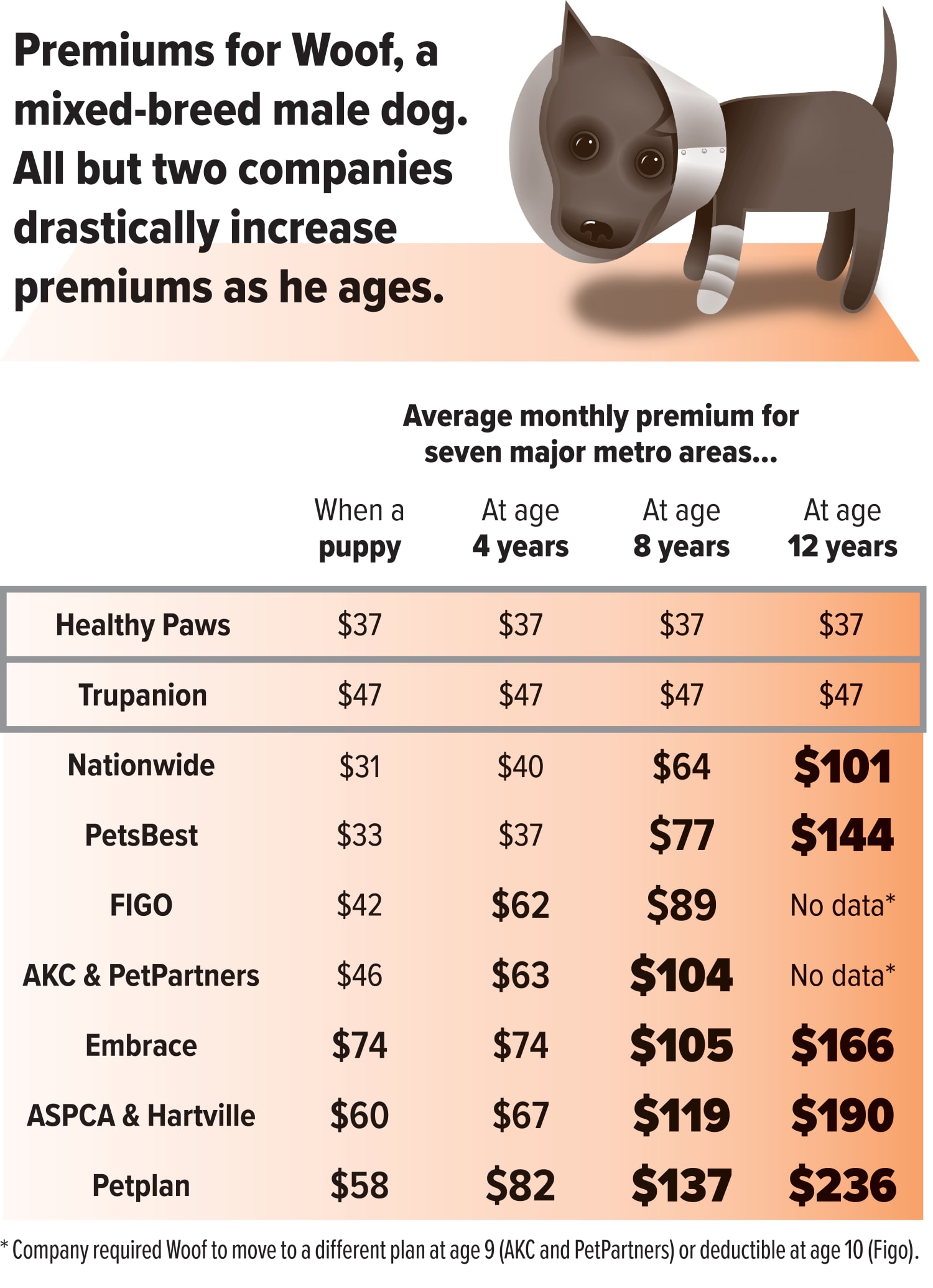
Pet insurance removes that financial barrier. It allows you to focus on getting your pet the best possible treatment, not worrying about whether you can afford it. This is especially important for young pets, as getting them insured early can lock in lower premiums and ensure they’re covered for any future issues that may arise.
What Does Pet Insurance Cover?
Most pet insurance policies are accident and illness plans. These are the most comprehensive and popular types of coverage. They typically cover:
Some policies may also offer add-on coverage for things like preventive care or wellness plans, which can help with routine costs like annual check-ups, vaccinations, and dental cleanings. This is often an optional extra, as a basic accident and illness plan doesn’t cover these routine expenses.
What Pet Insurance Doesn’t Cover
While pet insurance is a lifesaver, it’s crucial to understand its limitations. Most policies do not cover pre-existing conditions. A pre-existing condition is any illness or injury that your pet had before your insurance policy’s waiting period was over. For example, if your dog was diagnosed with an ear infection before you got your policy, future ear infections likely won’t be covered. This is a primary reason to get pet insurance for your pet while they are young and healthy.
Other common exclusions include:
How to Choose the Right Pet Insurance
With so many options, choosing the right pet insurance can feel overwhelming. Here’s a quick guide to help you find the best plan for your pet:
:max_bytes(150000):strip_icc()/Life-Insurance-a8aee8e3024145a8b454ea19df030418.png?resize=200,135&ssl=1 "A Guide To Understanding Life Insurance")

:max_bytes(150000):strip_icc()/GettyImages-1328171458-5b2c06f6aaf241388c8718208fb65540.jpg?resize=200,135&ssl=1 "Your Guide To Understanding Car Insurance")
