
The Intricate Dance of Ovulation: A Comprehensive Guide
Ovulation, the release of a mature egg from the ovary, is a pivotal event in the female reproductive cycle. This complex process, orchestrated by a delicate interplay of hormones, is essential for fertility. Understanding ovulation can empower women to better manage their reproductive health, whether they are trying to conceive, avoiding pregnancy, or simply gaining a deeper understanding of their bodies.
The menstrual cycle, typically lasting around 28 days, is a recurring series of physiological changes that prepare the female body for potential pregnancy. Ovulation occurs roughly midway through this cycle, although the exact timing can vary significantly between individuals and even from cycle to cycle.
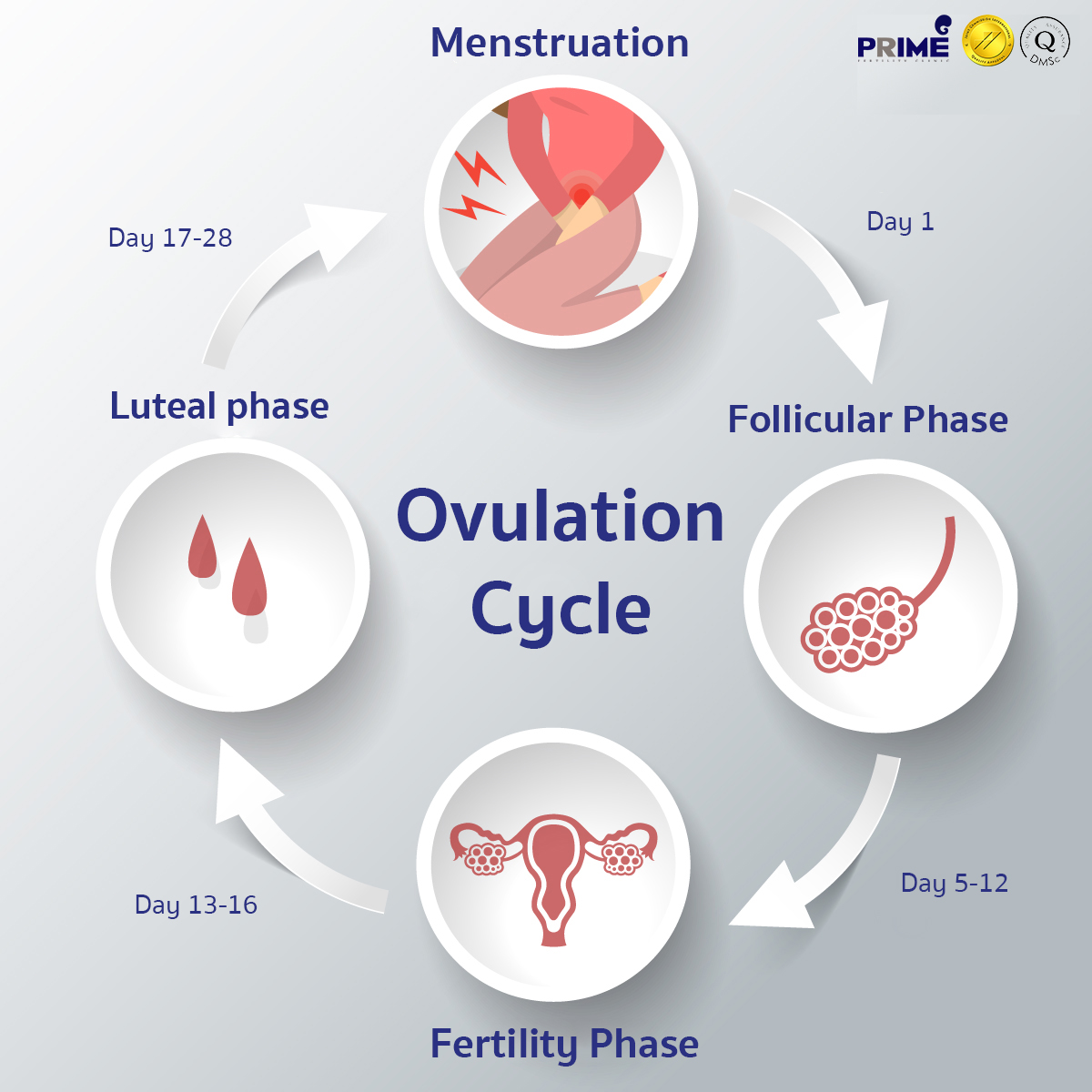
1.1 The Hypothalamic-Pituitary-Ovarian (HPO) Axis
The HPO axis is the central control system of the menstrual cycle. It involves the hypothalamus, pituitary gland, and ovaries, which communicate through a network of hormones.
Gonadotropin-Releasing Hormone (GnRH): The hypothalamus releases GnRH, which stimulates the pituitary gland.
1.2 The Follicular Phase: Building the Stage
The follicular phase, the first half of the menstrual cycle, begins with menstruation and culminates in ovulation.
Follicular Development: FSH stimulates the growth of several follicles in the ovaries, each containing an immature egg. One dominant follicle will eventually emerge, while the others regress.
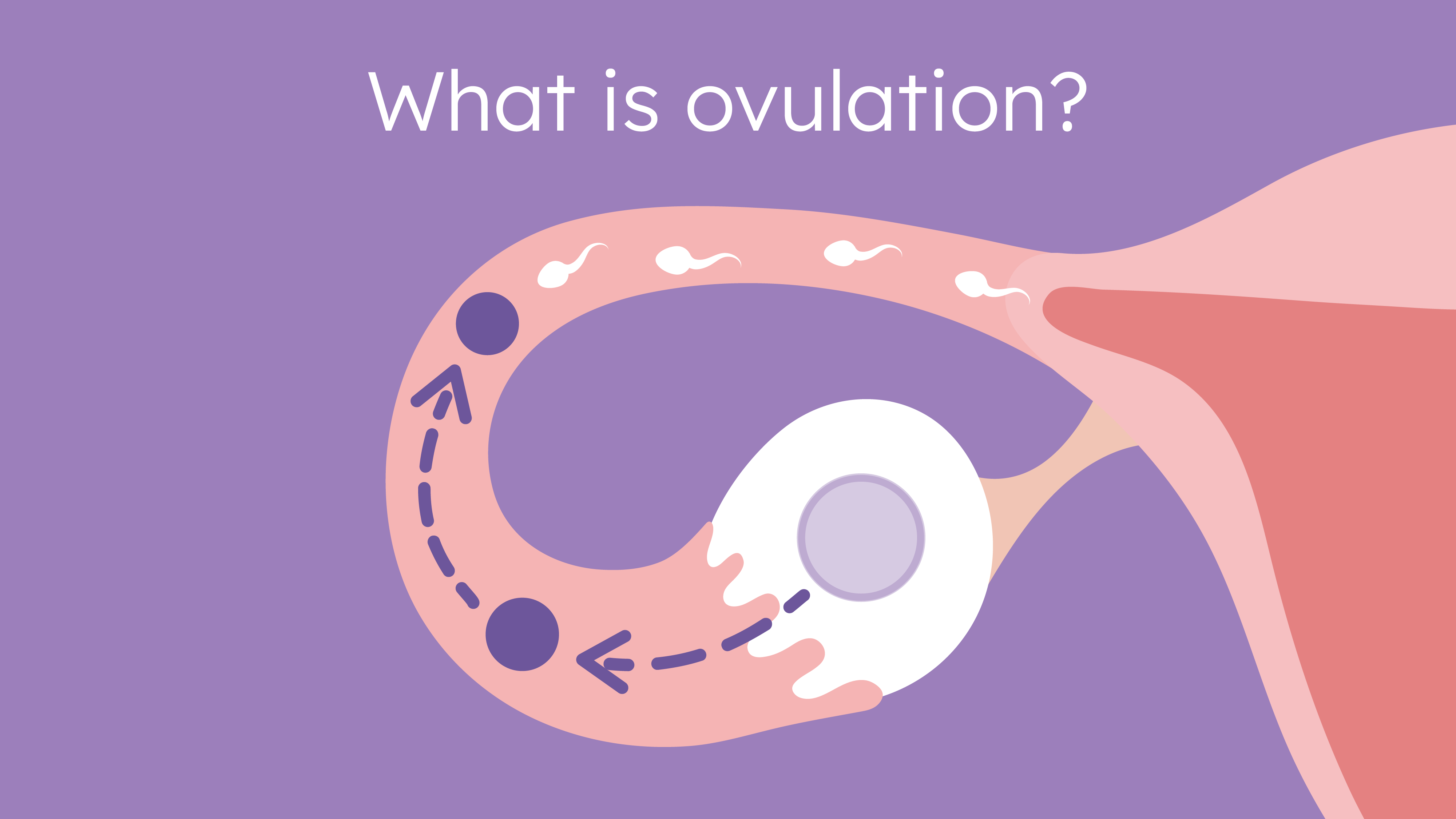
The ovulatory phase, lasting approximately 24-36 hours, is marked by the rupture of the dominant follicle and the release of the mature egg.
2.1 The LH Surge: The Trigger
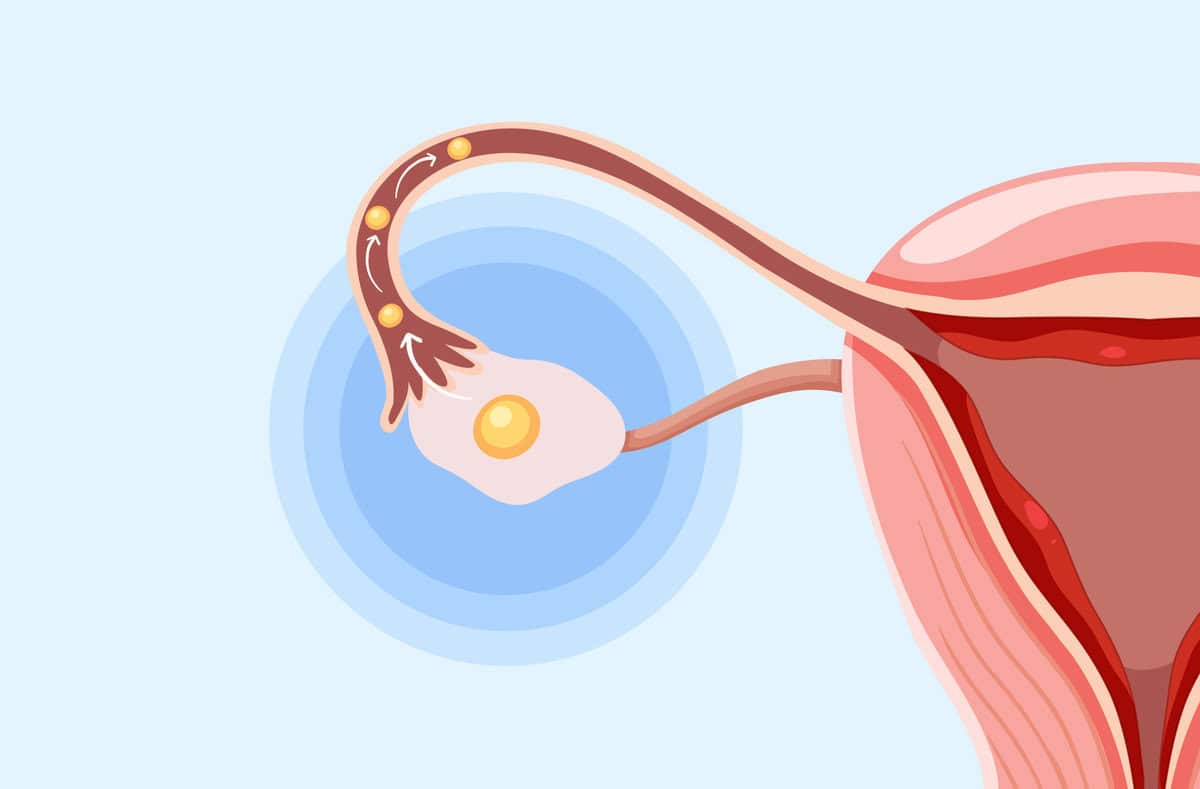
The LH surge, a rapid and dramatic increase in LH levels, is the primary trigger for ovulation. This surge causes the dominant follicle to rupture, releasing the egg.
2.2 Egg Release and Fimbrial Capture
Once released, the egg is swept into the fallopian tube by the fimbriae, finger-like projections at the end of the tube. The egg remains viable for approximately 12-24 hours, during which time it can be fertilized by sperm.
2.3 Potential for Multiple Ovulation
In some cases, multiple follicles may rupture, releasing more than one egg. This can lead to fraternal (dizygotic) twins if both eggs are fertilized.
The luteal phase, the second half of the menstrual cycle, follows ovulation and prepares the body for potential pregnancy.
3.1 Corpus Luteum Formation
After ovulation, the ruptured follicle transforms into the corpus luteum, a temporary endocrine gland.
3.2 Progesterone Production
The corpus luteum produces progesterone, a hormone that maintains the thickened endometrium and prepares it for implantation. Progesterone also raises the basal body temperature.
3.3 Endometrial Preparation and Menstruation
If fertilization does not occur, the corpus luteum degenerates, causing progesterone levels to decline. This triggers the shedding of the endometrium, leading to menstruation and the start of a new cycle. If fertilization occurs, the corpus luteum is maintained by hCG, a hormone produced by the developing embryo.
Identifying ovulation can be helpful for both family planning and understanding one’s body.
4.1 Basal Body Temperature (BBT) Tracking
BBT tracking involves measuring your temperature every morning before getting out of bed. A slight rise in BBT, typically 0.5-1 degree Fahrenheit, indicates ovulation.
4.2 Cervical Mucus Changes
Cervical mucus, the fluid produced by the cervix, changes in consistency throughout the menstrual cycle. Around ovulation, it becomes clear, stretchy, and slippery, resembling egg whites.
4.3 Ovulation Predictor Kits (OPKs)
OPKs detect the LH surge in urine, providing a reliable indication of impending ovulation.
4.4 Mittelschmerz
Mittelschmerz, meaning “middle pain” in German, is a mild, one-sided abdominal pain that some women experience around ovulation.
4.5 Increased Libido
Some women experience an increase in sexual desire around ovulation.
Several factors can influence ovulation, including:
5.1 Age
A woman’s fertility naturally declines with age, as the number and quality of eggs decrease.
5.2 Stress
Chronic stress can disrupt the HPO axis and interfere with ovulation.
5.3 Weight
Being underweight or overweight can affect hormone levels and ovulation.
5.4 Polycystic Ovary Syndrome (PCOS)
PCOS is a hormonal disorder that can cause irregular or absent ovulation.
5.5 Premature Ovarian Insufficiency (POI)
POI, also known as premature menopause, occurs when the ovaries stop functioning before the age of 40.
5.6 Medical Conditions and Medications
Certain medical conditions and medications can affect ovulation.
Understanding ovulation is crucial for optimizing fertility.
6.1 The Fertile Window
The fertile window, the period during which a woman can conceive, includes the days leading up to and including ovulation.
6.2 Timing Intercourse for Conception
Having intercourse during the fertile window significantly increases the chances of conception.
6.3 Fertility Treatments
For women with ovulation problems, fertility treatments such as ovulation induction and in vitro fertilization (IVF) can help.
Some birth control methods, such as hormonal birth control pills, work by preventing ovulation.
7.1 Hormonal Birth Control
Hormonal birth control pills contain synthetic hormones that suppress the LH surge and prevent ovulation.
7.2 Natural Family Planning
Natural family planning methods, such as BBT tracking and cervical mucus monitoring, can help women identify their fertile window and avoid intercourse during that time.
Beyond fertility, ovulation plays a role in overall health.
8.1 Hormonal Balance
Regular ovulation contributes to hormonal balance and overall well-being.
8.2 Menstrual Cycle Regulation
Ovulation is essential for a regular menstrual cycle.
8.3 Bone Health
Estrogen, produced during the follicular phase, plays a role in bone health.
Ovulation is a fundamental process in female reproductive health. By understanding the intricate dance of hormones and the various signs and symptoms of ovulation, women can gain valuable insights into their bodies and make informed decisions about their fertility and overall well-being. Whether planning for pregnancy, managing fertility, or simply seeking to deepen self-knowledge, a thorough understanding of ovulation is an empowering tool.


