
The Liver Cleanse: A Deep Dive into Detoxification and health
The liver, a powerhouse organ weighing approximately three pounds, plays a crucial role in maintaining overall health. It acts as the body’s primary detoxification center, filtering blood, processing nutrients, and storing essential vitamins and minerals. In today’s world, where we are exposed to a myriad of toxins from processed foods, environmental pollutants, and stress, the concept of a liver cleanse has gained significant traction. But what exactly is a liver cleanse, and is it a safe and effective way to support liver health? This article delves into the intricacies of liver cleansing, exploring its potential benefits, risks, and practical approaches.
Before exploring cleansing methods, it’s essential to understand the liver’s diverse functions:
Detoxification
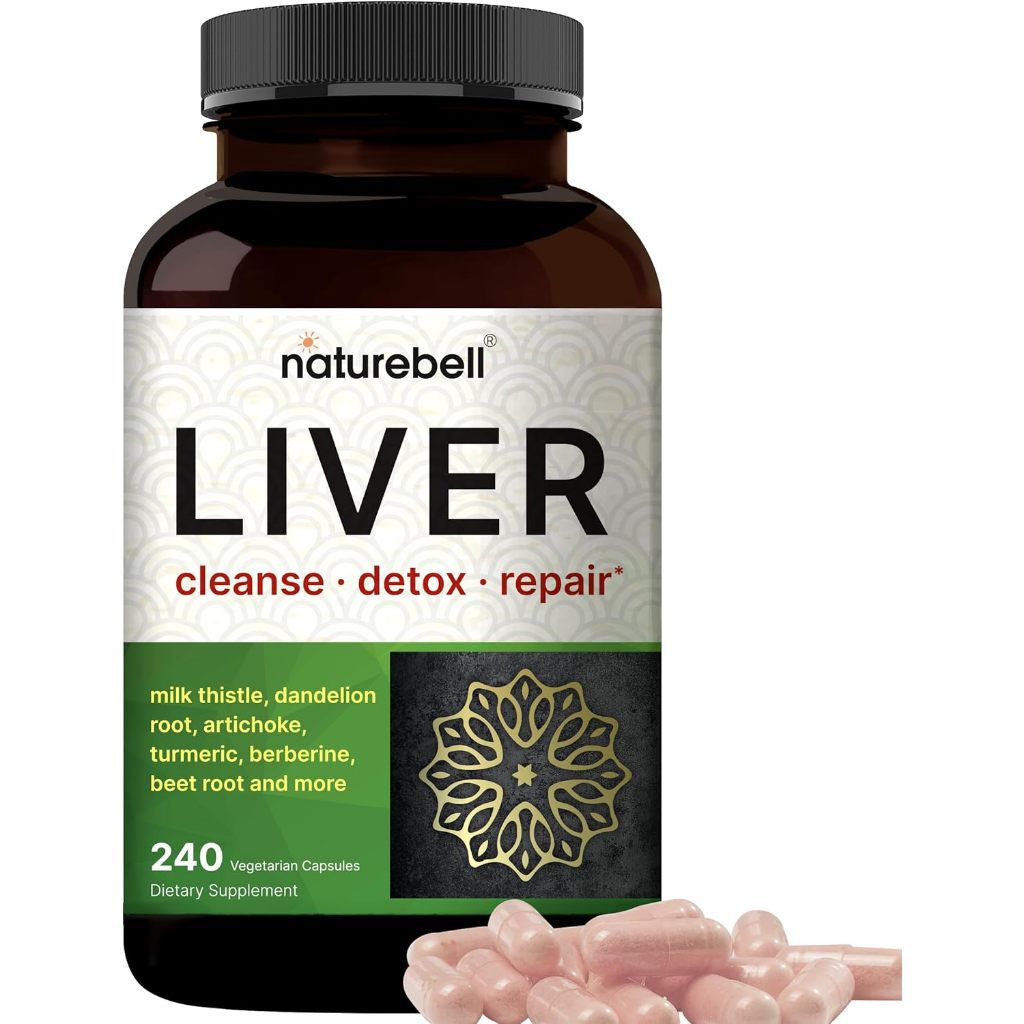
The liver filters blood from the digestive tract, removing toxins, drugs, alcohol, and metabolic byproducts. It converts these substances into less harmful forms that can be eliminated through urine or stool.
Nutrient Processing
The liver plays a key role in carbohydrate, protein, and fat metabolism. It stores glucose as glycogen, which is released when blood sugar levels drop. It also synthesizes proteins essential for blood clotting and transports fats throughout the body.
Bile Production
The liver produces bile, a fluid stored in the gallbladder that aids in the digestion and absorption of fats.
Storage of Vitamins and Minerals
The liver stores essential vitamins like A, D, E, K, and B12, as well as minerals like iron and copper.
Immune Function
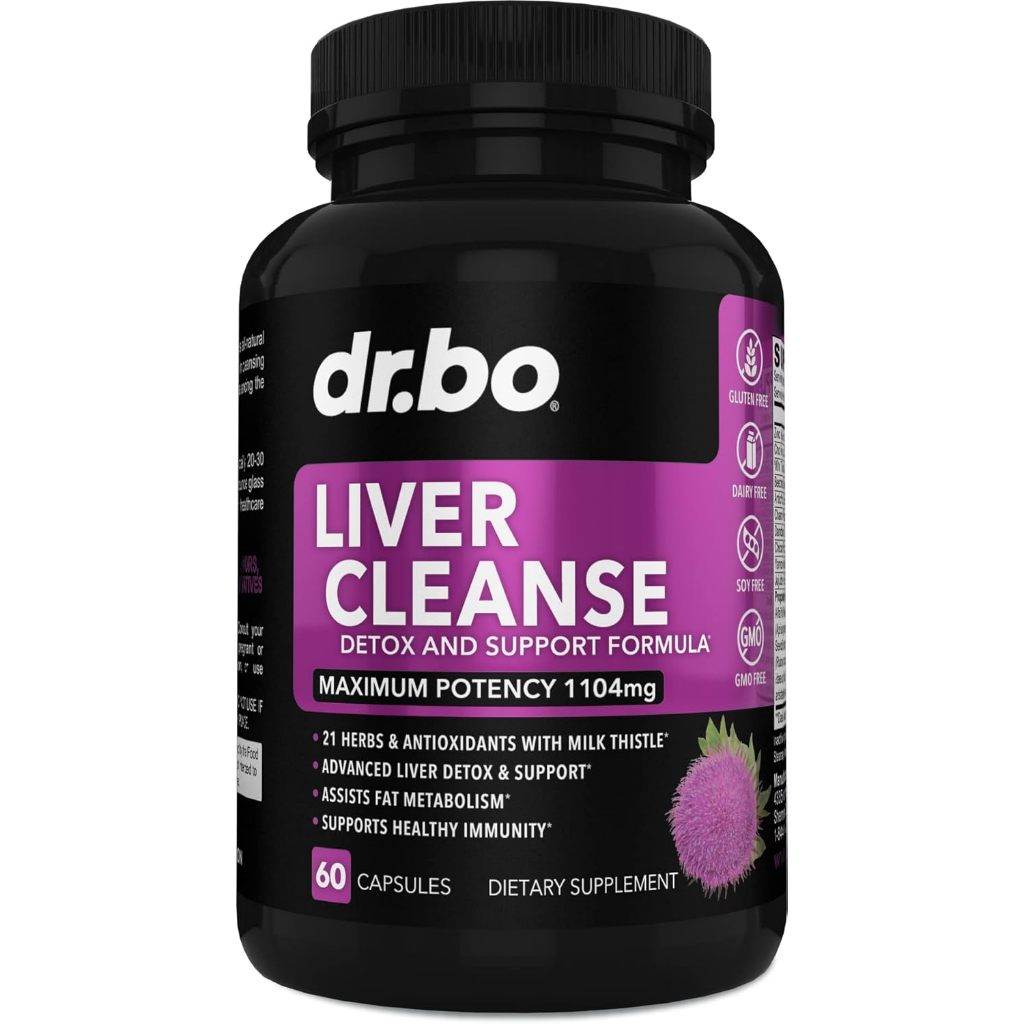
The liver contains specialized immune cells that help fight infections.
Proponents of liver cleansing believe that modern lifestyles place a significant burden on the liver, leading to a buildup of toxins and impaired function. They suggest that a cleanse can help:
Improve Liver Function
By reducing the toxic load, a cleanse may allow the liver to function more efficiently.
Boost Energy Levels
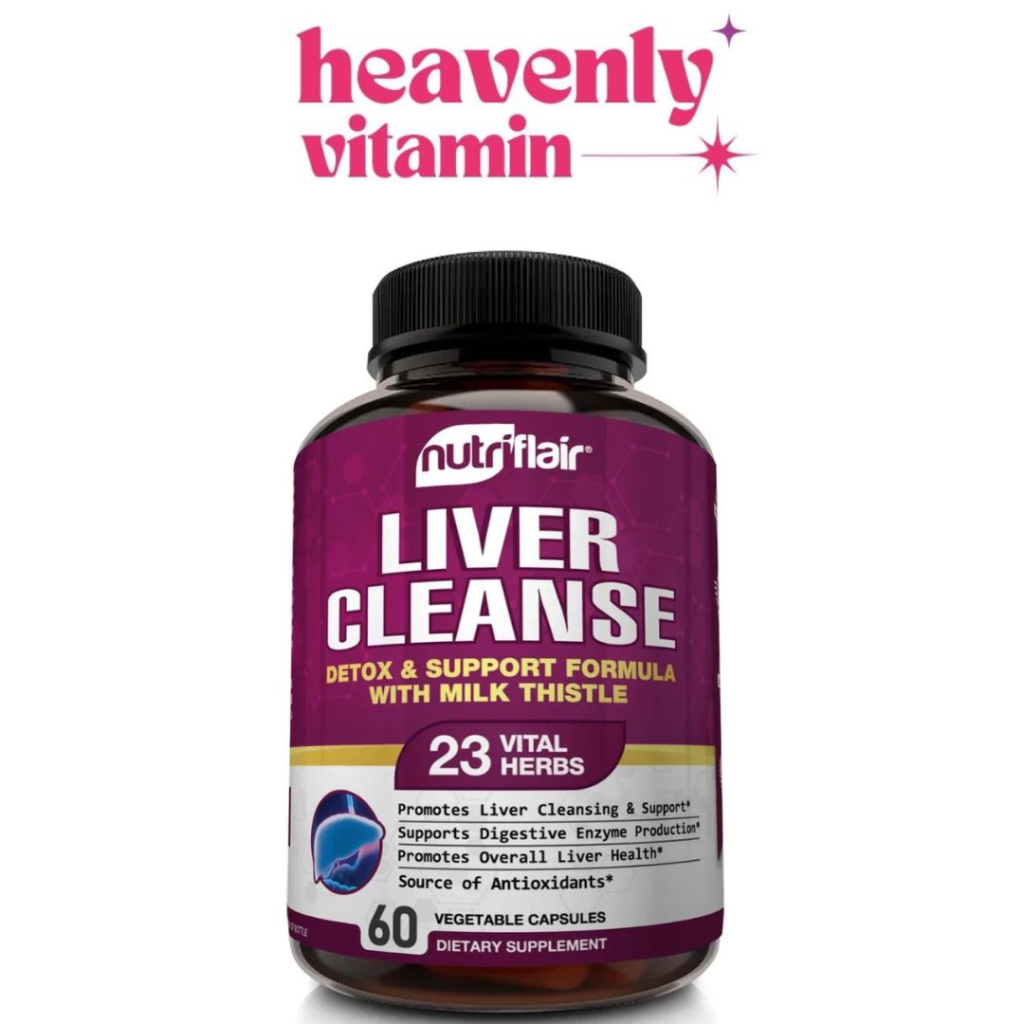
Enhanced liver function can lead to increased energy and vitality.
Promote Weight Loss
A healthy liver may contribute to better fat metabolism and weight management.
Improve Digestion
Supporting bile production can improve digestion and nutrient absorption.
Enhance Overall Well-being
A liver cleanse may contribute to a general sense of well-being and improved health.
Various methods are employed for liver cleansing, ranging from simple dietary adjustments to more complex protocols. Here’s a breakdown of some popular approaches:
Dietary Changes
This approach emphasizes consuming liver-friendly foods and avoiding those that can burden the liver.
Foods to Include
Fruits and Vegetables: Particularly leafy greens, cruciferous vegetables (broccoli, cauliflower, Brussels sprouts), beets, carrots, and apples.
Foods to Avoid
Processed Foods: These are often high in unhealthy fats, sugar, and artificial additives.
Herbal Supplements
Certain herbs are believed to support liver function and detoxification.
Milk Thistle
This herb contains silymarin, an antioxidant that may protect liver cells from damage.
Dandelion Root
This herb is believed to stimulate bile production and support detoxification.
Turmeric
This spice contains curcumin, which has anti-inflammatory and antioxidant properties.
Artichoke Leaf
This herb may support bile flow and liver detoxification.
Juice Cleanses
These involve consuming fruit and vegetable juices for a short period, aiming to provide nutrients and support detoxification.
Coffee Enemas
This controversial practice involves injecting coffee into the rectum to stimulate bile flow and detoxification.
While liver cleanses are often touted as beneficial, it’s crucial to approach them with caution.
Scientific Evidence
The scientific evidence supporting the effectiveness of liver cleanses is limited. Many of the claimed benefits are based on anecdotal evidence and traditional practices. The human body naturally removes toxins.
Potential Side Effects
Some individuals may experience side effects such as headaches, fatigue, diarrhea, or nausea during a cleanse.
Interactions with Medications
Certain herbs and supplements can interact with medications, so it’s essential to consult with a healthcare professional before starting a cleanse.
Nutrient Deficiencies
Prolonged juice cleanses or restricted diets can lead to nutrient deficiencies.
Gallstone Issues
Some cleanses advocate rapid increases in bile flow which can cause problems for people with gallstones.
Certain individuals should avoid liver cleanses, including:
Pregnant and Breastfeeding Women
Cleanses can be harmful to developing fetuses and infants.
Individuals with Chronic Liver Disease
Cleanses can exacerbate existing liver conditions.
Individuals with Gallbladder Disease
Cleanses can trigger gallstone attacks.
Individuals with Diabetes
Cleanses can affect blood sugar levels.
People with ongoing medical conditions
It is always important to consult with a health professional before beginning any kind of cleanse.
Instead of relying solely on cleanses, a more sustainable approach to liver health involves adopting a healthy lifestyle:
Maintain a Balanced Diet
Focus on whole, unprocessed foods, and limit consumption of unhealthy fats, sugar, and processed foods.
Stay Hydrated
Drink plenty of water throughout the day.
Engage in Regular Exercise
Physical activity supports liver function and overall health.
Limit Alcohol Consumption
Excessive alcohol intake can damage the liver.
Manage Stress
Chronic stress can negatively impact liver health.
Avoid Exposure to Toxins
Minimize exposure to environmental toxins and chemicals.
Maintain a healthy weight.
Non alcoholic fatty liver disease, is directly related to obesity.
The liver is a resilient organ that plays a vital role in maintaining health. While liver cleanses may offer some benefits, they are not a substitute for a healthy lifestyle. A balanced diet, regular exercise, stress management, and limited exposure to toxins are the cornerstones of liver health. If you are considering a liver cleanse, it’s essential to consult with a healthcare professional to ensure it’s safe and appropriate for your individual needs. Remember, prioritizing a sustainable, healthy lifestyle is the most effective way to support your liver’s long-term health and well-being.


