Kegel Exercises For Men: A Comprehensive Guide

Kegel Exercises For Men: A Comprehensive Guide

Posted on

Kegel Exercises for Men: Strengthening Your Pelvic Floor for Enhanced health and Well-being

Kegel exercises, often associated with women’s health, are equally beneficial for men. These exercises target the pelvic floor muscles, a group of muscles that play a crucial role in various bodily functions, including urinary continence, bowel control, and sexual health. Strengthening these muscles can lead to significant improvements in quality of life for men of all ages. This comprehensive guide will delve into the benefits, techniques, and common misconceptions surrounding Kegel exercises for men.

  • Understanding the Pelvic Floor
  • The pelvic floor muscles form a hammock-like structure that supports the bladder, bowel, and rectum. In men, these muscles also contribute to erectile function and ejaculation. Weak pelvic floor muscles can lead to a range of issues, including:
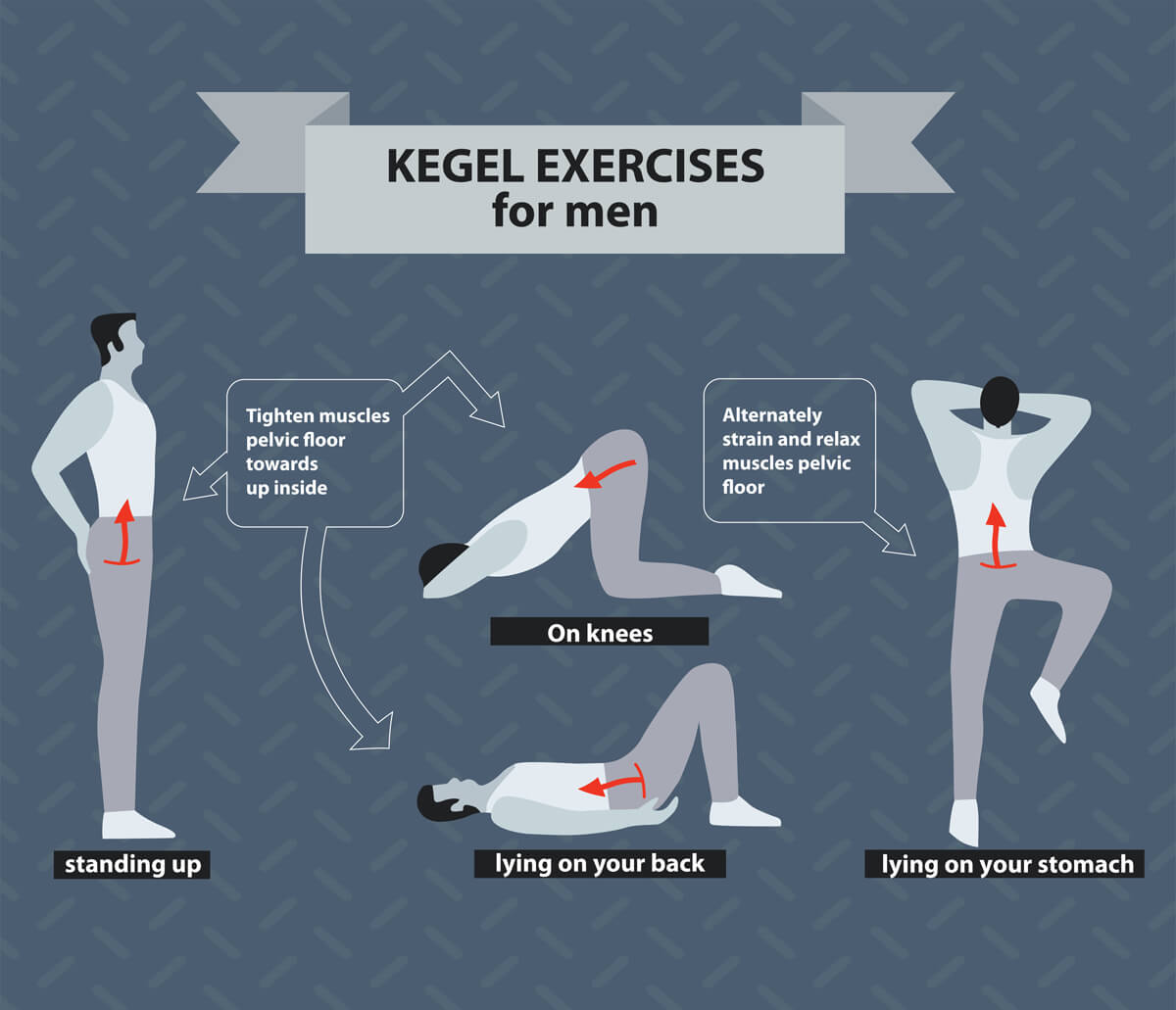
    Kegel Exercises For Men: A Comprehensive Guide
    Kegel Exercises Center for Urologic Care of Berks County

    Urinary incontinence: Leakage of urine, especially during activities like coughing, sneezing, or laughing.

  • Fecal incontinence: Difficulty controlling bowel movements.
  • Erectile dysfunction: Difficulty achieving or maintaining an erection.
  • Premature ejaculation: Ejaculating sooner than desired.
  • Pain in the pelvic region.

  • Benefits of Kegel Exercises for Men
  • Regular Kegel exercises can strengthen the pelvic floor muscles, leading to numerous benefits:

    Improved Urinary Continence

    Kegel exercises are highly effective in treating stress urinary incontinence, which is common after prostate surgery or due to age-related muscle weakening.

  • By strengthening the muscles that control urine flow, Kegels can significantly reduce or eliminate leakage.
  • This improvement can lead to increased confidence and a better quality of life.

  • Enhanced Bowel Control

    image.title
    Must-do Kegel Exercises for Men

    Kegel exercises can also improve bowel control, particularly in men experiencing fecal incontinence.

  • Strengthening the pelvic floor muscles helps to better control the anal sphincter, preventing accidental bowel leakage.

  • Improved Sexual Function

    Strong pelvic floor muscles are essential for healthy sexual function.

  • Kegel exercises can improve erectile function by increasing blood flow to the penis.
  • They can also help men gain better control over ejaculation, potentially delaying premature ejaculation.
  • Some men report enhanced orgasmic intensity.

  • Post-Prostate Surgery Recovery

    Kegel exercises are often recommended after prostate surgery to help regain urinary continence.

  • Starting Kegels before surgery can also help prepare the muscles for the procedure, leading to faster recovery.
  • Consistent Kegel exercises can minimize the risk of long-term incontinence after surgery.

  • Pain Management

    In some cases, strengthening the pelvic floor can help to reduce chronic pelvic pain.

  • Tension in the pelvic floor can contribute to pain, and targeted exercises can help to release this tension.

  • Identifying Your Pelvic Floor Muscles
  • The first step in performing Kegel exercises is to identify the correct muscles. Here are a few methods:

    Stopping Urine Flow

    While urinating, try to stop the flow midstream.

  • The muscles you use to stop the flow are your pelvic floor muscles.
  • Important note: Do not routinely stop your urine stream as this could cause bladder emptying problems. Use this only to locate the muscles.

  • Isolating the Muscles

    Imagine you are trying to prevent yourself from passing gas.

  • The muscles you squeeze are your pelvic floor muscles.
  • You should feel a lifting sensation.
  • Try not to squeeze your abdominal, thigh, or buttock muscles.

  • Rectal Contraction

    Insert a finger into your rectum, and then try to squeeze the muscles around your finger.

  • If you feel a tightening, you’ve located the correct muscles.

  • Performing Kegel Exercises Correctly
  • Once you have identified your pelvic floor muscles, you can begin performing Kegel exercises. Here’s how:

    Basic Kegel Exercise

    Empty your bladder before starting.

  • Lie on your back, sit in a chair, or stand with your feet shoulder-width apart.
  • Contract your pelvic floor muscles.
  • Hold the contraction for 3-5 seconds.
  • Relax the muscles for 3-5 seconds.
  • Repeat this sequence 10-15 times.

  • Progressive Kegel Exercises

    As your muscles get stronger, gradually increase the hold time to 10 seconds and the relaxation time to 10 seconds.

  • You can also increase the number of repetitions to 20-30 per set.
  • Vary the speed of contractions, performing some quickly and some slowly.

  • Consistency is Key

    For optimal results, perform Kegel exercises 2-3 times per day.

  • You can do them anywhere and anytime, as they are discreet.
  • Make them a part of your daily routine.

  • Tips for Success
  • Focus on isolating the pelvic floor muscles. Avoid contracting your abdominal, thigh, or buttock muscles.

  • Breathe normally during the exercises. Don’t hold your breath.
  • Don’t overdo it. Start with a few repetitions and gradually increase the number as your muscles get stronger.
  • Be patient. It may take several weeks or months to see noticeable improvements.
  • Use visual cues. Some men find it helpful to visualize lifting their pelvic floor muscles upwards and inwards.
  • Use biofeedback. Devices are available that provide feedback on muscle contractions, helping you to ensure you are performing the exercises correctly.
  • Consider professional guidance. A physical therapist specializing in pelvic floor health can provide personalized guidance and support.

  • Common Mistakes to Avoid
  • Contracting the wrong muscles: Squeezing your abdominal, thigh, or buttock muscles instead of your pelvic floor muscles.

  • Holding your breath: This can strain your muscles and reduce the effectiveness of the exercise.
  • Overdoing it: Starting with too many repetitions or holding the contraction for too long can lead to muscle fatigue.
  • Not being consistent: Regular practice is essential for strengthening the pelvic floor muscles.
  • Performing Kegels while urinating frequently: As stated previously, this can lead to bladder problems.

  • Kegel Exercises and Specific Conditions
  • Post-Prostatectomy Kegels

    Men who have undergone prostate surgery should begin Kegel exercises as soon as possible after the procedure.

  • A physical therapist can provide guidance on the appropriate exercises and progression.
  • Consistent Kegels can help to regain urinary continence more quickly.

  • Kegels for Erectile Dysfunction

    While Kegels can improve erectile function, they are not a standalone treatment for erectile dysfunction.

  • They can be used in conjunction with other treatments, such as medication or lifestyle changes.
  • Consult with a healthcare professional to determine the best course of treatment.

  • Kegels for Premature Ejaculation

    Kegel exercises can help men gain better control over ejaculation, potentially delaying premature ejaculation.

  • Combining Kegels with other techniques, such as the squeeze technique, can be even more effective.
  • A therapist specializing in sexual health can be very helpful.

  • Lifestyle Factors and Pelvic Floor Health
  • In addition to Kegel exercises, certain lifestyle factors can also affect pelvic floor health:

    Maintaining a Healthy Weight

    Excess weight can put added pressure on the pelvic floor muscles.

  • Maintaining a healthy weight can help to reduce this pressure and improve pelvic floor function.

  • Avoiding Constipation

    Straining during bowel movements can weaken the pelvic floor muscles.

  • Eating a high-fiber diet and drinking plenty of fluids can help to prevent constipation.

  • Quitting Smoking

    Smoking can damage blood vessels and reduce blood flow to the pelvic floor muscles.

  • Quitting smoking can improve blood flow and support pelvic floor health.

  • Limiting Alcohol and Caffeine

    Alcohol and caffeine can irritate the bladder and increase the urge to urinate.

  • Limiting intake of these substances can help to reduce urinary frequency and urgency.

  • When to Seek Professional Help
  • If you are experiencing any symptoms of pelvic floor dysfunction, such as urinary incontinence, fecal incontinence, erectile dysfunction, or premature ejaculation, it is important to seek professional help. A healthcare professional can diagnose the underlying cause of your symptoms and recommend the appropriate treatment. A physical therapist specializing in pelvic floor health can provide personalized guidance on Kegel exercises and other therapies.

  • Conclusion
  • Kegel exercises are a simple yet effective way for men to strengthen their pelvic floor muscles and improve their overall health and well-being. By incorporating Kegels into your daily routine, you can enhance urinary continence, bowel control, and sexual function. Consistency and correct technique are crucial for achieving optimal results. If you have any concerns about your pelvic floor health, consult with a healthcare professional for personalized guidance.

    Leave a Reply

    Your email address will not be published. Required fields are marked *