
Decoding the Discomfort: A Comprehensive Guide to Heart Pain
Heart pain, or chest pain, is a symptom that triggers immediate concern, and rightfully so. It can be a signal of a life-threatening cardiac event, but it can also stem from a variety of less serious conditions. This comprehensive guide aims to demystify heart pain, exploring its causes, characteristics, and when to seek immediate medical attention.
The chest cavity houses a complex network of organs, muscles, bones, and nerves. When experiencing chest pain, pinpointing the exact source can be challenging. The heart itself, located slightly to the left of the chest’s center, is surrounded by the lungs, esophagus, ribs, and various muscles. Pain can originate from any of these structures, leading to a wide range of sensations.

When heart pain is indeed cardiac in origin, it often signals a problem with blood flow to the heart muscle. Here are some of the most significant cardiac causes:
1. Angina Pectoris
Angina is a type of chest pain caused by reduced blood flow to the heart muscle. It’s often described as a squeezing, pressure, heaviness, tightness, or burning sensation in the chest. Angina is usually triggered by physical exertion, emotional stress, or extreme temperatures.
Stable Angina: Occurs predictably with exertion and is relieved by rest or nitroglycerin.
2. Myocardial Infarction (Heart Attack)
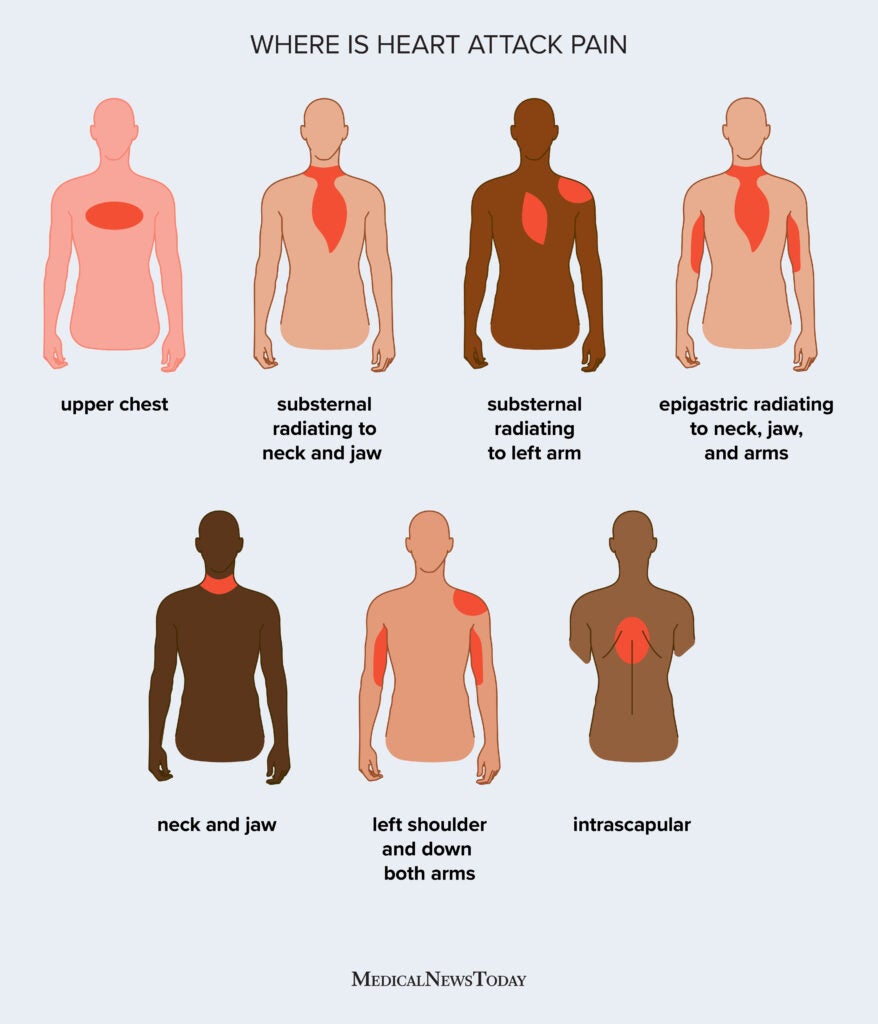
A heart attack occurs when blood flow to a portion of the heart muscle is completely blocked, typically by a blood clot. The pain is usually severe, crushing, and may radiate to the left arm, jaw, back, or neck. Other symptoms include shortness of breath, sweating, nausea, and lightheadedness.
3. Pericarditis
Pericarditis is inflammation of the pericardium, the sac surrounding the heart. The pain is often sharp, stabbing, and worsens with deep breathing, coughing, or lying down. It may improve when sitting up and leaning forward.
4. Myocarditis
Myocarditis is inflammation of the heart muscle itself, often caused by a viral infection. The pain can be similar to a heart attack, but it may also be mild or absent. Other symptoms include fatigue, shortness of breath, and palpitations.
5. Aortic Dissection
Aortic dissection is a tear in the wall of the aorta, the large artery that carries blood from the heart. The pain is typically sudden, severe, and described as a tearing or ripping sensation. This is a medical emergency.
6. Coronary Artery Spasm (Prinzmetal’s Angina)

This type of angina is caused by a spasm in the coronary arteries, temporarily reducing blood flow to the heart. It can occur at rest and often at night.
Many conditions unrelated to the heart can cause chest pain. These include:
1. Gastrointestinal Issues
Gastroesophageal Reflux Disease (GERD): Stomach acid refluxes into the esophagus, causing heartburn, a burning sensation in the chest.
2. Musculoskeletal Problems
Costochondritis: Inflammation of the cartilage connecting the ribs to the breastbone, causing sharp, localized pain.
3. Pulmonary (Lung) Conditions
Pulmonary Embolism (PE): A blood clot in the lungs, a medical emergency, causing sharp chest pain, shortness of breath, and coughing.
4. Psychological Factors
Panic Attacks: Can cause chest pain, rapid heartbeat, and shortness of breath.
5. Other Causes
Shingles: A viral infection affecting nerves, causing a painful rash and chest pain if it affects nerves in the chest area.
Understanding the characteristics of your chest pain can help your doctor determine the cause. Consider the following:
Location: Where exactly is the pain located?
Certain types of chest pain require immediate medical attention. Call emergency services if you experience:
Sudden, crushing, or squeezing chest pain, especially if it radiates to the arm, jaw, or back.
Diagnosing the cause of chest pain involves a thorough medical history, physical examination, and various tests, including:
Electrocardiogram (ECG): Records the electrical activity of the heart.
Treatment depends on the underlying cause of the chest pain. Cardiac causes may require medications, procedures like angioplasty or stenting, or surgery. Non-cardiac causes are treated based on the specific condition.
Preventing heart pain involves adopting a heart-healthy lifestyle:
Maintain a Healthy Weight: Losing even a small amount of weight can significantly reduce your risk.
Heart pain is a complex symptom that requires careful evaluation. While it can be a sign of a serious cardiac event, it can also stem from a variety of other conditions. Understanding the characteristics of your pain and seeking prompt medical attention when necessary are crucial. By adopting a heart-healthy lifestyle, you can significantly reduce your risk of heart-related chest pain and improve your overall well-being.


