
Decoding the Debilitating Headache: A Comprehensive Guide
Headaches. They’re a universal experience, a common thread woven through the tapestry of human existence. From the mildest twinge to the most excruciating throbbing, they can disrupt our lives, impacting our productivity, mood, and overall well-being. But what are headaches, really? What causes them, and how can we effectively manage them? This comprehensive guide delves into the intricate world of headaches, exploring their various types, triggers, treatments, and preventative measures.
A headache is defined as pain in the head, which can range from mild discomfort to severe, debilitating pain. It arises from signals interacting between the brain, blood vessels, and surrounding nerves. While the brain itself doesn’t possess pain receptors, the tissues and structures surrounding it do, including blood vessels, muscles, and nerves.
Headaches are broadly classified into two categories: primary and secondary.
Primary Headaches: The Independent Ailment
Primary headaches are those that are not caused by an underlying medical condition. They are the headache itself.
Tension Headaches: The Stress-Induced Ache

Tension headaches are the most common type, often described as a tight band or pressure around the head. They are frequently triggered by stress, poor posture, fatigue, and eye strain. The pain is typically mild to moderate and may last from 30 minutes to several days.
Migraines: The Pulsating Powerhouse
Migraines are characterized by intense, throbbing pain, usually on one side of the head. They can be accompanied by nausea, vomiting, and sensitivity to light and sound (photophobia and phonophobia). Some migraines are preceded by an aura, which can involve visual disturbances, tingling sensations, or speech difficulties. Migraines can last from 4 to 72 hours.
Cluster Headaches: The Short, Sharp Shock
Cluster headaches are severe, one-sided headaches that occur in clusters, meaning multiple headaches over a period of days or weeks, followed by a period of remission. The pain is often described as sharp, stabbing, or burning, and is usually located around one eye. They are often accompanied by a runny nose, tearing, and eyelid drooping on the affected side.
Other Primary Headaches
Other primary headaches include:
Hemicrania continua: A persistent, one-sided headache with fluctuating intensity.
Secondary Headaches: Symptoms of Underlying Conditions
Secondary headaches are caused by an underlying medical condition. These conditions can range from minor to life-threatening.
Sinus Headaches: The Congestion Connection
Sinus headaches are caused by inflammation or infection of the sinuses. They are often accompanied by facial pain, pressure, and nasal congestion.
Hormone-Related Headaches: The Fluctuating Factors
Hormonal changes, particularly in women, can trigger headaches. Menstrual migraines and headaches associated with pregnancy or menopause fall into this category.
Caffeine Withdrawal Headaches: The Dependent Discomfort
Regular caffeine consumption can lead to withdrawal headaches when caffeine intake is reduced or stopped.
Headaches Caused by Medical Conditions
More serious causes of secondary headaches include:
Head injuries
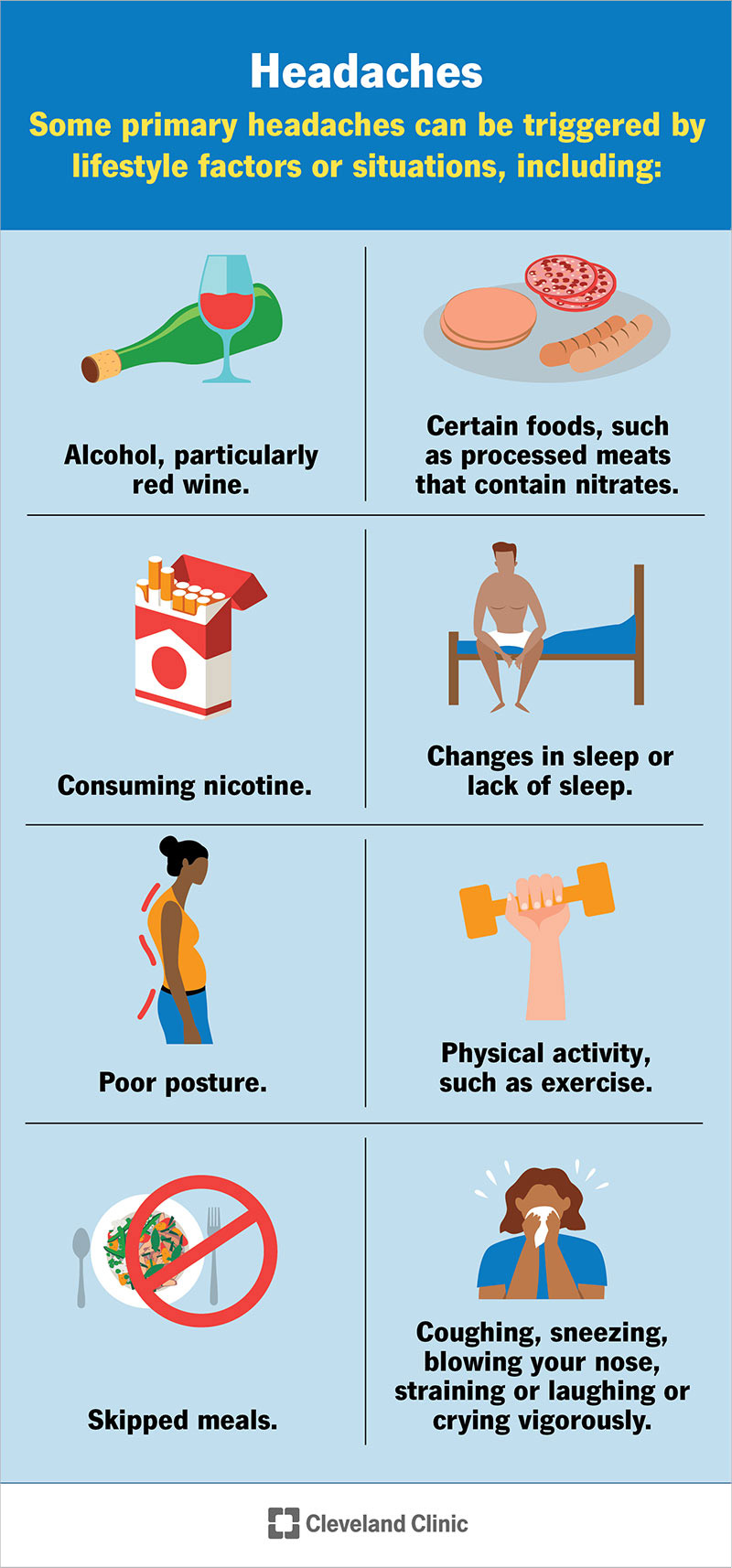
Identifying headache triggers is crucial for effective management and prevention. Common triggers include:
Stress: The Silent Saboteur
Stress is a major trigger for tension headaches and migraines.
Dietary Factors: The Food Foe
Certain foods and beverages, such as aged cheese, processed meats, chocolate, and red wine, can trigger migraines. Artificial sweeteners and monosodium glutamate (MSG) are also common culprits. Skipping meals can also bring on a headache.
Environmental Factors: The External Influences
Changes in weather, such as barometric pressure fluctuations, can trigger headaches. Strong odors, bright lights, and loud noises can also be triggers.
Sleep Disturbances: The Restless Reality
Both too much and too little sleep can trigger headaches.
Hormonal Changes: The Internal Imbalance
Fluctuations in estrogen levels, particularly in women, can trigger migraines.
Medications: The Pharmaceutical Problem
Some medications can cause headaches as a side effect. Overuse of pain relievers can lead to medication overuse headaches.
Treatment options for headaches depend on the type, frequency, and severity of the pain.
Over-the-Counter Pain Relievers: The First Line of Defense
Over-the-counter pain relievers, such as ibuprofen, acetaminophen, and naproxen, can be effective for mild to moderate headaches.
Prescription Medications: The Targeted Approach
For more severe headaches, such as migraines and cluster headaches, prescription medications may be necessary. These can include:
Triptans: Specific migraine medications that constrict blood vessels and block pain pathways.
Lifestyle Modifications: The Holistic Healing
Lifestyle changes can play a significant role in headache management. These include:
Stress management techniques, such as yoga, meditation, and deep breathing exercises.
Alternative Therapies: The Complementary Care
Some people find relief from headaches through alternative therapies, such as:
Acupuncture
Preventing headaches is often more effective than treating them. Key preventative measures include:
Keeping a Headache Diary: The Tracking Technique
Tracking headache patterns, triggers, and treatments can help identify effective strategies.
Managing Stress: The Mindful Method
Implementing stress-reducing techniques can significantly reduce headache frequency.
Maintaining a Healthy Lifestyle: The Balanced Blueprint
Regular exercise, a balanced diet, and adequate sleep are essential for overall health and headache prevention.
Avoiding Triggers: The Trigger-Free Tactics
Identifying and avoiding known triggers is crucial for preventing headaches.
Regular Medical Checkups: The Professional Perspective
Regular checkups with a healthcare professional can help identify and address any underlying medical conditions that may be contributing to headaches.
While most headaches are not serious, it’s important to seek medical attention if you experience:
Sudden, severe headache (thunderclap headache)
Headaches can significantly impact quality of life, but with a thorough understanding of their causes, triggers, and treatments, individuals can take control of their pain and live healthier, more fulfilling lives.


