
Foot and Mouth Disease: A Comprehensive Overview
Foot and Mouth Disease (FMD) is a highly contagious viral disease that primarily affects cloven-hoofed animals, including cattle, pigs, sheep, goats, and buffalo. It is characterized by fever, and the formation of vesicles (blisters) in the mouth, on the feet, and on the udder. FMD is a significant economic concern worldwide, impacting livestock production and international trade. This article provides a comprehensive overview of FMD, covering its causes, symptoms, transmission, diagnosis, prevention, and control.
Causes and Virology
FMD is caused by the foot-and-mouth disease virus (FMDV), a member of the Aphthovirus genus within the Picornaviridae family. FMDV is a single-stranded, positive-sense RNA virus. It is highly variable, with seven distinct serotypes (A, O, C, SAT 1, SAT 2, SAT 3, and Asia 1) and numerous subtypes within each serotype. This variability poses a significant challenge for vaccine development and control efforts.
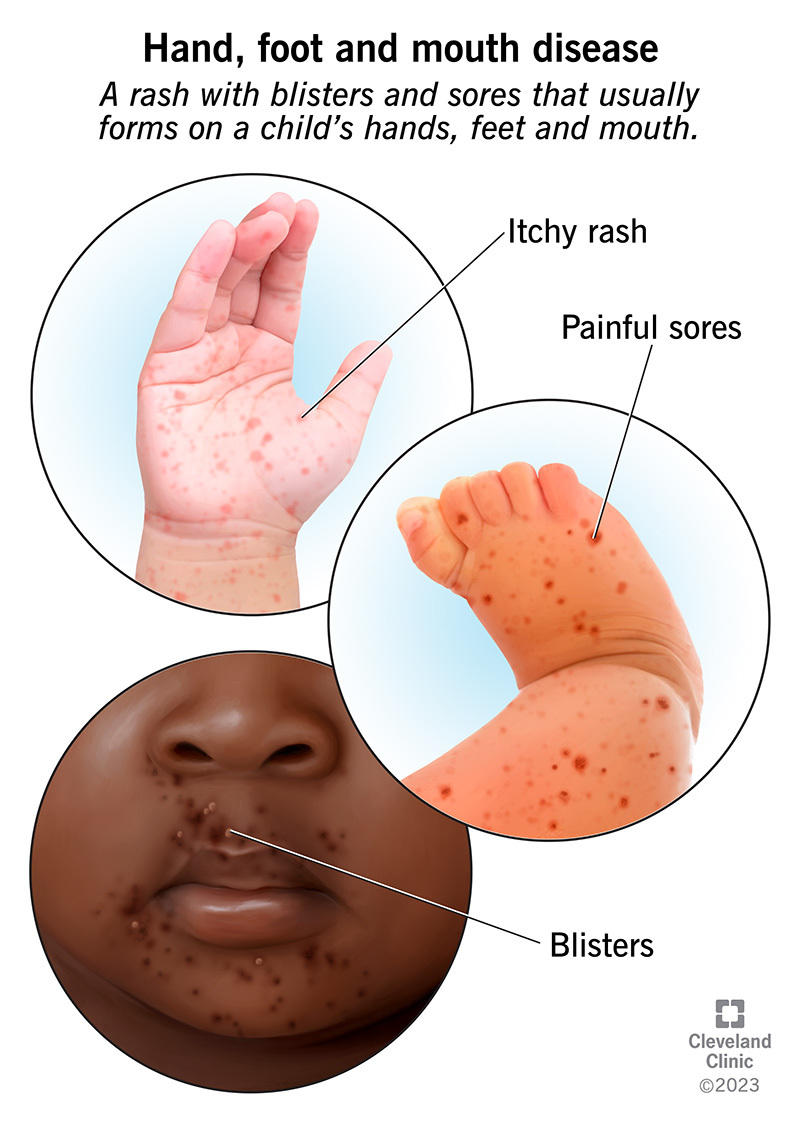
The virus is remarkably resilient and can survive in the environment for extended periods, particularly in cool, damp conditions. It can also persist in contaminated animal products, such as meat and dairy, if not properly processed.
Symptoms and Clinical Signs
The clinical signs of FMD vary depending on the animal species, the strain of the virus, and the animal’s age and immune status. Common symptoms include:
Fever and Lethargy
Affected animals often exhibit a high fever, accompanied by lethargy, depression, and loss of appetite.
Vesicles (Blisters)
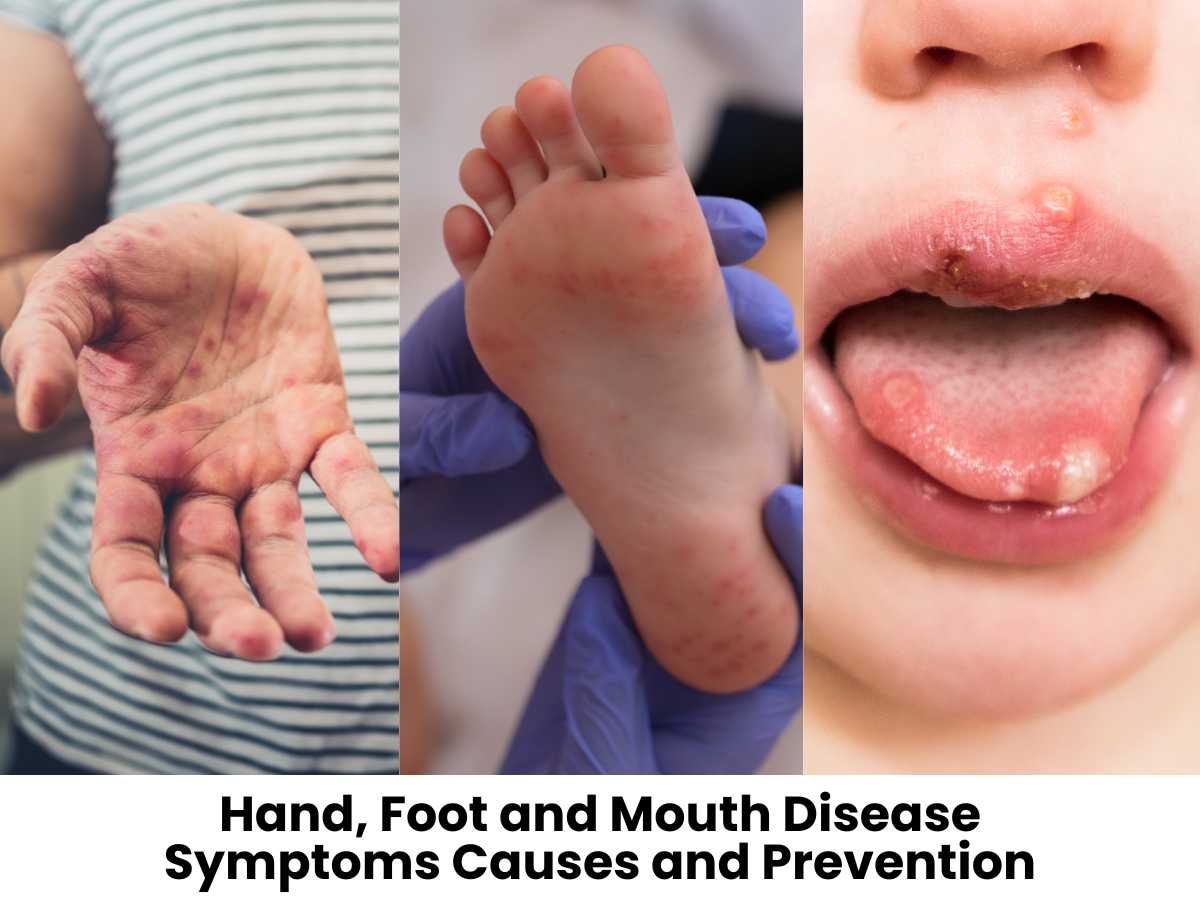
The hallmark of FMD is the formation of vesicles in the mouth, on the tongue, gums, and dental pad, causing excessive salivation and drooling. Vesicles also appear on the feet, particularly between the claws and on the coronary band, leading to lameness and reluctance to move. In lactating animals, vesicles can develop on the udder and teats, causing pain and reduced milk production.
Ruptured Vesicles and Ulcers
The vesicles rupture within 24-48 hours, leaving painful ulcers that can become infected. In young animals, particularly calves and piglets, myocardial lesions (heart muscle damage) can occur, leading to sudden death.
Reduced Production
FMD significantly impacts livestock production, causing reduced milk yield, weight loss, and decreased fertility. In severe cases, it can lead to death, especially in young animals.
Transmission
FMD is highly contagious and can spread through various routes:
Direct Contact
Direct contact with infected animals, including through saliva, nasal discharge, milk, and semen, is a primary route of transmission.
Airborne Transmission
The virus can spread through the air over considerable distances, particularly in cool, humid conditions.
Indirect Contact
Indirect contact with contaminated materials, such as feed, water, bedding, vehicles, and equipment, can also spread the virus.
Contaminated Products
Consuming or handling contaminated animal products, such as meat and dairy, can introduce the virus into new areas.
Vectors
Although not considered primary vectors, mechanical transmission by insects or birds may play a role in spreading the virus.
Diagnosis
Early and accurate diagnosis is crucial for effective FMD control. Diagnostic methods include:
Clinical Examination
Observing clinical signs, such as vesicles and lameness, can provide a preliminary diagnosis.
Virus Isolation
Isolating the virus from vesicular fluid or tissue samples is the gold standard for diagnosis.
Serological Tests
Serological tests, such as enzyme-linked immunosorbent assay (ELISA) and virus neutralization tests (VNT), can detect antibodies against FMDV in blood samples.
Polymerase Chain Reaction (PCR)
PCR-based assays can detect viral RNA in samples, providing rapid and sensitive diagnosis.
Differential Diagnosis
It is essential to differentiate FMD from other vesicular diseases, such as vesicular stomatitis, swine vesicular disease, and vesicular exanthema of swine.
Prevention and Control
Effective FMD control requires a multi-faceted approach, including:
Movement Control
Strict movement control measures, such as quarantines and movement restrictions, are essential to prevent the spread of the virus.
Vaccination
Vaccination is a critical tool for FMD control, particularly in endemic areas. Vaccines are available for different serotypes, but the high variability of FMDV necessitates the use of serotype-specific vaccines.
Slaughter and Disposal
In outbreak situations, stamping out (slaughtering all infected and susceptible animals) may be necessary to eliminate the virus. Proper disposal of carcasses and contaminated materials is crucial.
Biosecurity Measures
Implementing strict biosecurity measures, such as disinfection of vehicles and equipment, limiting access to farms, and controlling animal movements, can help prevent the introduction and spread of the virus.
Surveillance and Monitoring
Continuous surveillance and monitoring are essential to detect and respond to outbreaks promptly.
International Cooperation
International cooperation and coordination are vital for controlling FMD, particularly in regions with porous borders.
Economic Impact
FMD has a devastating economic impact on livestock industries and international trade. Outbreaks can lead to:
Trade Restrictions
Countries free from FMD often impose strict trade restrictions on products from affected areas, disrupting international trade.
Production Losses
Reduced milk yield, weight loss, and decreased fertility result in significant production losses.
Slaughter Costs
The cost of slaughtering and disposing of infected and susceptible animals can be substantial.
Control Costs
Implementing control measures, such as vaccination and surveillance, incurs significant costs.
Loss of Consumer Confidence
Outbreaks can erode consumer confidence in animal products, further impacting the industry.
Global Distribution
FMD is endemic in many parts of the world, including Africa, Asia, and parts of South America. Europe and North America are generally free from FMD, but the risk of introduction remains a concern.
Endemic Regions
In endemic regions, FMD control focuses on vaccination, movement control, and biosecurity measures.
FMD-Free Regions
FMD-free regions maintain strict surveillance and biosecurity measures to prevent the introduction of the virus.
Future Directions
Research efforts are ongoing to improve FMD control, including:
Development of Improved Vaccines
Researchers are working to develop more effective and broadly protective vaccines, including vaccines that can provide cross-protection against multiple serotypes.
Development of Novel Diagnostics
Rapid and accurate diagnostic tools are essential for early detection and response to outbreaks.
Understanding Virus Evolution
Studying the evolution and variability of FMDV is crucial for developing effective control strategies.
Improved Biosecurity Practices
Enhancing biosecurity practices at all levels of the livestock industry is essential for preventing the spread of FMD.
Conclusion
Foot and Mouth Disease is a highly contagious and economically significant disease that poses a significant threat to livestock industries worldwide. Effective control requires a multi-faceted approach, including movement control, vaccination, slaughter, biosecurity measures, and international cooperation. Continued research and development of improved control strategies are essential for minimizing the impact of FMD.


