Navigating Diarrhea: A Comprehensive Guide to Treatment
Diarrhea, characterized by loose, watery stools occurring three or more times a day, is a common ailment affecting people of all ages. While often a short-lived inconvenience, it can sometimes lead to dehydration and other complications, especially in vulnerable populations like children, the elderly, and those with weakened immune systems. This comprehensive guide explores the various facets of diarrhea treatment, empowering you to manage this condition effectively.
Understanding the Causes of Diarrhea
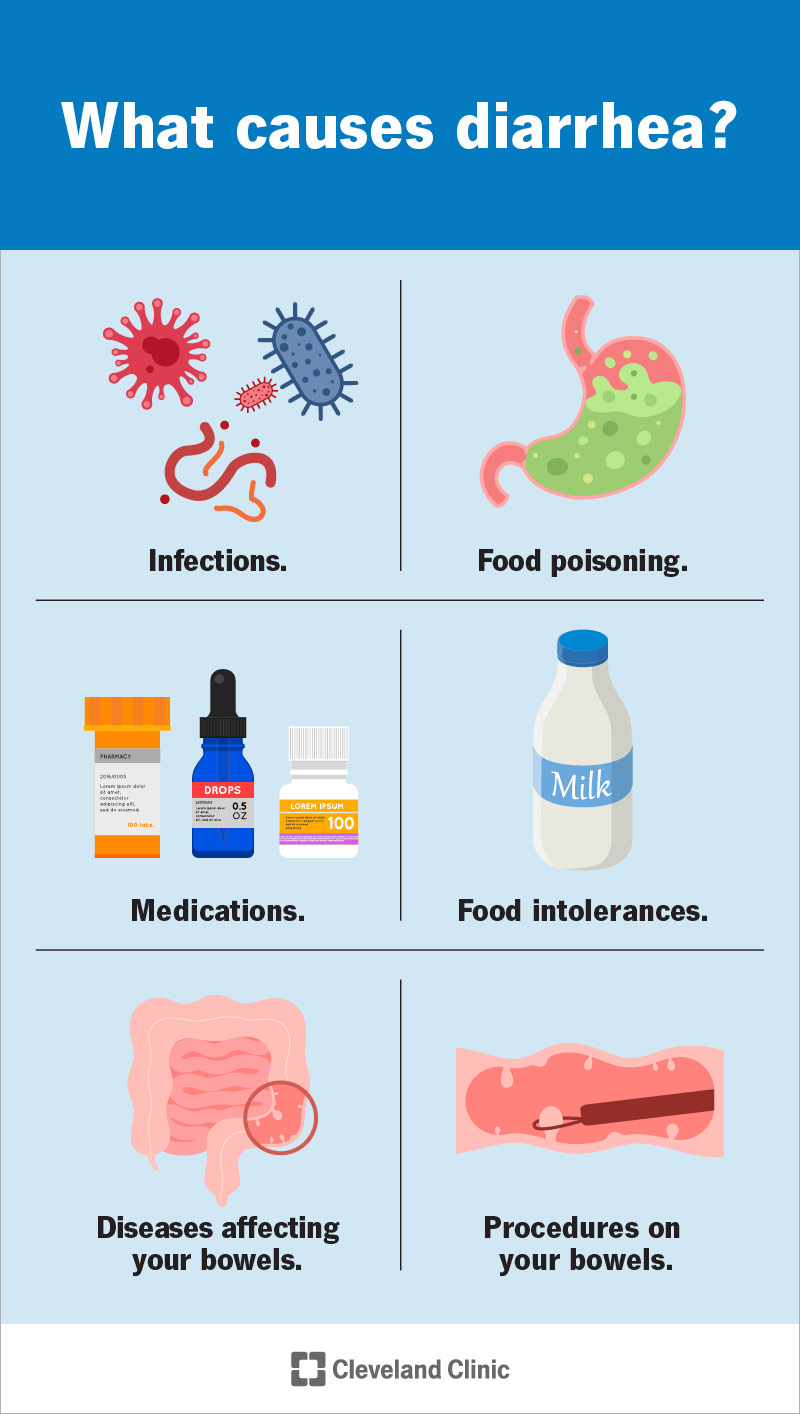
Before delving into treatment, it’s crucial to understand the underlying causes of diarrhea. These can range from simple dietary indiscretions to more serious infections:
Diarrhea: Causes, Symptoms & Treatment
Viral Infections: Rotavirus, norovirus, and adenovirus are common culprits, particularly in children.
Bacterial Infections: Bacteria like Salmonella, E. coli, and Campylobacter can cause food poisoning and diarrhea.
Parasitic Infections: Giardia lamblia and Cryptosporidium are examples of parasites that can infect the intestines.
Food Intolerance and Allergies: Lactose intolerance, gluten sensitivity, and food allergies can trigger diarrhea.
Medications: Antibiotics, antacids, and certain other medications can disrupt the gut microbiome and cause diarrhea.
Irritable Bowel Syndrome (IBS) and Inflammatory Bowel Disease (IBD): These chronic conditions can cause recurrent episodes of diarrhea.
Traveler’s Diarrhea: Exposure to contaminated food or water while traveling can lead to diarrhea.
Dietary Factors: Consuming excessive amounts of certain foods, such as spicy or fatty foods, or artificial sweeteners can irritate the digestive system.
Recognizing the Symptoms
Diarrhea is typically accompanied by other symptoms, which may include:
Abdominal cramps and pain
Bloating
Nausea and vomiting
Urgency to have a bowel movement
Dehydration (characterized by thirst, dry mouth, decreased urination, and fatigue)
Fever (in cases of infection)
Blood or mucus in the stool (indicating a more serious condition)
How to Safely Treat Diarrhea
Treatment Strategies: Addressing the Core Issues
The primary goals of diarrhea treatment are to rehydrate the body, address the underlying cause, and alleviate symptoms.
Rehydration: Replenishing Lost Fluids and Electrolytes
Dehydration is the most significant risk associated with diarrhea. Replacing lost fluids and electrolytes is paramount.
Oral Rehydration Solutions (ORS): ORS are readily available in pharmacies and contain the ideal balance of electrolytes and glucose to replenish lost fluids. They are particularly important for children and the elderly.
Clear Liquids: If ORS is unavailable, clear liquids like water, clear broths, and electrolyte-enhanced beverages can help. Avoid sugary drinks, as they can worsen diarrhea.
Intravenous Fluids: In cases of severe dehydration, intravenous fluids may be necessary.
Dietary Management: Supporting Gut Recovery
What you eat can significantly impact your recovery from diarrhea.
BRAT Diet: The BRAT diet, consisting of bananas, rice, applesauce, and toast, is a traditional approach to managing diarrhea. These foods are bland, easily digestible, and help bind the stool.
Bland Foods: Other bland foods like cooked cereals, plain potatoes, and boiled carrots can be included in the diet.
Avoid Irritants: During and after diarrhea, avoid fatty, spicy, and sugary foods, as well as dairy products (if lactose intolerance is suspected), caffeine, and alcohol.
Probiotics: Probiotics, which are beneficial bacteria, can help restore the balance of the gut microbiome and shorten the duration of diarrhea. They are found in yogurt, kefir, and probiotic supplements.
Medications: Addressing Specific Causes and Symptoms
Medications can be used to treat specific causes of diarrhea or alleviate symptoms.
Antidiarrheal Medications: Over-the-counter medications like loperamide (Imodium) can help reduce the frequency of bowel movements. However, they should not be used for prolonged periods or in cases of bloody diarrhea or fever, as they can mask underlying infections.
Antibiotics: Antibiotics are only necessary for bacterial infections. A healthcare provider will determine if antibiotics are appropriate based on the cause of the diarrhea.
Antiparasitic Medications: If a parasitic infection is diagnosed, antiparasitic medications will be prescribed.
Medications for Underlying Conditions: If diarrhea is caused by IBS or IBD, medications to manage these conditions may be necessary.
Home Remedies and Supportive Measures
In addition to medical treatments, several home remedies and supportive measures can help alleviate symptoms and promote recovery.
Rest: Adequate rest is essential for the body to recover.
Hygiene: Frequent handwashing is crucial to prevent the spread of infectious diarrhea.
Warm Compress: Applying a warm compress to the abdomen can help relieve cramps.
Herbal Teas: Chamomile and ginger tea can soothe the digestive system.
When to Seek Medical Attention
While most cases of diarrhea resolve on their own within a few days, it’s essential to seek medical attention if you experience:
Severe dehydration (signs include dizziness, lightheadedness, decreased urination, and rapid heart rate)
Bloody or black stools
High fever (over 102°F or 39°C)
Severe abdominal pain
Diarrhea lasting longer than a few days
Symptoms of dehydration in infants or young children
Diarrhea in people with weakened immune systems.
Preventing Diarrhea: Proactive Measures
Prevention is always better than cure. Here are some key strategies to prevent diarrhea:
Practice Good Hygiene: Wash your hands frequently with soap and water, especially before meals and after using the restroom.
Food Safety: Cook food thoroughly, avoid raw or undercooked foods, and practice safe food handling.
Water Safety: Drink clean, treated water. If traveling to areas with questionable water quality, drink bottled or boiled water.
Vaccinations: Vaccinations are available for rotavirus, a common cause of diarrhea in children.
Travel Precautions: When traveling, be cautious of food and water sources.
Manage Underlying Conditions: If you have IBS or IBD, work with your healthcare provider to manage your condition effectively.
Diarrhea in Specific Populations
Diarrhea can pose unique challenges for certain populations.
Children: Children are more susceptible to dehydration from diarrhea. ORS is crucial for rehydration.
Elderly: The elderly are also at increased risk of dehydration and complications.
Pregnant Women: Diarrhea during pregnancy can be concerning. Consult your healthcare provider for guidance.
People with Weakened Immune Systems: People with weakened immune systems are more vulnerable to infections that can cause diarrhea.
The Role of the Gut Microbiome
The gut microbiome, the community of microorganisms living in the intestines, plays a vital role in digestive health. Diarrhea can disrupt the balance of the gut microbiome.
Probiotics and Prebiotics: Probiotics and prebiotics can help restore and maintain a healthy gut microbiome.
Dietary Fiber: A diet rich in fiber promotes a healthy gut microbiome.
Long-Term Implications of Diarrhea
While most cases of diarrhea are short-lived, chronic diarrhea can have long-term implications.
Malnutrition: Chronic diarrhea can lead to malabsorption of nutrients and malnutrition.
Dehydration: Persistent dehydration can cause kidney problems and other complications.
Quality of Life: Chronic diarrhea can significantly impact quality of life.
Conclusion: Empowering Yourself with Knowledge
Diarrhea is a common ailment, but with proper knowledge and treatment, you can effectively manage this condition. By understanding the causes, recognizing the symptoms, and implementing appropriate treatment strategies, you can minimize the impact of diarrhea and promote a speedy recovery. Remember to prioritize rehydration, dietary management, and seek medical attention when necessary. By taking proactive measures to prevent diarrhea, you can safeguard your digestive health and well-being.

:max_bytes(150000):strip_icc()/how-to-treat-diarrhea-12982461-5c87fbf046e0fb0001cbf5ad.png "image.title")


