Navigating Diverticulitis: A Comprehensive Guide to Treatment
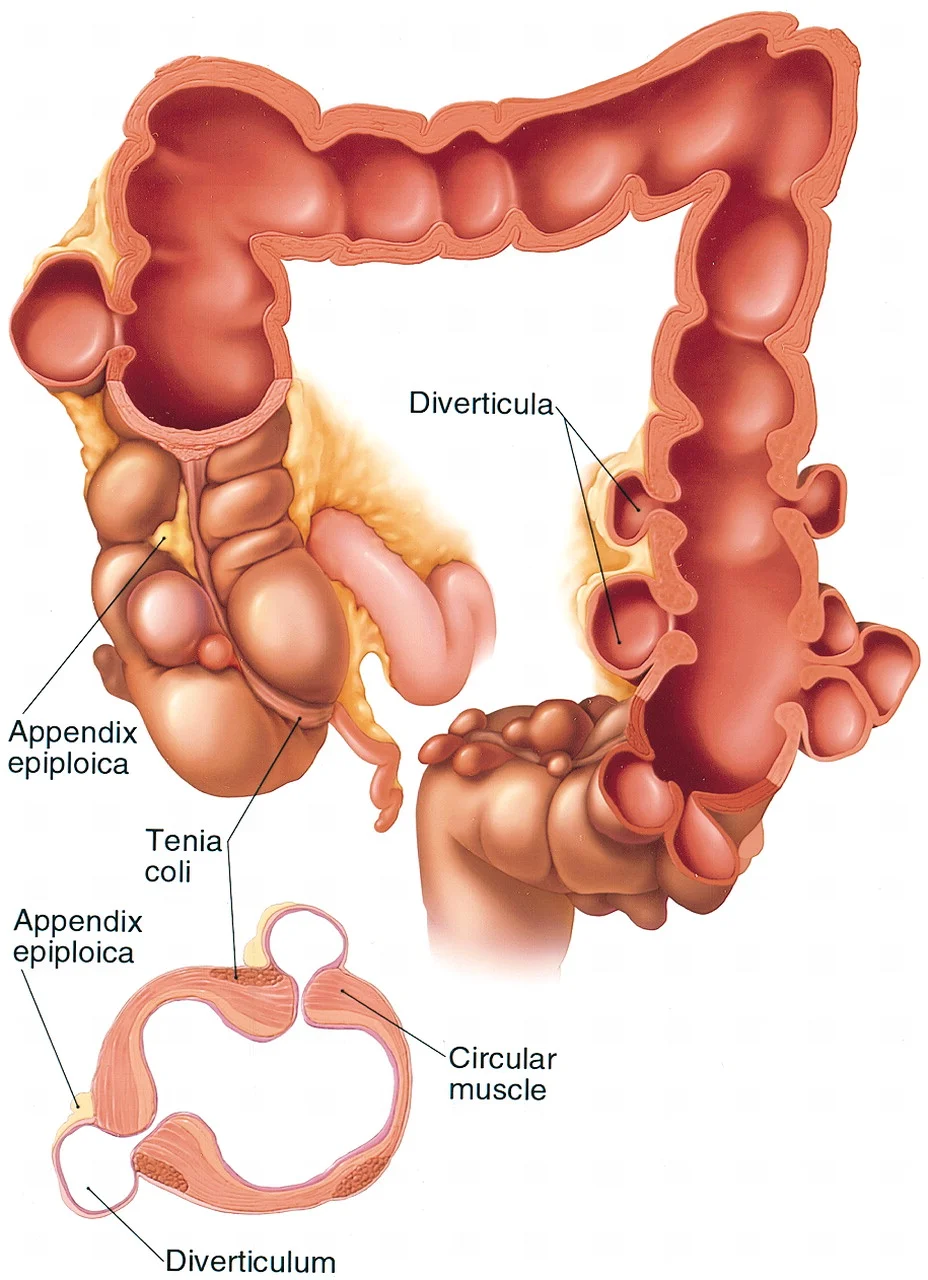
Diverticulitis, an inflammation or infection of small, bulging pouches (diverticula) that form in the lining of the digestive tract, can cause significant discomfort and, in severe cases, serious complications. This article delves into the various treatment approaches for diverticulitis, ranging from conservative management to surgical interventions.
Understanding Diverticulitis and Its Severity
Diverticula are common, particularly after age 40, and their presence alone (diverticulosis) rarely causes problems. However, when these pouches become inflamed or infected, diverticulitis develops. The severity of diverticulitis can vary widely, from mild discomfort to life-threatening complications.
Diverticulitis Treatment & Prevention — Colorectal Clinic of Tampa Bay
Classifying Diverticulitis Severity:
Uncomplicated Diverticulitis: Characterized by localized inflammation and infection, typically managed with conservative treatments.
Complicated Diverticulitis: Involves complications such as abscess formation, perforation, fistula formation, or obstruction. These cases often require more aggressive interventions, including surgery.
Treatment Strategies for Uncomplicated Diverticulitis
The primary goals of treatment for uncomplicated diverticulitis are to alleviate symptoms, resolve the infection, and prevent recurrence.
1. Dietary Modifications
What Is Diverticulitis? Symptoms, Causes, Diagnosis, Treatment
Bowel Rest: During an acute episode, a temporary liquid diet or even complete bowel rest (nothing by mouth) may be recommended to allow the colon to heal. This reduces the workload on the digestive system.
Low-Fiber Diet Transition: After the acute phase subsides, a gradual transition to a low-fiber diet is initiated. This helps to minimize irritation of the colon.
High-Fiber Diet Maintenance: Once symptoms resolve, a long-term high-fiber diet is crucial for preventing future episodes. This includes fruits, vegetables, whole grains, and legumes. Gradual increases in fiber are better tolerated.
Hydration: Adequate fluid intake is essential for maintaining bowel regularity and preventing constipation, which can contribute to diverticulitis.
2. Antibiotic Therapy
Antibiotics are typically prescribed to combat the bacterial infection associated with diverticulitis. The choice of antibiotics depends on the severity of the infection and the presence of any complications.
Common antibiotics used include metronidazole, ciprofloxacin, and amoxicillin-clavulanate.
The duration of antibiotic therapy is usually 7 to 14 days, but this can vary depending on individual circumstances.
3. Pain Management
Over-the-counter pain relievers, such as acetaminophen, can help alleviate mild to moderate pain.
In cases of more severe pain, stronger prescription pain medications may be necessary.
It is generally recommended to avoid nonsteroidal anti-inflammatory drugs (NSAIDs) like ibuprofen or naproxen during acute episodes, as they may increase the risk of complications.
4. Monitoring and Follow-Up
Regular follow-up appointments with a healthcare provider are essential to monitor symptom resolution and ensure complete recovery.
A colonoscopy may be recommended several weeks after the acute episode resolves to rule out other underlying conditions and assess the severity of diverticulosis.
Treatment Strategies for Complicated Diverticulitis
Complicated diverticulitis necessitates more aggressive interventions to address the associated complications and prevent life-threatening consequences.
1. Percutaneous Drainage
If an abscess has formed, percutaneous drainage may be performed. This involves inserting a needle or catheter through the skin and into the abscess to drain the pus.
This procedure is typically done under imaging guidance, such as CT scan or ultrasound.
2. Surgical Interventions
Surgery may be necessary in cases of perforation, fistula formation, obstruction, or severe abscess that cannot be drained percutaneously.
Colon Resection: The most common surgical procedure for diverticulitis is colon resection, which involves removing the diseased portion of the colon.
Primary Bowel Resection: In uncomplicated cases, the surgeon may be able to reconnect the healthy ends of the colon immediately.
Hartmann’s Procedure: In more severe cases, a temporary colostomy may be necessary. This involves bringing the end of the colon out through an opening in the abdomen and attaching it to a bag for stool collection. A second surgery is then performed later to reconnect the colon.
Laparoscopic Surgery: Minimally invasive laparoscopic surgery is often preferred over traditional open surgery, as it results in smaller incisions, less pain, and faster recovery.
Laparotomy: In emergency situations, or when laparoscopic surgery is not feasible, an open laparotomy may be required.
3. Intravenous Antibiotics and Supportive Care
Intravenous antibiotics are administered to combat the severe infection associated with complicated diverticulitis.
Supportive care, such as fluid and electrolyte replacement, is also crucial for maintaining hemodynamic stability.
Preventing Recurrence of Diverticulitis
After recovering from a diverticulitis episode, several lifestyle modifications can help prevent recurrence.
1. High-Fiber Diet
A high-fiber diet remains the cornerstone of long-term prevention.
Gradually increase fiber intake to avoid gas and bloating.
2. Regular Exercise
Regular physical activity promotes bowel regularity and overall health.
3. Maintaining a Healthy Weight
Obesity is a risk factor for diverticulitis, so maintaining a healthy weight is important.
4. Adequate Hydration
Drinking plenty of fluids helps prevent constipation.
5. Probiotics
Some studies suggest that probiotics may help maintain a healthy gut microbiome and reduce the risk of diverticulitis. More research is needed in this area.
6. Smoking Cessation
Smoking is associated with increased diverticulitis risk.
7. Limited Red Meat Intake
Some research suggests limiting red meat consumption.
When to Seek Medical Attention
Seek immediate medical attention if you experience any of the following symptoms:
Severe abdominal pain
Fever
Chills
Nausea and vomiting
Rectal bleeding
Changes in bowel habits, such as constipation or diarrhea that persists for more than a few days
Conclusion
Diverticulitis can range from a mild, self-limiting condition to a severe, life-threatening illness. Early diagnosis and appropriate treatment are essential for preventing complications and ensuring a favorable outcome. By understanding the various treatment options and adopting healthy lifestyle habits, individuals can effectively manage diverticulitis and minimize the risk of recurrence. Always consult with a healthcare professional to determine the most appropriate treatment plan for your specific situation.