
Navigating Diarrhea: Understanding Medications and Treatments
Diarrhea, characterized by loose, watery stools occurring frequently, is a common ailment that can disrupt daily life. While often a short-lived inconvenience, it can sometimes signal a more serious underlying condition. This article delves into the various medications and treatments available to manage diarrhea, providing a comprehensive overview to help you make informed decisions.
Before exploring medications, it’s crucial to understand the diverse causes of diarrhea. These include:
Viral Infections: Rotavirus, norovirus, and adenovirus are frequent culprits, particularly in children.
For mild to moderate diarrhea, OTC medications can provide relief. These generally fall into two categories:
Antimotility Agents
These medications work by slowing down the movement of the intestines, allowing more time for water to be absorbed from the stool.

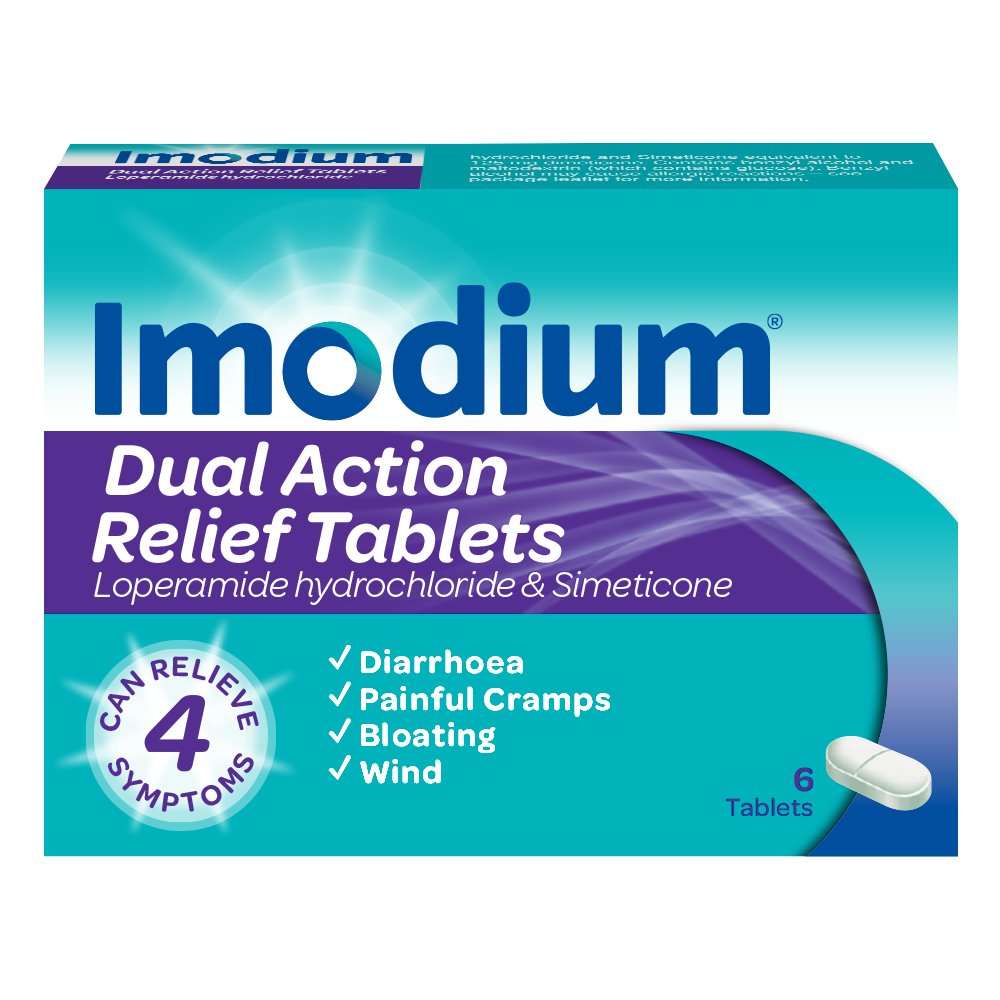
Loperamide (Imodium): This is a widely used antimotility agent that can effectively reduce the frequency of bowel movements. However, it’s not recommended for use in children under two years old or in cases of bloody diarrhea.
Absorbents
These medications work by absorbing excess fluid and toxins in the intestines, forming a firmer stool.

In cases of severe or chronic diarrhea, prescription medications may be necessary.
Antibiotics
Antibiotics are prescribed when diarrhea is caused by a bacterial infection. The specific antibiotic used will depend on the type of bacteria identified. However, antibiotics are not effective against viral diarrhea.
Antiparasitic Medications
If a parasitic infection is the cause of diarrhea, antiparasitic medications will be prescribed.
Medications for Chronic Conditions
For chronic conditions like IBS or IBD, specific medications are used to manage diarrhea and other symptoms.
Eluxadoline (Viberzi): This medication is used to treat diarrhea-predominant IBS.
Regardless of the cause or severity of diarrhea, maintaining hydration is crucial. Diarrhea can lead to significant fluid and electrolyte loss, which can be dangerous, especially in children and the elderly.
ORS: These solutions contain a balanced mix of electrolytes and glucose, helping to replenish lost fluids and prevent dehydration. They are available in pre-packaged forms or can be made at home using a simple recipe.
Certain dietary changes can help manage diarrhea and promote recovery.
BRAT Diet
The BRAT diet, consisting of bananas, rice, applesauce, and toast, is often recommended for mild diarrhea. These foods are bland and easy to digest.
Other Bland Foods
Other bland foods that are gentle on the stomach include boiled potatoes, cooked carrots, and plain crackers.
Foods to Avoid
During diarrhea, it’s essential to avoid foods that can irritate the digestive system, such as:
Dairy products (except for yogurt with live cultures)
Probiotics
Probiotics, which contain beneficial bacteria, can help restore the balance of gut flora and shorten the duration of diarrhea. They are available in various forms, including capsules, powders, and yogurts.
While most cases of diarrhea resolve on their own within a few days, it’s essential to seek medical attention if you experience any of the following:
Severe dehydration (signs include decreased urination, dizziness, and dry mouth)
Preventing diarrhea involves practicing good hygiene and taking precautions to avoid exposure to infectious agents.
Wash hands frequently with soap and water, especially after using the restroom and before preparing food.
Diarrhea is a common and often self-limiting condition. However, understanding its causes and available treatments can help you manage symptoms and promote recovery. By practicing good hygiene, maintaining hydration, and making appropriate dietary changes, you can minimize the impact of diarrhea on your daily life. If you experience severe or persistent diarrhea, it’s crucial to seek medical attention to rule out any underlying conditions. This information is intended for general knowledge and informational purposes only, and does not constitute medical advice. Please consult with a qualified healthcare professional for any health concerns or before making any decisions related to your health or treatment.


