The Uncomfortable Truth About Bloating: Causes, Symptoms, and Solutions
Bloating, that uncomfortable feeling of fullness and tightness in your abdomen, is a common complaint affecting people of all ages. While occasional bloating is often harmless, persistent or severe bloating can significantly impact your quality of life. This comprehensive guide will delve into the various causes of bloating, explore its accompanying symptoms, and offer practical strategies for relief.
Understanding Bloating: More Than Just Gas
Bloating isn’t simply about excess gas. While gas is a frequent culprit, it’s essential to recognize that bloating can stem from a multitude of underlying factors, ranging from simple dietary habits to complex medical conditions.
Answers To Questions About Bloating
Common Causes of Bloating:
Dietary Factors: The Food We Eat
High-Fiber Foods: A Double-Edged Sword
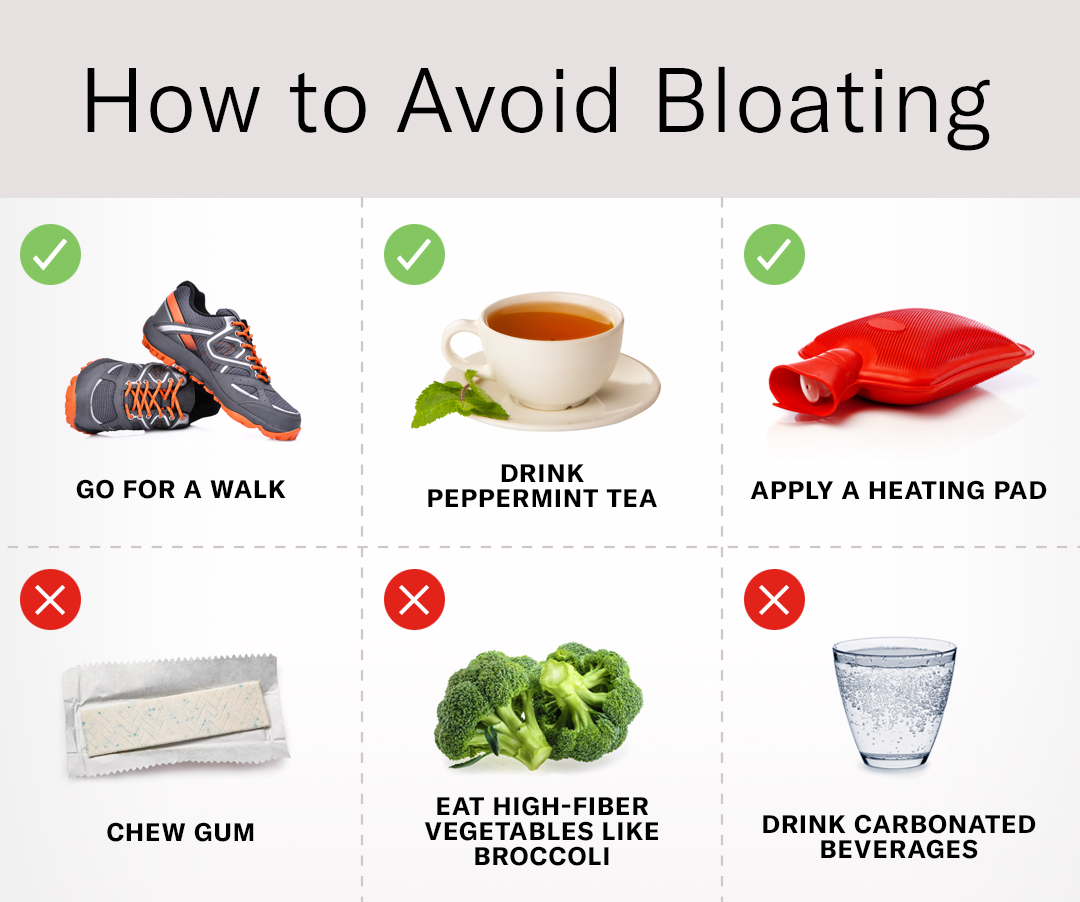
While fiber is crucial for digestive health, rapidly increasing your fiber intake can lead to gas production and bloating. Foods like beans, lentils, broccoli, and whole grains contain complex carbohydrates that bacteria in your gut ferment, producing gas as a byproduct.
Solution: Gradually increase your fiber intake, drink plenty of water, and consider soaking beans and lentils before cooking.
Bloating: Ways to Debloat Now and Treating the Causes
Sodium Intake: Water Retention
Excessive sodium consumption can cause your body to retain water, leading to bloating. Processed foods, fast food, and salty snacks are common culprits.
Carbonated drinks introduce air into your digestive system, which can become trapped and cause bloating.
Solution: Opt for water, herbal tea, or other non-carbonated beverages.
Food Intolerances and Sensitivities
Lactose intolerance (difficulty digesting lactose, the sugar in milk) and gluten sensitivity (sensitivity to gluten, a protein in wheat) are common causes of bloating.
Solution: Identify and eliminate trigger foods from your diet. Consider a food elimination diet or consult a healthcare professional for testing.
Artificial Sweeteners: Gut Disruption
Sugar alcohols like sorbitol and xylitol, commonly found in sugar-free products, can be difficult for the body to digest, leading to gas and bloating.
Solution: Read food labels carefully and limit consumption of products containing artificial sweeteners.
Eating Too Quickly: Swallowing Air
Eating rapidly and not chewing food thoroughly can lead to swallowing excess air, which can contribute to bloating.
Solution: Practice mindful eating, chew your food thoroughly, and eat slowly.
Fatty Foods: Slow Digestion
Fatty foods slow down digestion, which can lead to bloating and discomfort.
Solution: Limit consumption of fried and fatty foods.
Lifestyle Factors: Habits and Hormones
Menstrual Cycle: Hormonal Fluctuations
Many women experience bloating during their menstrual cycle due to hormonal changes, particularly fluctuations in estrogen and progesterone.
Solution: Regular exercise, a balanced diet, and stress management techniques can help alleviate menstrual bloating.
Stress and Anxiety: Gut-Brain Connection
The gut and brain are closely connected, and stress can significantly impact digestive function. Stress can slow down digestion and contribute to bloating.
Solution: Practice stress-reduction techniques such as deep breathing, meditation, or yoga.
Dehydration: Counterintuitive Bloating
Ironically, dehydration can sometimes lead to bloating as the body retains water to compensate for the lack of fluids.
Solution: Drink plenty of water throughout the day.
Sedentary Lifestyle: Slowed Digestion
Lack of physical activity can slow down digestion and contribute to bloating.
Solution: Aim for at least 30 minutes of moderate-intensity exercise most days of the week.
Medical Conditions: Underlying Issues
Irritable Bowel Syndrome (IBS): A Common Culprit
IBS is a chronic digestive disorder characterized by abdominal pain, bloating, gas, and changes in bowel habits.
Solution: Consult a healthcare professional for diagnosis and treatment. Dietary modifications, stress management, and medications can help manage IBS symptoms.
Small Intestinal Bacterial Overgrowth (SIBO): Bacterial Imbalance
SIBO occurs when there is an excessive amount of bacteria in the small intestine, leading to gas production and bloating.
Solution: Consult a healthcare professional for diagnosis and treatment, which may include antibiotics and dietary changes.
Gastroparesis: Delayed Stomach Emptying
Gastroparesis is a condition in which the stomach empties slowly, leading to bloating, nausea, and vomiting.
Solution: Consult a healthcare professional for diagnosis and treatment.
Celiac Disease: Gluten Intolerance
Celiac disease is an autoimmune disorder triggered by gluten, leading to damage to the small intestine and symptoms like bloating, abdominal pain, and diarrhea.
Solution: Strict adherence to a gluten-free diet.
Ovarian Cysts: Fluid Accumulation
In some cases, ovarian cysts can cause abdominal bloating and discomfort.
Solution: Consult a gynecologist for diagnosis and treatment.
Ascites: Fluid in the Abdomen
Ascites is the accumulation of fluid in the abdominal cavity, often caused by liver disease or heart failure. This is a serious condition.
Solution: Immediate medical attention is required.
Constipation: Stool Buildup
Constipation can lead to bloating because stool remains in the colon.
Solution: Increase fiber and water intake, and exercise regularly.
Certain Medications: Side Effects
Some medications, such as certain pain relievers, antidepressants, and iron supplements, can cause bloating as a side effect.
Solution: Discuss medication side effects with your doctor.
Recognizing the Symptoms of Bloating:
Bloating is often accompanied by a range of symptoms, including:
Abdominal distension or swelling
Feeling of fullness or tightness
Gas and belching
Abdominal pain or discomfort
Nausea
Changes in bowel habits (constipation or diarrhea)
Strategies for Relieving Bloating:
Dietary Adjustments: Food as Medicine
Identify and eliminate trigger foods.
Increase fiber intake gradually.
Reduce sodium intake.
Limit carbonated beverages and artificial sweeteners.
Practice mindful eating and chew food thoroughly.
Drink plenty of water.
Consider a low-FODMAP diet (under the guidance of a healthcare professional).
Lifestyle Modifications: Healthy Habits
Engage in regular physical activity.
Manage stress through relaxation techniques.
Get adequate sleep.
Avoid smoking.
Over-the-Counter Remedies: Temporary Relief
Gas relief medications containing simethicone or activated charcoal.
Probiotics to support gut health.
Digestive enzymes to aid in digestion.
Medical Interventions: When to Seek Help
If bloating is severe, persistent, or accompanied by other concerning symptoms, such as:
Severe abdominal pain
Blood in stool
Unexplained weight loss
Persistent vomiting
Fever
Changes in bowel habits that last for more than a few weeks.
It is vital to consult a healthcare professional. They can diagnose the underlying cause of your bloating and recommend appropriate treatment.
In Conclusion:
Bloating is a common and often manageable condition. By understanding its various causes, recognizing its symptoms, and implementing appropriate strategies, you can significantly reduce bloating and improve your overall digestive health. Remember that persistent or severe bloating warrants medical attention. Prioritizing a healthy lifestyle, including a balanced diet, regular exercise, and stress management, is key to maintaining a healthy and comfortable digestive system.

:max_bytes(150000):strip_icc()/Bloating-WaystoDebloatNowandTreatingCauses-v1-38b2e5af3e1f46a294991066dbedd827.png "image.title")


