Navigating a Week of Diarrhea: Causes, Management, and When to Seek Help
Experiencing diarrhea for a week can be distressing and disruptive. While acute diarrhea often resolves within a few days, persistent diarrhea lasting a week or longer warrants careful attention. This article aims to provide a comprehensive overview of the potential causes, effective management strategies, and crucial signs that necessitate professional medical intervention.
Understanding Diarrhea:
Diarrhea is characterized by loose, watery stools occurring three or more times a day. It can be accompanied by abdominal cramps, bloating, urgency, and sometimes nausea or vomiting. Prolonged diarrhea can lead to dehydration, electrolyte imbalances, and nutritional deficiencies.
Diarrhea: Causes, Symptoms & Treatment
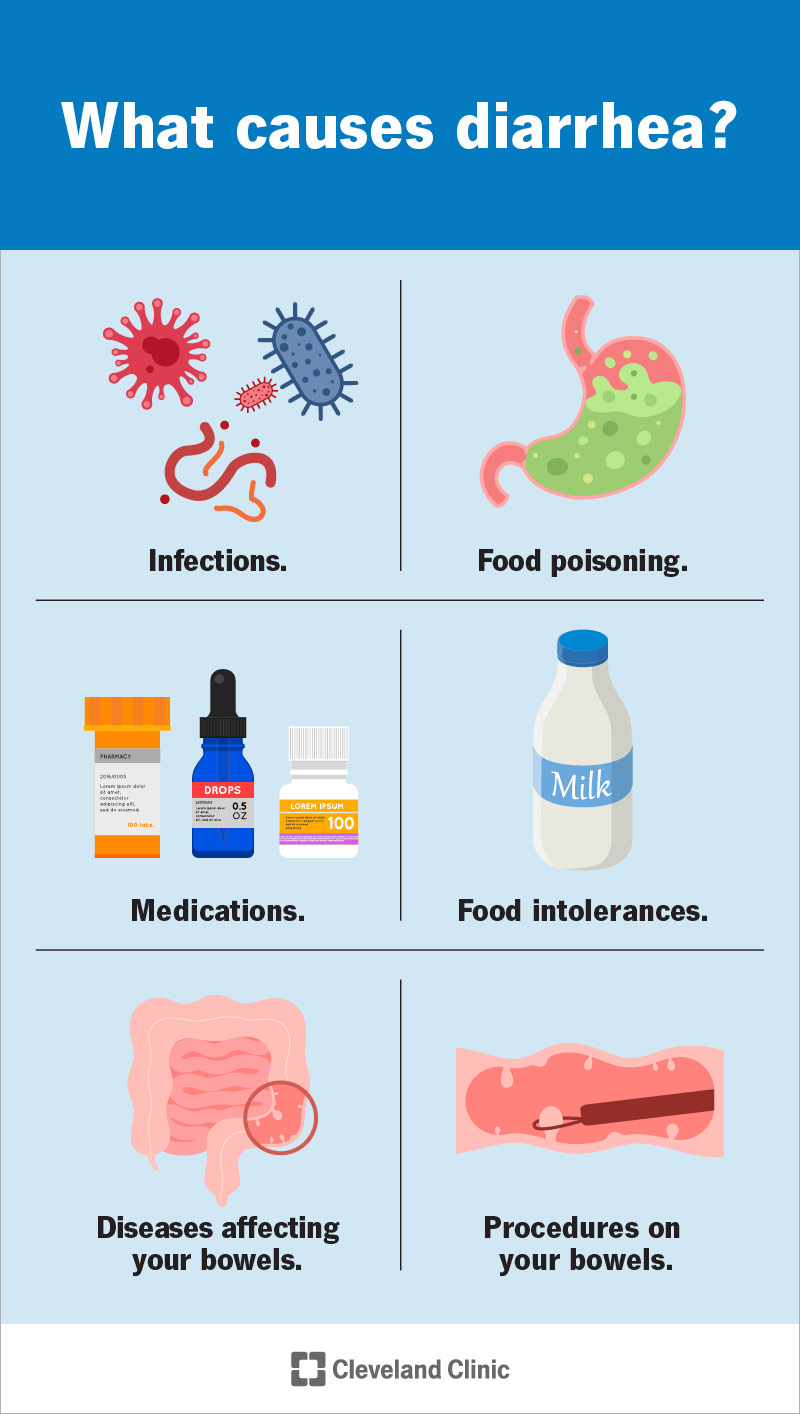
Potential Causes of Week-Long Diarrhea:
Several factors can contribute to diarrhea lasting a week or more. Identifying the underlying cause is crucial for effective management.
Infections:
Viral Gastroenteritis: While most viral gastroenteritis (like rotavirus or norovirus) resolves within a few days, some viral infections can linger, especially in individuals with weakened immune systems.
Bacterial Infections: Bacteria such as Salmonella, Campylobacter, E. coli, and C. difficile can cause persistent diarrhea. C. difficile is especially concerning as it can lead to severe colitis.
Parasitic Infections: Parasites like Giardia lamblia, Cryptosporidium, and Entamoeba histolytica can cause prolonged diarrhea, particularly in areas with poor sanitation or after consuming contaminated food or water.
Diarrhea: Causes and Risk Factors
Food-Related Causes:
Food Intolerance: Lactose intolerance, gluten sensitivity (celiac disease or non-celiac gluten sensitivity), and other food intolerances can cause chronic diarrhea.
Food Allergies: Severe food allergies can trigger gastrointestinal symptoms, including diarrhea, although these are often accompanied by other allergic reactions.
Food Poisoning: While most food poisoning incidents resolve quickly, some bacterial toxins can cause prolonged symptoms.
Medications and Supplements:
Antibiotics: Antibiotics can disrupt the balance of gut bacteria, leading to antibiotic-associated diarrhea.
Laxatives: Overuse or misuse of laxatives can cause chronic diarrhea.
Other Medications: Certain medications, such as some antidepressants, antacids, and nonsteroidal anti-inflammatory drugs (NSAIDs), can also cause diarrhea as a side effect.
Supplements: Certain vitamin or herbal supplements can cause diarrhea.
Gastrointestinal Disorders:
Inflammatory Bowel Disease (IBD): Crohn’s disease and ulcerative colitis are chronic inflammatory conditions that can cause persistent diarrhea, abdominal pain, and other symptoms.
Irritable Bowel Syndrome (IBS): IBS is a functional gastrointestinal disorder that can cause diarrhea-predominant IBS (IBS-D), characterized by frequent loose stools.
Microscopic Colitis: This condition causes inflammation of the colon lining, leading to chronic watery diarrhea.
Small Intestinal Bacterial Overgrowth (SIBO): An overgrowth of bacteria in the small intestine can cause diarrhea, bloating, and abdominal discomfort.
Malabsorption Syndromes: Conditions like celiac disease, pancreatic insufficiency, and bile salt malabsorption can impair nutrient absorption, leading to diarrhea.
Hyperthyroidism: An overactive thyroid can cause increased bowel motility, leading to diarrhea.
Diabetes: Diabetic neuropathy can affect the digestive system, causing diarrhea or constipation.
Other Potential Causes:
Stress and Anxiety: Psychological stress can affect gut motility and contribute to diarrhea.
Traveler’s Diarrhea: Exposure to new pathogens while traveling can cause prolonged diarrhea.
Post-Infectious IBS: Sometimes, after a gastrointestinal infection resolves, IBS-like symptoms can persist.
Managing Diarrhea at Home:
While seeking medical advice is essential, several home care strategies can help manage diarrhea symptoms and prevent complications.
Rehydration:
Dehydration is a significant risk with prolonged diarrhea. Replenish lost fluids and electrolytes by drinking oral rehydration solutions (ORS), clear broths, or electrolyte-rich beverages.
Avoid sugary drinks, as they can worsen diarrhea.
Drink small amounts of fluids frequently.
Dietary Adjustments:
Follow the BRAT diet (bananas, rice, applesauce, toast) initially, as these foods are gentle on the stomach.
Gradually introduce bland, easily digestible foods like cooked carrots, plain potatoes, and boiled chicken.
Avoid fatty, greasy, spicy, and dairy products until symptoms improve.
Consider a low-FODMAP diet if IBS is suspected.
Over-the-Counter Medications:
Loperamide (Imodium) can help slow down bowel movements, but use it cautiously and avoid long-term use without medical advice.
Bismuth subsalicylate (Pepto-Bismol) can help relieve diarrhea and nausea, but it is not suitable for everyone.
Probiotics:
Probiotics may help restore the balance of gut bacteria and shorten the duration of diarrhea.
Choose reputable brands and consult with a healthcare professional before using probiotics.
When to Seek Medical Attention:
While home care can be effective for mild cases, certain symptoms warrant immediate medical attention.
Severe Dehydration:
Signs of severe dehydration include dizziness, lightheadedness, decreased urination, dark urine, and rapid heartbeat.
Blood in Stool or Rectal Bleeding:
Blood in the stool can indicate a serious infection or other gastrointestinal problem.
High Fever:
A fever of 102°F (38.9°C) or higher can suggest a bacterial infection.
Severe Abdominal Pain:
Intense abdominal pain can indicate a serious underlying condition.
Persistent Vomiting:
Inability to keep down fluids can lead to dehydration.
Diarrhea Lasting Longer Than a Week:
Prolonged diarrhea requires evaluation to determine the underlying cause.
Weakened Immune System:
Individuals with weakened immune systems are at higher risk of complications from diarrhea.
Recent Travel:
If you have recently traveled to an area with poor sanitation and developed diarrhea, seek medical care.
Suspected C. difficile infection:
If you have recently taken antibiotics and develop severe diarrhea, especially if it has a foul odor, seek immediate medical attention.
Diagnostic Tests:
To determine the cause of prolonged diarrhea, your doctor may recommend the following tests:
Stool culture: To identify bacterial, viral, or parasitic infections.
Blood tests: To check for electrolyte imbalances, inflammation, and other abnormalities.
Colonoscopy or sigmoidoscopy: To visualize the colon and identify inflammation or other abnormalities.
Endoscopy: to examine the upper digestive tract.
Breath tests: To diagnose SIBO or lactose intolerance.
Imaging studies (CT scan, ultrasound): To visualize abdominal organs.
Treatment:
Treatment for prolonged diarrhea depends on the underlying cause.
Infections: Antibiotics, antiparasitic medications, or antiviral medications may be prescribed.
Food intolerances or allergies: Dietary modifications are essential.
IBD: Medications to reduce inflammation and manage symptoms.
IBS: Dietary changes, stress management, and medications to manage symptoms.
Other conditions: Treatment will be tailored to the specific diagnosis.
Prevention:
Practice good hygiene, including frequent handwashing.
Cook food thoroughly and avoid consuming raw or undercooked foods.
Drink bottled or purified water when traveling to areas with poor sanitation.
Get vaccinated against rotavirus and other preventable infections.
Manage stress and maintain a healthy lifestyle.
A week of diarrhea is not something to ignore. By understanding the potential causes, implementing effective management strategies, and knowing when to seek medical attention, you can navigate this challenging experience and regain your health.

:max_bytes(150000):strip_icc()/causes-of-diarrhea-sudden-or-chronic-1324505-5bb7c1e8c9e77c0026b0f77a.png "image.title")


