
—
What Exactly Are insurance Comparison Sites?
At their core, insurance comparison sites are digital platforms that let you compare insurance quotes from multiple providers at once. Instead of going to each company’s website one by one, filling out the same form over and over, you enter your information just once. The site then uses that data to pull quotes from dozens of insurance carriers, giving you a list of options to review side-by-side. 📋
This isn’t a new concept, but the technology has gotten so good that the process is now incredibly fast and accurate. These sites typically work with a wide range of insurance companies, from the big names you see in commercials to smaller, more specialized insurers. This means you’re not just comparing a handful of options, but a much larger pool of potential policies.
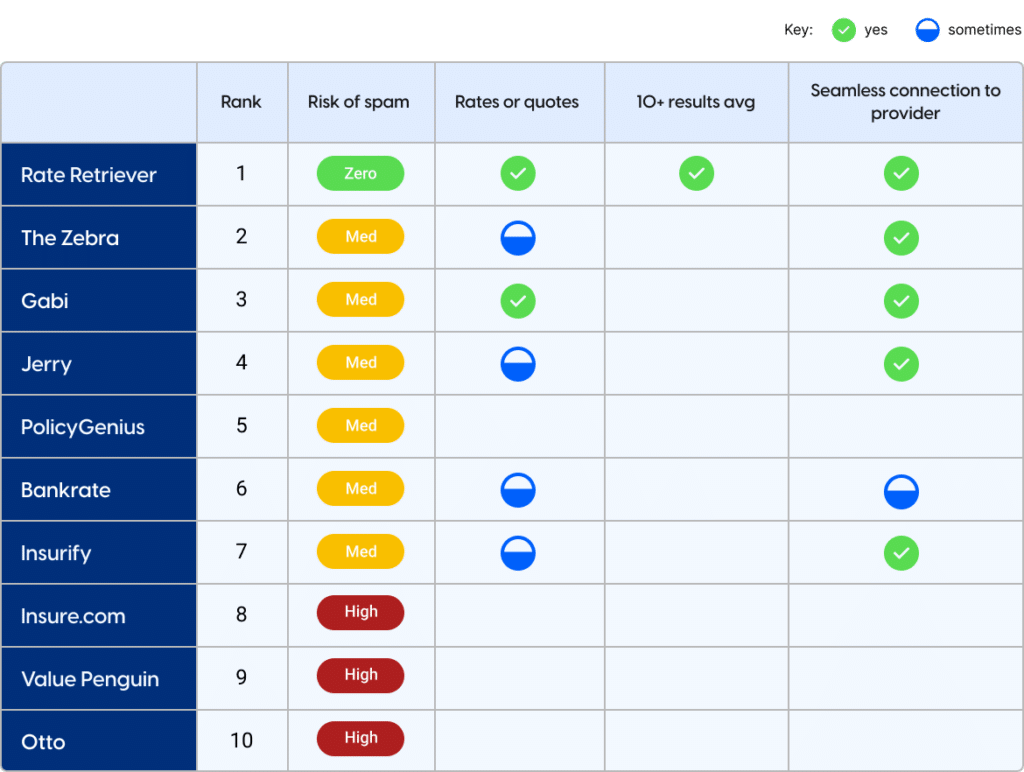
The main types of insurance you can compare on these sites are auto, homeowners, renters, and life insurance. Some sites also offer comparisons for specialty policies like pet, travel, or business insurance. The sheer variety is what makes them so valuable.
—
Why Use a Comparison Site? The Benefits are Huge
Let’s break down the main reasons why people love these sites. The biggest one is, without a doubt, saving money. When you’re only getting quotes from one or two companies, you’re missing out on the possibility of a much lower rate from a company you’ve never heard of. Comparison sites bring those hidden gems to light. It’s not uncommon for people to save hundreds of dollars a year, sometimes more, just by taking a few minutes to compare.
Another major benefit is the time savings. Imagine how long it would take to visit 10 different insurance company websites, each with its own unique questionnaire. Comparison sites streamline this process into a single, efficient task. In the time it takes to brew a pot of coffee, you can have a full list of quotes ready to go.
They also offer incredible transparency. When you’re presented with a list of quotes, you can see not only the price but also the coverage details, deductibles, and other key features. This makes it easier to do a true apples-to-apples comparison. You can quickly spot which policy gives you the best value, not just the lowest price. For example, one policy might be slightly more expensive but include roadside assistance or accident forgiveness, which could be worth the extra cost.
Finally, these sites help you feel more empowered. The insurance world can be confusing, with all the jargon and policy fine print. Comparison sites simplify the process, giving you the information you need to make an informed decision without feeling pressured. You’re in control of the search, and you can take your time to choose the best option for your unique situation.
—
How to Get the Best Results
To get the most out of a comparison site, you need to be prepared. Before you start, gather all the necessary information. For car insurance, this includes details about all drivers in your household, their driving records, and the make, model, and VIN of your vehicle. For home or renters insurance, you’ll need information about your property, including its age, location, and any special features or safety measures like a security system.
When you’re entering your information, be as accurate as possible. Even small details can affect your quote. Make sure to use the same coverage limits and deductibles for each quote you compare. This is crucial for an accurate comparison. If one quote is for a $500 deductible and another is for a $1,000 deductible, the prices won’t be comparable. Most sites make it easy to adjust these settings to ensure you’re comparing policies with the same level of coverage.
Don’t just look at the price. While getting the lowest rate is often the goal, the cheapest policy isn’t always the best. Look at the insurer’s reputation. How are their customer service reviews? What’s their financial rating? You can find this information on sites like J.D. Power or A.M. Best. A company with a good reputation is more likely to handle your claim efficiently if you ever need to file one.
Also, check for discounts. Comparison sites will often apply standard discounts, but there might be others you qualify for that aren’t automatically included. Some common discounts include:
Bundling (combining home and auto insurance)
Asking about these can help you fine-tune your quotes and save even more money.
—
What to Watch Out For
While insurance comparison sites are a fantastic tool, they’re not perfect. One thing to be aware of is that not every single insurance company is on every single site. Some insurers, like certain local or specialized providers, might not be included in the search results. This is why it can still be a good idea to check with a few other companies directly, especially if you’re looking for a very specific type of coverage.
Another point to remember is that the initial quote you see is an estimate. The final price may change slightly once you get a firm quote directly from the insurance company. This can happen if some of the information you provided was slightly off, or if the insurer has additional questions.
Finally, while these sites are great for getting quotes, they are typically not insurance brokers. They don’t give you personal advice. Their role is to provide you with options based on your input. It’s up to you to review the details and decide which policy is the best fit. If you’re unsure about what kind of coverage you need, it’s always a good idea to do some extra research or consult with an independent insurance agent.
—
The Future of Insurance Shopping
The rise of insurance comparison sites is part of a larger trend in the financial industry: using technology to empower consumers. As these platforms get more sophisticated, we can expect them to offer even more personalized results and a wider range of services. We’re already seeing sites that use AI to analyze your needs and recommend specific policies, and that’s just the beginning.
:max_bytes(150000):strip_icc()/Life-Insurance-a8aee8e3024145a8b454ea19df030418.png?resize=200,135&ssl=1 "A Guide To Understanding Life Insurance")

:max_bytes(150000):strip_icc()/GettyImages-1328171458-5b2c06f6aaf241388c8718208fb65540.jpg?resize=200,135&ssl=1 "Your Guide To Understanding Car Insurance")
