
This type of insurance is meant to provide a cushion so you can focus on what’s most important: getting better. The last thing you want to worry about when you’re fighting for your health is how you’re going to pay your bills. A critical illness payout gives you the freedom to take time off work, hire home help, or make changes to your home to accommodate your new needs. It’s a proactive step to protect your financial future against the unexpected.
—
What Exactly Is a Critical Illness?
It’s a common misconception that critical illness cover will pay out for any serious health issue. In reality, the policy covers a pre-defined list of severe illnesses. The list of covered conditions will be clearly outlined in your policy documents. While the exact list varies between insurers, most policies include the big three: cancer, heart attack, and stroke.
Beyond these, a typical policy might also cover conditions like multiple sclerosis, kidney failure, major organ transplants, and paralysis. Some policies even include less common but still serious conditions like blindness, deafness, and the loss of a limb. It’s crucial to read the fine print and understand exactly which conditions are covered. Some policies might have specific criteria for the severity of the illness. For instance, a policy might only pay out for a heart attack that causes a certain amount of heart damage, or for a cancer that has progressed beyond a very early stage. Understanding these details upfront can save you from a nasty surprise later.
—
How Does the Payout Process Work?
Getting paid by a critical illness policy is fairly straightforward. If you’re diagnosed with one of the covered illnesses, you or your family simply file a claim with the insurance company. You’ll need to provide medical documentation from your doctor to confirm the diagnosis. The insurer will review your claim and, once they confirm that your condition meets the policy’s criteria, they will pay out the lump sum.
The money isn’t paid out over time like an income protection plan; it’s a one-time, significant payment. The amount you receive is based on the coverage amount you chose when you purchased the policy. This could be anywhere from a few thousand dollars to a million or more, depending on your needs and budget. Once you’ve received the payment, the policy is typically considered fulfilled and it terminates. This means you can’t claim for the same or a different critical illness again under that same policy.
—
Who Should Consider Critical Illness Cover?
Critical illness cover isn’t for everyone, but it’s a particularly good idea for people who would face financial hardship if they couldn’t work due to a serious illness. If you’re self-employed, for example, a serious illness could bring your income to a complete halt. Without sick pay or an employer to fall back on, a critical illness payout could be your lifeline.
It’s also a smart move if you have a family that depends on your income. A serious illness can quickly drain a family’s savings and put a major strain on their budget. The payout from a critical illness policy can help keep the household running smoothly while you recover. Even if you have a partner who works, the financial strain of a serious illness can be immense, and a lump sum can help prevent a crisis.
Consider your own financial situation. Do you have a large emergency fund? Do you have a long-term disability plan through your employer? If the answer is no, or if your savings wouldn’t last long, then critical illness cover is worth a serious look. It’s not about being pessimistic; it’s about being prepared.
—
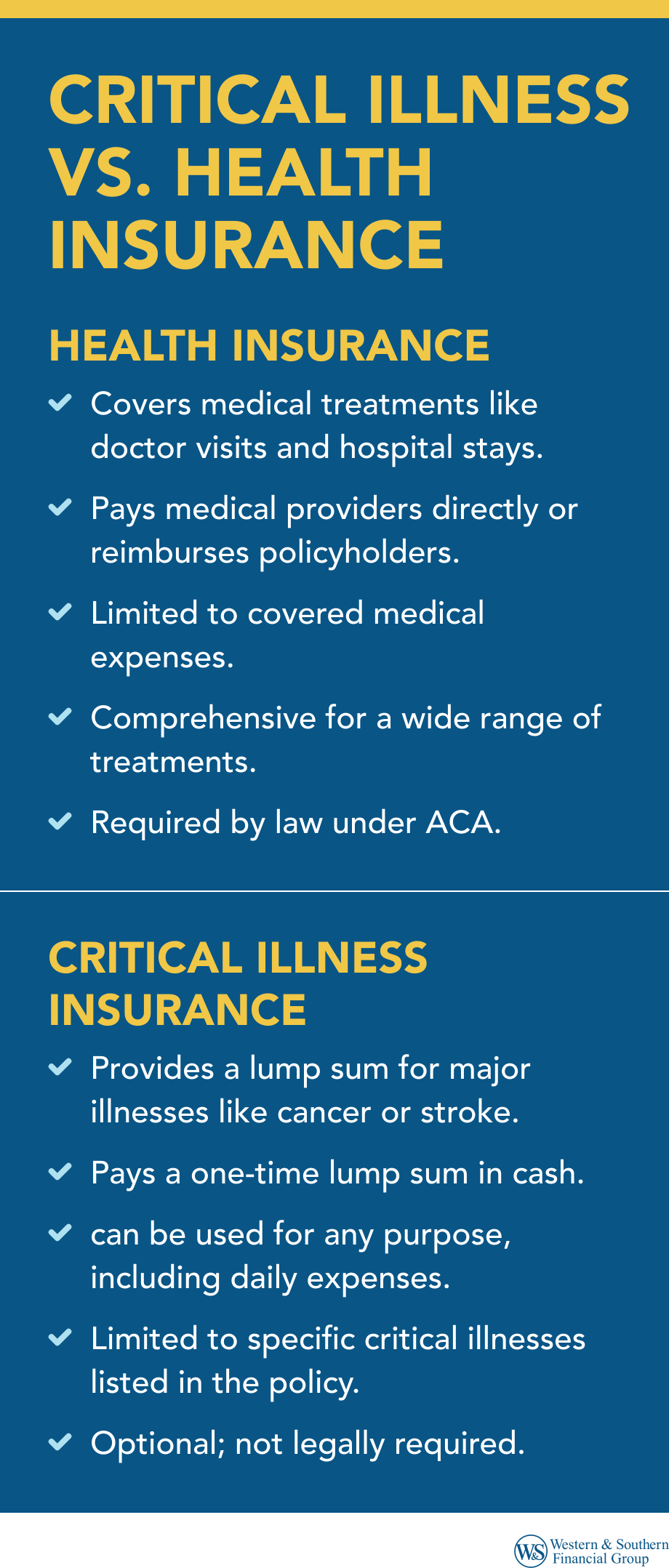
How Is It Different from Other Types of Insurance?
It’s easy to get confused by the different types of insurance out there, but it’s important to know the difference between critical illness cover and similar products.
Understanding these distinctions is key to building a comprehensive financial protection plan. Many people choose to have a combination of these policies to ensure they are covered from all angles.
—
Things to Consider Before You Buy
Choosing the right critical illness policy can feel overwhelming, but a little homework goes a long way. The first step is to shop around and compare policies. Don’t just go with the first quote you get. Different insurers offer different coverage levels and different lists of covered illnesses.
Read the policy documents carefully. Pay close attention to the exclusions and waiting periods. Many policies have a waiting period, meaning you can’t claim for a certain period (e.g., 90 days) after you purchase the policy. They may also have exclusions for pre-existing conditions. If you have a history of a particular illness in your family, be sure to ask how that might affect your coverage.
Consider the amount of coverage you need. How much would you need to keep your finances afloat for a year or two if you couldn’t work? Factor in your mortgage or rent, bills, groceries, and any other expenses you would have. It’s better to have a little more than you need than to have a payout that only covers a few months.
:max_bytes(150000):strip_icc()/Life-Insurance-a8aee8e3024145a8b454ea19df030418.png?resize=200,135&ssl=1 "A Guide To Understanding Life Insurance")

:max_bytes(150000):strip_icc()/GettyImages-1328171458-5b2c06f6aaf241388c8718208fb65540.jpg?resize=200,135&ssl=1 "Your Guide To Understanding Car Insurance")
