
Ever think about what happens if you need help with everyday things as you get older? We’re talking about stuff like bathing, dressing, or even just getting out of bed. These are the kinds of services that long-term care insurance is designed to help you pay for. It’s a topic that might seem a bit distant, but it’s one of those things you’re better off thinking about sooner rather than later.
So, What Exactly is Long-Term Care?
Long-term care isn’t just about being in a nursing home. It’s a wide range of services and support for people who need help with daily activities. This could be due to a chronic illness, a disability, or just the natural aging process. The help can be provided in different settings, like:
Your own home: A lot of people prefer to stay in their own space. This is often where in-home care comes in, with a professional coming to help you out.
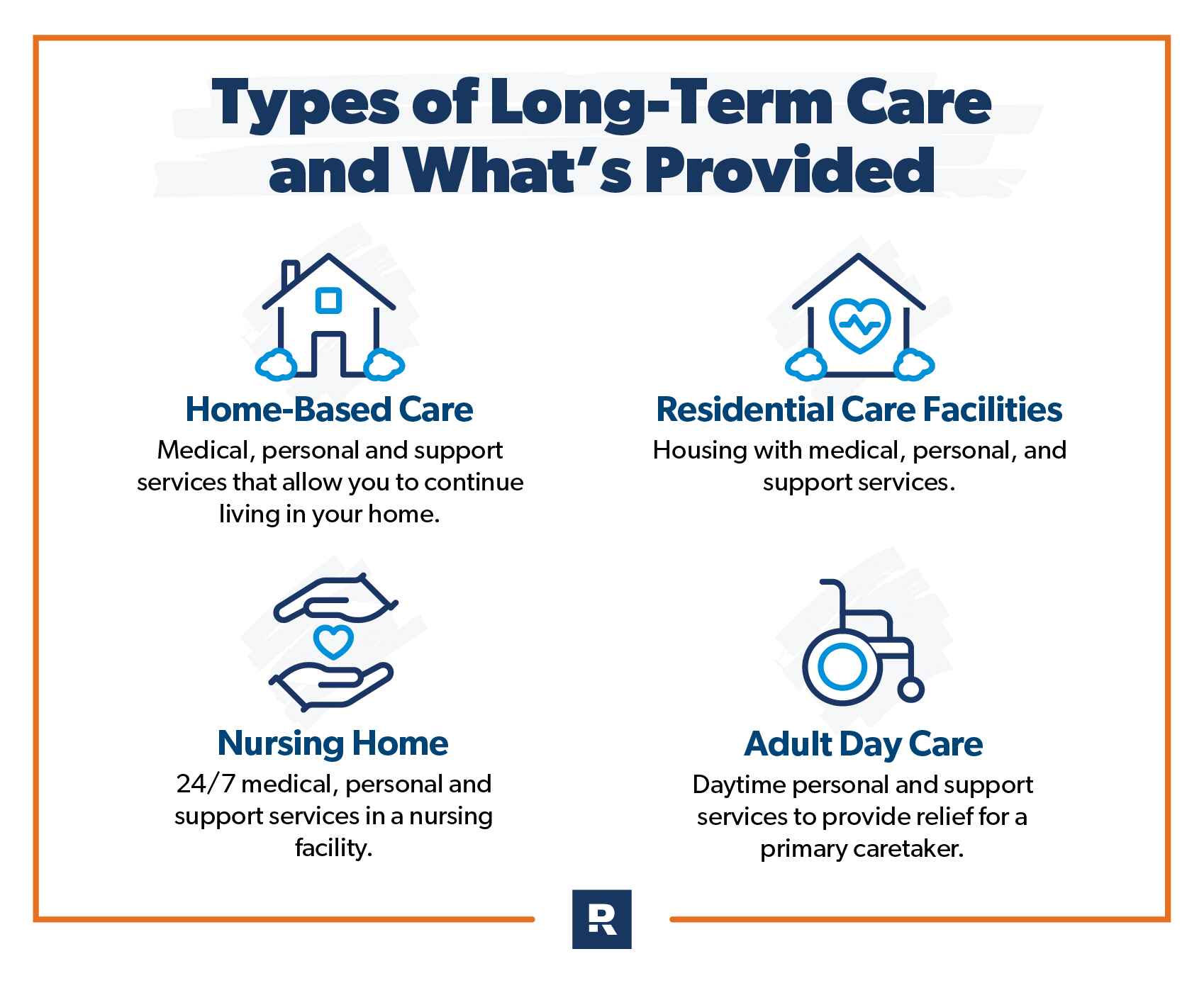
The key thing to remember is that long-term care is typically not medical care. It’s about providing assistance with what are called “Activities of Daily Living” (ADLs). These include things like eating, dressing, bathing, and using the toilet.
Why is This a Big Deal? The Cost. 💰
Let’s be real, these services are not cheap. The cost of long-term care can quickly add up, and it’s something that can put a huge strain on your savings. The average cost of a private room in a nursing home is well over $100,000 a year, and even in-home care can cost tens of thousands annually. Now, imagine needing that for several years. It’s a cost that can wipe out a lifetime of savings in a flash.
This is where many people get confused. They think Medicare will cover it. And while Medicare is a lifesaver for many things, it generally doesn’t cover long-term care. It’s designed to cover short-term, skilled nursing care after a hospital stay, not ongoing custodial care. Similarly, regular health insurance plans usually don’t cover it either. The only government program that might cover it is Medicaid, but that’s a program for people with very limited income and assets, meaning you’d have to spend down most of your money to qualify.
How Does Long-Term Care Insurance Work?
Think of long-term care insurance as a way to protect your assets and give you more choices about where you receive care. It’s a special type of insurance that helps cover the costs of these services. You pay a premium, either monthly or annually, and if you ever need long-term care, the policy will pay out a benefit.
The key features of these policies are:
Daily Benefit Amount: This is the maximum amount the policy will pay out per day for your care. You can choose a higher or lower amount based on your needs and budget.
When Should You Start Thinking About It?
This is a big question. The best time to buy long-term care insurance is typically in your mid-50s or early 60s. Here’s why:
Premiums are lower: The younger and healthier you are when you buy the policy, the lower your premiums will be.
Waiting until you’re in your 70s or 80s to think about it is often too late. By then, the premiums can be astronomical, and your health might make you ineligible.
The Different Kinds of Policies
Long-term care insurance isn’t a one-size-fits-all product. There are a few different types of policies out there:
Traditional Policies: This is the classic, standalone long-term care insurance. You pay a premium, and if you need care, you get the benefits. If you never need care, you don’t get your premiums back.
The Pros and Cons
Like any financial product, long-term care insurance has its upsides and downsides.
Pros:
Peace of Mind: Knowing you have a plan for a potential future need can give you and your family a huge sense of security.
Cons:
Cost: The premiums can be expensive, and they can increase over time.
What’s the Final Word?
Long-term care insurance is a serious topic, but it’s not one to be ignored. It’s a way to plan for a future that’s uncertain and to make sure you have the resources and freedom to get the care you need, wherever you want it. It’s not about being a pessimist; it’s about being prepared. It’s about protecting your financial future and giving yourself and your loved ones peace of mind.
:max_bytes(150000):strip_icc()/Life-Insurance-a8aee8e3024145a8b454ea19df030418.png?resize=200,135&ssl=1 "A Guide To Understanding Life Insurance")

:max_bytes(150000):strip_icc()/GettyImages-1328171458-5b2c06f6aaf241388c8718208fb65540.jpg?resize=200,135&ssl=1 "Your Guide To Understanding Car Insurance")
