
So, you’ve heard the buzz about flood insurance, maybe seen a news report or two, or perhaps your friend just moved into a new place and is talking about it. The topic can sound a bit complicated and dry, but it’s actually a really important part of protecting your home and your financial well-being. Think of this as a friendly chat over coffee, where we break down what flood insurance is, why it matters, and how you can figure out if it’s something you need.
Let’s start with the basics. What exactly is a “flood” in the eyes of an insurance company? It’s not just a leaky faucet or a burst pipe. A flood is defined as a general and temporary condition of partial or complete inundation of two or more acres of normally dry land area, or of two or more properties (one of which is yours!). This can be caused by overflowing rivers, tidal surges, mudflows, or even just heavy rain that pools up and enters your home.
Now, here’s a common misconception that catches many people off guard: your standard homeowner’s insurance policy probably doesn’t cover flood damage. That’s right. While it’s a lifesaver for things like fires, windstorms, and theft, it generally has a big, glaring exclusion for anything related to water from the outside. This is a crucial point because a single inch of water can cause tens of thousands of dollars in damage to your home, including your floors, walls, and personal belongings.
So, why do we need a separate policy for floods? The answer lies in the nature of the risk. Floods are catastrophic, widespread events that can affect entire communities at once. The risk is different from a house fire, for example, which is typically an isolated incident. To manage this unique risk, a separate system was created: the National Flood Insurance Program (NFIP). The NFIP is managed by FEMA, and it’s the primary way most people in the United States get flood insurance. While there are also some private flood insurance options available, the NFIP is the most common and widely recognized.
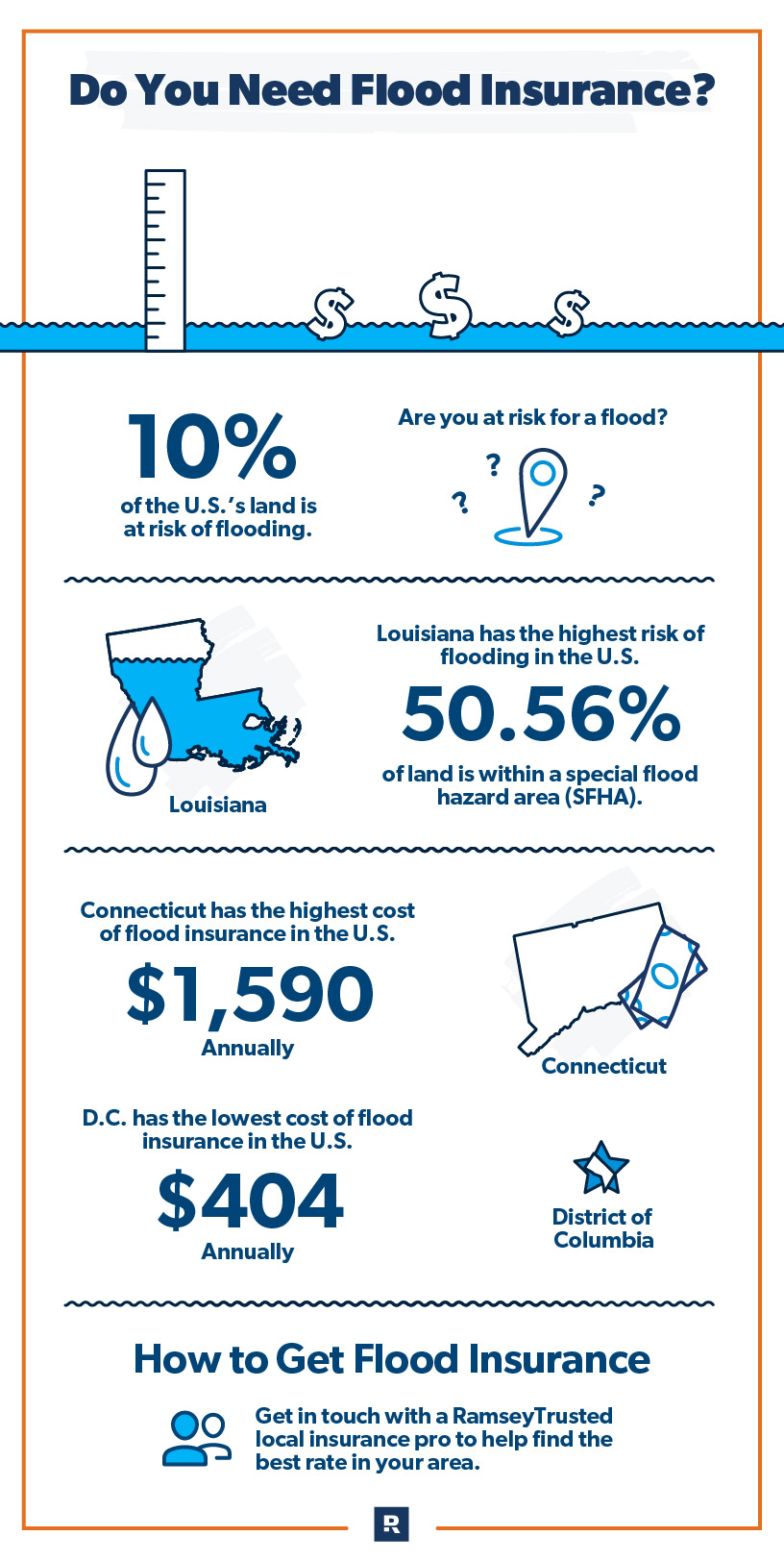
Now, let’s talk about whether you need it. The most obvious answer is if you live in a high-risk flood zone. You can easily check your home’s flood risk by going to the FEMA flood map service center. Just punch in your address, and it will show you your property’s flood risk level. If you’re in a high-risk area, and you have a mortgage from a federally regulated lender, you’re likely required to have flood insurance. It’s a condition of the loan because the lender wants to protect their investment—your home.
But here’s the thing: flood risk isn’t just about being in a high-risk zone. A significant percentage of all flood claims come from properties located in low-to-moderate risk zones. Why? Because water doesn’t follow a map. A sudden, intense storm can cause flash flooding in an area that’s never seen it before. New construction, changes in land use, or even just clogged storm drains can change the way water behaves in your neighborhood. This is why many people who aren’t required to have flood insurance still choose to get it. It’s a proactive step to protect against the unexpected. Think of it as an umbrella for a sunny day, just in case a storm rolls in.
So, how does it all work? Flood insurance, whether from the NFIP or a private company, typically covers both your building and your personal belongings. The building coverage, or “structural coverage,” helps with the cost of repairing or rebuilding your home’s foundation, walls, electrical and plumbing systems, and appliances like your furnace and water heater. The contents coverage helps you replace your furniture, clothing, electronics, and other personal items that are damaged by a flood. It’s important to note that these are usually two separate coverage amounts, so you need to make sure you have enough of both.
The cost of flood insurance can vary a lot. It’s based on a number of factors, including your home’s flood zone, the elevation of your property, and how your home is built (for example, if it has a basement or is on a raised foundation). FEMA has been rolling out a new pricing system called Risk Rating 2.0, which aims to make flood insurance rates more equitable and better reflect a property’s actual flood risk. This means that for some people, rates might go down, while for others, they might go up, but the goal is to make the price a more accurate reflection of the risk you’re facing.
Getting a policy is usually pretty straightforward. You can talk to your existing homeowner’s insurance agent, who can help you get a quote and walk you through the process. There’s typically a 30-day waiting period from the date you purchase the policy until it goes into effect, so it’s not something you can buy in a panic as a storm is approaching. This is another reason to be proactive and think about it now, rather than later.
:max_bytes(150000):strip_icc()/Life-Insurance-a8aee8e3024145a8b454ea19df030418.png?resize=200,135&ssl=1 "A Guide To Understanding Life Insurance")

:max_bytes(150000):strip_icc()/GettyImages-1328171458-5b2c06f6aaf241388c8718208fb65540.jpg?resize=200,135&ssl=1 "Your Guide To Understanding Car Insurance")
