
Why Your Business Needs a Safety Net: A Simple Guide to Business insurance
Starting a business is a whirlwind of excitement, late nights, and big dreams. You’re the boss, the visionary, the one making it all happen. But with all that freedom comes a lot of responsibility, and one of the biggest responsibilities is protecting what you’ve built. That’s where business insurance comes in.
Now, I know what you might be thinking. “Insurance? Sounds boring and complicated.” I hear you. But think of it less like a chore and more like a safety net. It’s that backup plan for when things don’t go perfectly, and let’s be honest, in business, things rarely go perfectly.
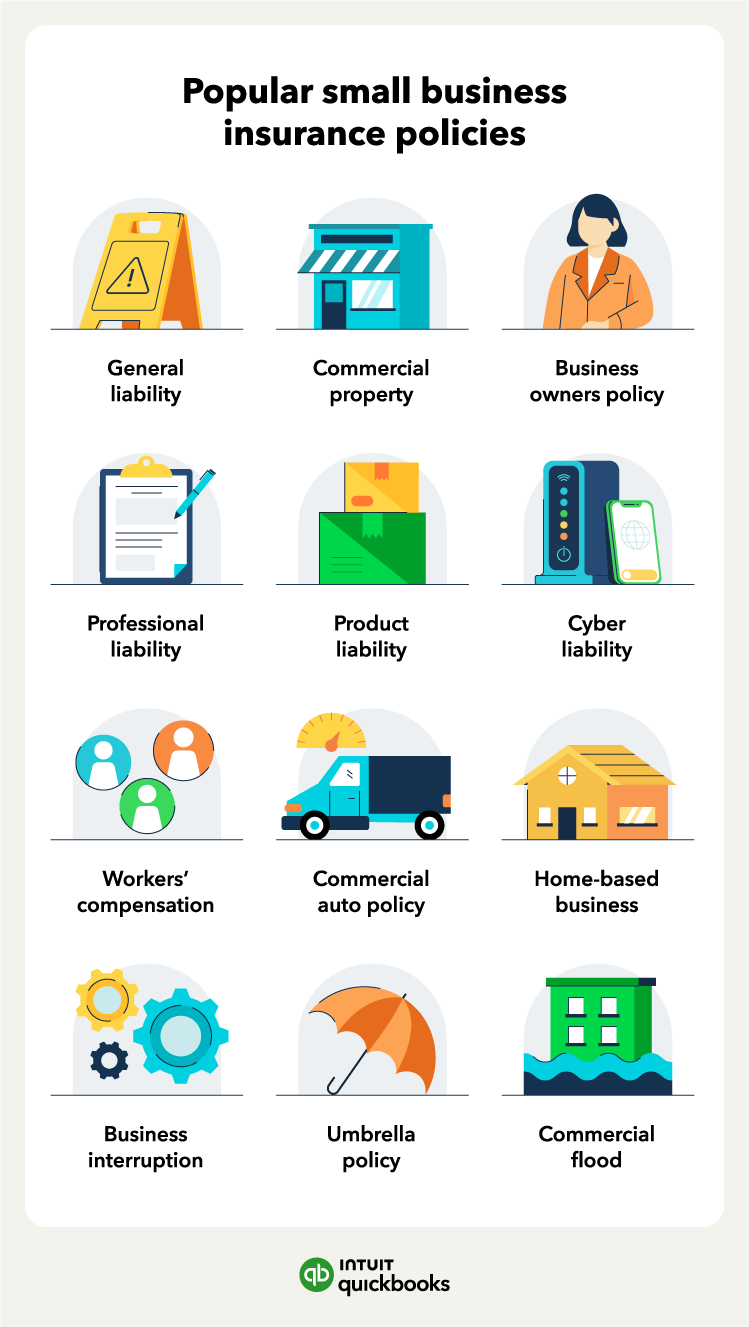
So, let’s break down what business insurance is, why you need it, and the different types you might want to consider—all in plain, simple English. No jargon, no confusing legal talk. Just the stuff you need to know to protect your livelihood.
What Exactly is Business Insurance?
At its core, business insurance is a way to transfer risk. Instead of shouldering the full financial burden of a lawsuit, a natural disaster, or an employee injury yourself, you pay a monthly or yearly premium to an insurance company. In exchange, they agree to cover those costs for you, up to a certain limit, if something goes wrong.
Think of it this way: a car insurance policy protects you if you get into an accident. Homeowner’s insurance protects your house if it gets damaged. Business insurance is the same idea, but for your company. It’s a financial shield that protects you from unexpected expenses that could otherwise sink your business before it even gets off the ground.
Why Is Business Insurance So Important?
Even if you’re a small operation, maybe even a one-person show working out of your home, you’re not immune to risk. Here’s why a safety net is non-negotiable:
Lawsuits Happen: In today’s world, a simple mistake can lead to a big lawsuit. A customer slips and falls in your shop. Your product injures someone. An unhappy client sues you for an error in your work. Legal fees alone can be astronomical, not to mention the settlement costs. A good insurance policy can cover these legal defense costs, allowing you to focus on running your business, not fighting in court.
Common Types of Business Insurance You Should Know About
Navigating the world of insurance can feel overwhelming, but most small businesses will only need a few key types of policies. Here are the most common ones you’ll encounter:
1. General Liability Insurance: This is often the first policy a new business owner gets, and for good reason. Think of it as your basic, all-purpose coverage. It protects you from claims of bodily injury, property damage, and personal injury (like slander or libel) that occur on your business premises or are caused by your operations. If a customer slips on a wet floor and gets hurt, this policy is your first line of defense.
2. Professional Liability Insurance (Errors & Omissions): This is for service-based businesses—consultants, designers, accountants, web developers, etc. It protects you against claims of negligence or errors in the professional services you provide. If a client sues you because they claim your advice cost them money, this policy would cover your legal defense and any potential settlement.
3. Commercial Property Insurance: This policy covers your physical assets. It protects the building you own or lease, as well as your inventory, equipment, furniture, and tools from things like fire, theft, and vandalism. If a fire breaks out in your office and destroys your computers and furniture, this policy helps you replace them.
4. Worker’s Compensation Insurance: If you have employees, you almost certainly need this. It’s required by law in most states. It covers medical costs and lost wages for employees who get injured on the job. It also protects you from being sued by that employee over the injury.
5. Commercial Auto Insurance: If you use a vehicle for your business—whether it’s a delivery van or just your personal car for business purposes—you need this. A personal auto policy may not cover you if you get into an accident while doing business, and a commercial policy ensures you’re covered for accidents and damages.
6. Business Interruption Insurance: This is a lifesaver. If a covered event (like a fire or a severe storm) forces you to temporarily shut down your business, this policy helps replace the lost income. It can cover things like rent, employee wages, and other ongoing expenses, so you can stay afloat while you get your business back up and running.
How to Choose the Right Insurance for Your Business
Deciding on the right coverage isn’t about just picking a policy off a shelf. It’s about assessing your unique risks.
Assess Your Risks: Think about your business. What are the biggest threats? Are you a physical location with foot traffic? General liability is key. Are you a consultant giving advice? Professional liability is a must. Do you have a lot of expensive equipment? Commercial property insurance is crucial.
The Bottom Line: It’s an Investment, Not an Expense
Think of business insurance not as an annoying expense but as a crucial investment in your future. It’s peace of mind. It’s the safety net that allows you to take risks and grow your business without the constant fear of being wiped out by a single, unexpected event.
:max_bytes(150000):strip_icc()/Life-Insurance-a8aee8e3024145a8b454ea19df030418.png?resize=200,135&ssl=1 "A Guide To Understanding Life Insurance")

:max_bytes(150000):strip_icc()/GettyImages-1328171458-5b2c06f6aaf241388c8718208fb65540.jpg?resize=200,135&ssl=1 "Your Guide To Understanding Car Insurance")
