
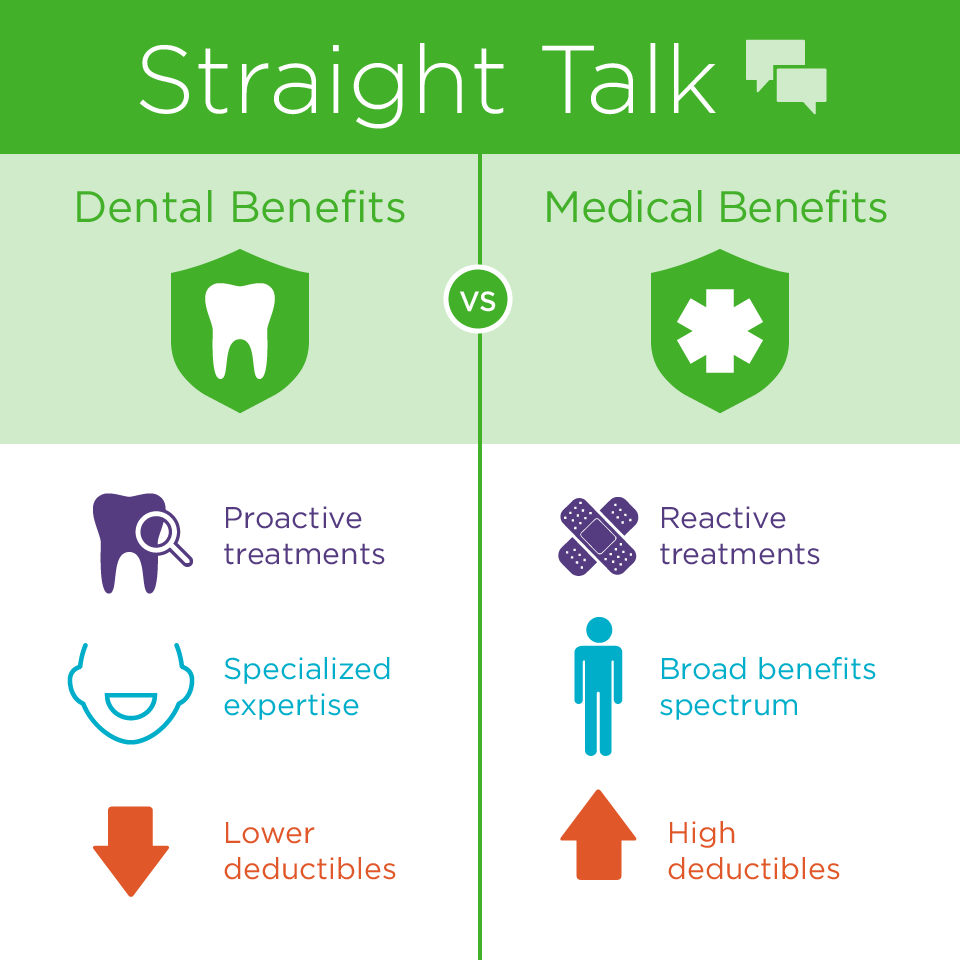
First things first: what is dental insurance, really? Think of it as a safety net for your teeth. It’s a way to pay for some, or even all, of the costs associated with dental care. Unlike medical insurance, which often focuses on catastrophic events, dental insurance is more about helping you pay for routine maintenance. We’re talking about things like your twice-a-year cleanings, annual checkups, and those dreaded fillings. The goal is to encourage you to go to the dentist regularly to prevent bigger, more expensive problems down the line.
There are a few different types of dental insurance plans you’ll encounter. The most common are PPO (Preferred Provider Organization) and DHMO (Dental health Maintenance Organization) plans. A PPO plan gives you a lot of flexibility. You can see any dentist you want, but you’ll save money if you go to a dentist who is “in-network.” This means the insurance company has a special agreement with them to provide services at a lower cost. A DHMO plan is a bit different. With this type of plan, you have to choose a primary dentist from a specific network. You can’t just go to any dentist you want, and if you do, the insurance won’t cover it. The trade-off is that DHMO plans often have lower premiums and predictable co-pays.
Then there are fee-for-service plans, sometimes called indemnity plans. These are the most flexible of all. You can go to any dentist, anywhere, and your insurance company will pay a percentage of the bill. It’s great for people who have a long-standing relationship with a specific dentist who isn’t in any network. The downside? They often have higher premiums and sometimes a more complex claims process. Finally, there are discount dental plans, which aren’t really insurance at all. You pay a low annual fee and get access to a network of dentists who offer services at a reduced rate. It’s a great option for people who can’t afford traditional insurance, but remember, it’s not insurance—it’s just a discount card.
Now, let’s talk about the money part. This is where most of the confusion comes in. There are a few key terms you’ll hear: premiums, deductibles, co-pays, and maximums. Your premium is the monthly or annual fee you pay just to have the insurance. It’s like a subscription fee for your teeth’s well-being. The deductible is the amount of money you have to pay out-of-pocket before your insurance starts to cover anything. For example, if your deductible is $50, you have to pay the first $50 of your dental care costs for the year before your insurance kicks in. A co-pay is a fixed amount you pay for a specific service. If your co-pay for a cleaning is $20, you pay $20 at the dentist’s office, and the insurance covers the rest. Lastly, the annual maximum is the most your insurance company will pay for your dental care in a single year. This is a big one to keep an eye on, especially if you anticipate needing a lot of work done. Once you hit that maximum, you’re on your own until the next plan year.
So, how do you choose the right plan? It’s all about understanding your needs. Are you generally healthy and just need routine checkups? A plan with a low premium and coverage for preventive care might be perfect. Do you know you need a root canal or a crown in the near future? You’ll want a plan with a higher annual maximum and good coverage for major procedures. Always check the fine print and the plan’s list of covered services. Some plans cover things like orthodontics or cosmetic procedures, while others don’t. And remember, the cheapest plan isn’t always the best. A low premium might come with a high deductible or a very low annual maximum.
Understanding dental insurance is all about asking the right questions. Before you sign up for a plan, ask your potential provider for a breakdown of what’s covered. What percentage do they pay for cleanings? For fillings? For crowns? What’s the annual maximum? Is there a waiting period for certain procedures? Many plans have a waiting period of six months to a year for major work, so you can’t just sign up and get a new crown the next day. This is to prevent people from waiting until they have a major problem to get insurance.
The best way to get the most out of your dental insurance is to use it. Don’t skip your cleanings! Preventive care is almost always covered at 100% or very close to it. By getting your teeth cleaned and checked twice a year, you can catch problems while they’re small and easy to fix. A tiny cavity is much cheaper and less painful to fix than a full-blown root canal. Your dental insurance is an investment in your health and your wallet, but only if you use it wisely.
:max_bytes(150000):strip_icc()/Life-Insurance-a8aee8e3024145a8b454ea19df030418.png?resize=200,135&ssl=1 "A Guide To Understanding Life Insurance")

:max_bytes(150000):strip_icc()/GettyImages-1328171458-5b2c06f6aaf241388c8718208fb65540.jpg?resize=200,135&ssl=1 "Your Guide To Understanding Car Insurance")
