You might be thinking, “I’m retired, my kids are grown, and my mortgage is paid off. Do I still need life insurance?” The answer is often yes. Life insurance for seniors isn’t just about replacing lost income; it’s about providing a financial safety net for your loved ones when you’re no longer here.
Here are a few common reasons seniors get life insurance:
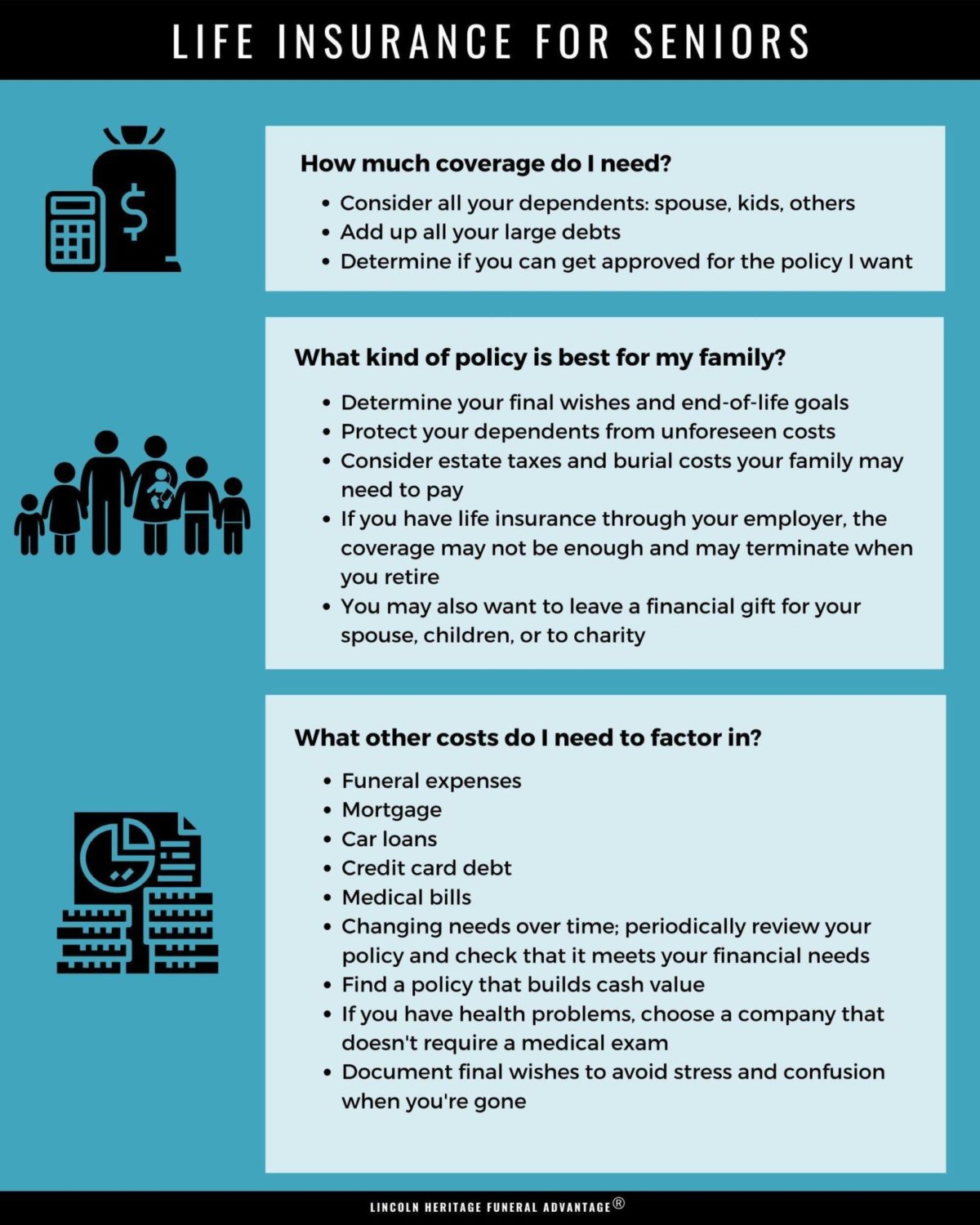
Best Life Insurance Plan For Seniors Lincoln Heritage
Covering Final Expenses: The cost of a funeral, burial, or cremation can be a significant burden on your family, often running into thousands of dollars. A life insurance policy, even a small one, can ensure your loved ones aren’t left with these unexpected bills during a time of grief.
Paying Off Debts: If you have outstanding debts like credit card balances, personal loans, or even a remaining mortgage, a life insurance payout can be used to settle these, so your family doesn’t have to.
Leaving an Inheritance: For many seniors, a life insurance policy is a way to leave a financial legacy for their children, grandchildren, or a favorite charity. It’s a way to provide a lump sum of money, often tax-free, to the people or causes you care about most.
Estate Planning: Life insurance can be a valuable tool in estate planning, helping to cover potential estate taxes and other costs, ensuring more of your assets go to your heirs.
—
The Two Main Types of Life Insurance
When you start looking at policies, you’ll mainly encounter two types: term life and permanent life insurance. Understanding the difference is the first step to making an informed decision.
# Term Life Insurance
Term life insurance is temporary. You buy it for a specific period, or “term,” like 10, 15, or 20 years. If you pass away during that term, your beneficiaries receive the death benefit. If you outlive the term, the coverage ends, and there is no payout.
Pros for seniors:
More affordable: Premiums are generally much lower than for permanent policies, which can be a huge plus if you’re on a fixed income.
Fits specific needs: It’s a great option if you need coverage for a finite period, such as to pay off a loan or cover your spouse until their pension kicks in.
Cons for seniors:
Not permanent: The coverage eventually ends. If you live a long, healthy life and outlive your policy, your family won’t get a payout.
May be difficult to get: As you get older, the available term lengths become shorter, and the premiums can get quite expensive. Some companies may have age limits for new policies.
# Permanent Life Insurance
Permanent life insurance, on the other hand, is designed to last your entire life, as long as you keep paying the premiums. The most common type is whole life insurance.
Pros for seniors:
Lifelong coverage: This policy guarantees a payout to your beneficiaries no matter when you pass away.
Builds cash value: A portion of your premium goes into a cash value account that grows over time. You can borrow against this cash value or withdraw it in an emergency.
Cons for seniors:
Much higher premiums: Because the insurance company knows it will eventually pay out the death benefit, the premiums are significantly more expensive than for term policies.
Less flexible: Payments are usually fixed and must be paid on time to keep the policy in force.
Other Senior-Friendly Options
Beyond the two main types, there are a few other policies that are particularly well-suited for seniors.
Final Expense Insurance: Also known as burial or funeral insurance, this is a type of whole life policy with a small death benefit, usually between $5,000 and $25,000. It’s specifically designed to cover funeral costs and other end-of-life expenses.
The big advantage: Many final expense policies are “guaranteed acceptance” or “simplified issue,” meaning you often don’t need a medical exam or to answer a lot of health questions. This makes it a great option for seniors with pre-existing health conditions who might not qualify for traditional policies.
Guaranteed Universal Life (GUL): This is a type of permanent policy that provides lifelong coverage but has very little to no cash value accumulation. Because of this, the premiums are lower than a traditional whole life policy, making it a more affordable option for those who simply want a guaranteed death benefit without the savings component.
—
How to Choose the Right Policy for You
Choosing the best life insurance policy is a personal decision based on your unique financial situation, health, and goals. Here are a few things to consider:
1. What is your goal?
Do you want to cover final expenses? Final expense insurance is probably your best bet.
Do you need to replace lost income or pay off a mortgage? A shorter-term policy might be a good fit.
Do you want to leave a large inheritance? A permanent policy could be the answer.
2. What’s your budget?
Be honest with yourself about what you can afford. Don’t buy a policy you can’t maintain. Skipping payments can cause a permanent policy to lapse, and you could lose everything you’ve paid in.
Compare quotes from multiple companies to find the most competitive rates.
3. How is your health?
Your health is a major factor in the cost of your premiums. If you’re in good health, you’ll have more options, including traditional term and permanent policies with lower rates.
If you have health issues, look into simplified issue or guaranteed acceptance policies.
A Few Words of Advice
Don’t Wait: The cost of life insurance goes up with every year you get older. The younger you are when you buy a policy, the lower your premiums will be.
Shop Around: Every insurance company has its own way of assessing risk. Don’t settle for the first quote you get. Get a few different quotes to see what’s available.
Read the Fine Print: Make sure you understand exactly what you’re buying. Pay attention to things like the waiting period on guaranteed acceptance policies (often two years before the full death benefit is paid out) and any other limitations.
Talk to a Professional: A qualified insurance agent or financial advisor can help you navigate the options and choose a policy that truly fits your needs.

:max_bytes(150000):strip_icc()/Life-Insurance-a8aee8e3024145a8b454ea19df030418.png?resize=200,135&ssl=1 "A Guide To Understanding Life Insurance")

:max_bytes(150000):strip_icc()/GettyImages-1328171458-5b2c06f6aaf241388c8718208fb65540.jpg?resize=200,135&ssl=1 "Your Guide To Understanding Car Insurance")
