
Small business insurance is a safety net that protects your business from financial losses due to unexpected events. While it might seem like another expense, it’s actually an investment that can save you from a catastrophic setback. Think of it as a form of risk management. No matter the size of your operation—whether you’re a freelancer working from home or a brick-and-mortar shop with a few employees—having the right insurance is crucial. It protects your assets, your employees, and even you personally from lawsuits, property damage, and other liabilities.
The Different Types of Insurance for Small Businesses
Navigating the world of business insurance can be confusing, but most small businesses will need a few key types of policies. Understanding what each one covers is the first step toward getting the right protection.
General Liability Insurance
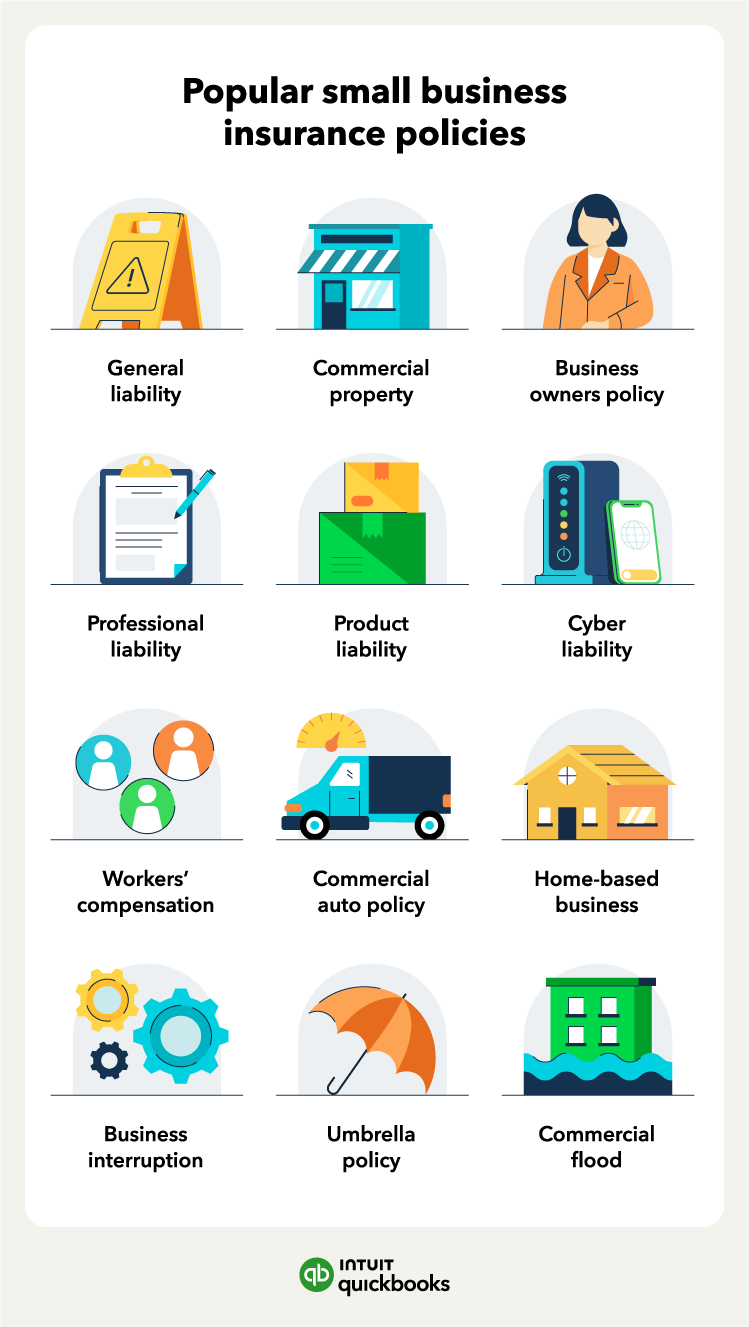
General liability insurance is often considered the foundation of a business insurance plan. It covers claims of bodily injury or property damage that occur as a result of your business operations. For example, if a customer slips and falls in your store and gets injured, this policy would cover their medical expenses and legal fees if they sue you. It also covers things like advertising injuries, such as copyright infringement or libel. This type of insurance is vital for any business that interacts with the public, even if that interaction is online.
Professional Liability Insurance (Errors and Omissions)
If your business provides professional advice or services, professional liability insurance—also known as errors and omissions (E&O) insurance—is a must-have. This policy protects you from claims of negligence or mistakes in the professional services you provide. For instance, if you’re a web designer and a client claims your design work cost them money because it wasn’t delivered on time, this insurance would cover the legal costs and any settlement or judgment. It’s particularly important for consultants, accountants, real estate agents, and other service-based professionals.
Commercial Property Insurance
This policy protects the physical assets of your business. It covers your building, inventory, equipment, furniture, and other business property from damage or loss caused by events like fire, theft, or vandalism. If you own your building, this is crucial. If you rent, your landlord’s policy likely won’t cover your personal business property, so you’ll still need this coverage. This insurance ensures that a single disaster doesn’t wipe out your entire business.
Workers’ Compensation Insurance
If you have employees, workers’ compensation insurance is almost always required by law. It covers medical costs and a portion of lost wages for employees who get injured on the job. For example, if an employee breaks their arm while working, this policy would pay for their doctor’s visits and recovery. It also provides a death benefit to their dependents if the injury is fatal. Beyond the legal requirement, it protects you from having to pay for an employee’s work-related injuries out of pocket, which could be financially devastating.
Commercial Auto Insurance
If you or your employees use vehicles for business purposes, commercial auto insurance is essential. This is different from personal auto insurance, which usually doesn’t cover accidents that happen while you’re on the clock. A commercial policy covers vehicles used for business, whether it’s a company car or your personal truck used to make deliveries. It covers things like accidents, theft, and damage to the vehicle, as well as liability for injuries or property damage you cause to others in an accident.
—
The Cost and Factors Affecting Your Premium
The cost of small business insurance isn’t a one-size-fits-all number. It varies widely based on several factors. The good news is, you can often find a policy that fits your budget.
Location: Your business’s physical location can affect your premium. Businesses in areas with a high crime rate or that are prone to natural disasters like hurricanes or floods might pay more.
Industry: Some industries are riskier than others. A construction company will likely have higher insurance costs than a freelance writer because the risk of workplace accidents is much greater.
Number of employees: The more employees you have, the higher your risk of a workers’ comp claim or a lawsuit. This will increase the cost of your insurance.
Business size and revenue: A larger business with higher revenue generally has more assets to protect and potentially more to lose in a lawsuit, so their premiums will be higher.
Claims history: If your business has a history of making a lot of claims, your insurance provider might see you as a higher risk and charge you more.
Type of coverage and deductibles: The specific types of policies you choose and the coverage limits you set will directly impact your premium. A higher deductible—the amount you have to pay out of pocket before your insurance kicks in—will often lead to a lower monthly premium.
How to Get Small Business Insurance
Getting small business insurance is a straightforward process. The first step is to assess your risks. Think about what could go wrong in your business. Do you have a physical storefront? Do you interact with customers in person? Do you have employees? Answering these questions will help you determine what types of coverage you need.
Next, you’ll need to shop around. Don’t just go with the first quote you get. Talk to a few different insurance brokers or companies. They can help you bundle policies, which often saves you money. Be ready to provide information about your business, including its age, revenue, number of employees, and a summary of your operations. This information will help them give you an accurate quote.
Finally, review the policies carefully before you buy. Make sure you understand what’s covered and what isn’t. Don’t be afraid to ask questions. Getting the right insurance is about peace of mind, knowing that if something unexpected happens, you’re protected and can keep your business running.
—
:max_bytes(150000):strip_icc()/Life-Insurance-a8aee8e3024145a8b454ea19df030418.png?resize=200,135&ssl=1 "A Guide To Understanding Life Insurance")

:max_bytes(150000):strip_icc()/GettyImages-1328171458-5b2c06f6aaf241388c8718208fb65540.jpg?resize=200,135&ssl=1 "Your Guide To Understanding Car Insurance")
