
Thinking about your health coverage can be a bit of a headache, especially when you’re in a transitional period. Maybe you’ve just left a job, are waiting for a new one to start, or are in-between open enrollment periods. This is where short-term health insurance comes into play. But what exactly is it, and is it the right choice for you? Let’s break it down in simple terms.
—
What Is Short-Term Health Insurance?
Imagine short-term health insurance as a safety net, not a full-blown parachute. It’s designed to provide temporary coverage for a limited period, typically anywhere from a few months up to just under a year. The main purpose is to protect you from unexpected medical bills for accidents or sudden illnesses during a gap in your regular, more comprehensive coverage.
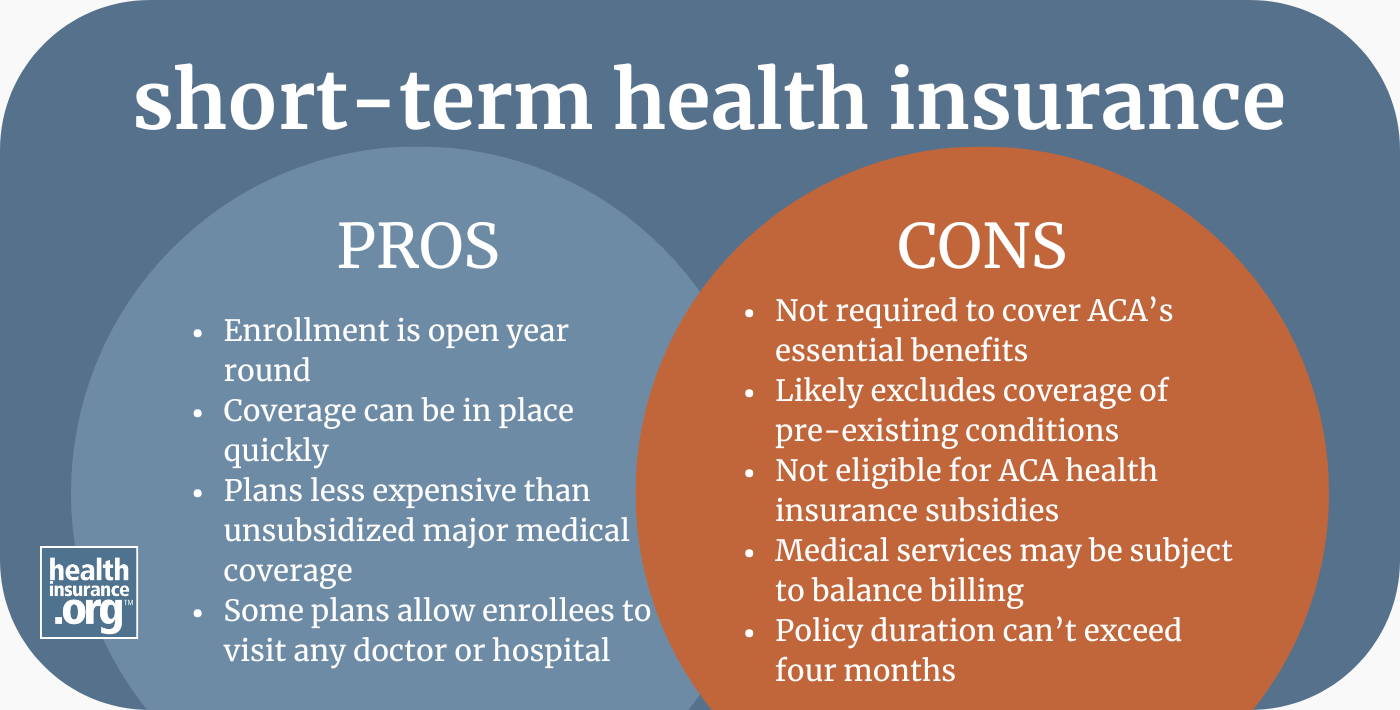
Unlike the plans available through the Affordable Care Act (ACA), short-term plans aren’t required to follow the same rules. This means they often come with a lower monthly premium, which can be super appealing if you’re on a tight budget. However, that lower price tag comes with some significant trade-offs.
—
The Pros: Why You Might Consider a Short-Term Plan
Let’s start with the good stuff. Short-term health insurance has a few key advantages that make it a viable option for certain situations.
Affordability: This is arguably the biggest draw. Premiums for short-term plans are often significantly cheaper than ACA-compliant plans. If you’re looking to save money and only need coverage for a short time, this can be a huge relief on your wallet.
—
The Cons: What You Need to Watch Out For
Now for the not-so-great parts. It’s crucial to understand these limitations before you sign up.
Limited Coverage: This is the most important point. Short-term plans don’t have to cover the 10 essential health benefits required by the ACA. This means they often don’t cover things like prescription drugs, mental health services, maternity care, or preventative care.
—
Who is Short-Term Insurance For?
Short-term health insurance isn’t a long-term solution, but it can be a great fit for specific situations.
The Job Transitioner: If you’ve left a job and are starting a new one in a few months, a short-term plan can bridge the gap between your old employer’s coverage and your new one’s.
—
How to Choose the Right Plan
If you decide that a short-term plan is the way to go, here are a few things to keep in mind when shopping around:
Understand What’s Covered: Read the fine print! Don’t assume anything. Pay close attention to what’s included and, more importantly, what’s excluded. Look for details on emergency room visits, hospital stays, and doctor visits.
—
Short-Term vs. ACA: A Quick Comparison
To put it all in perspective, here’s a simple rundown of the key differences:
Short-Term: Temporary, lower premium, limited benefits, excludes pre-existing conditions, not ACA-compliant.
In the end, short-term health insurance isn’t a replacement for a long-term, comprehensive plan. It’s a temporary tool for a specific situation. It can provide peace of mind and financial protection against major, unexpected medical events, but it won’t cover your day-to-day healthcare needs or pre-existing conditions.
:max_bytes(150000):strip_icc()/Life-Insurance-a8aee8e3024145a8b454ea19df030418.png?resize=200,135&ssl=1 "A Guide To Understanding Life Insurance")

:max_bytes(150000):strip_icc()/GettyImages-1328171458-5b2c06f6aaf241388c8718208fb65540.jpg?resize=200,135&ssl=1 "Your Guide To Understanding Car Insurance")
