
Starting a business is an adventure filled with excitement and endless possibilities. You’ve poured your heart and soul into your dream, but what happens when the unexpected strikes? A simple mistake, a slip-and-fall, or a disgruntled client could lead to a lawsuit that threatens everything you’ve worked for. That’s where business liability insurance comes in. It’s not just another expense; it’s your essential shield, your safety net, and the key to sleeping soundly at night. In this guide, we’ll break down the best business liability insurance options in a way that’s easy to understand, so you can protect your business and focus on what you do best.
Understanding the Basics: What’s the Big Deal with Liability Insurance?
Think of business liability insurance as your financial bodyguard. It covers the costs associated with claims of injury or property damage caused by your business operations, products, or services. Without it, you could be on the hook for legal fees, medical expenses, and settlements—costs that could easily bankrupt your company. While there are different types of liability insurance, the most common is General Liability Insurance (GLI). This is the foundation of your protection plan, covering a wide range of common risks.
General Liability Insurance (GLI): The Non-Negotiable
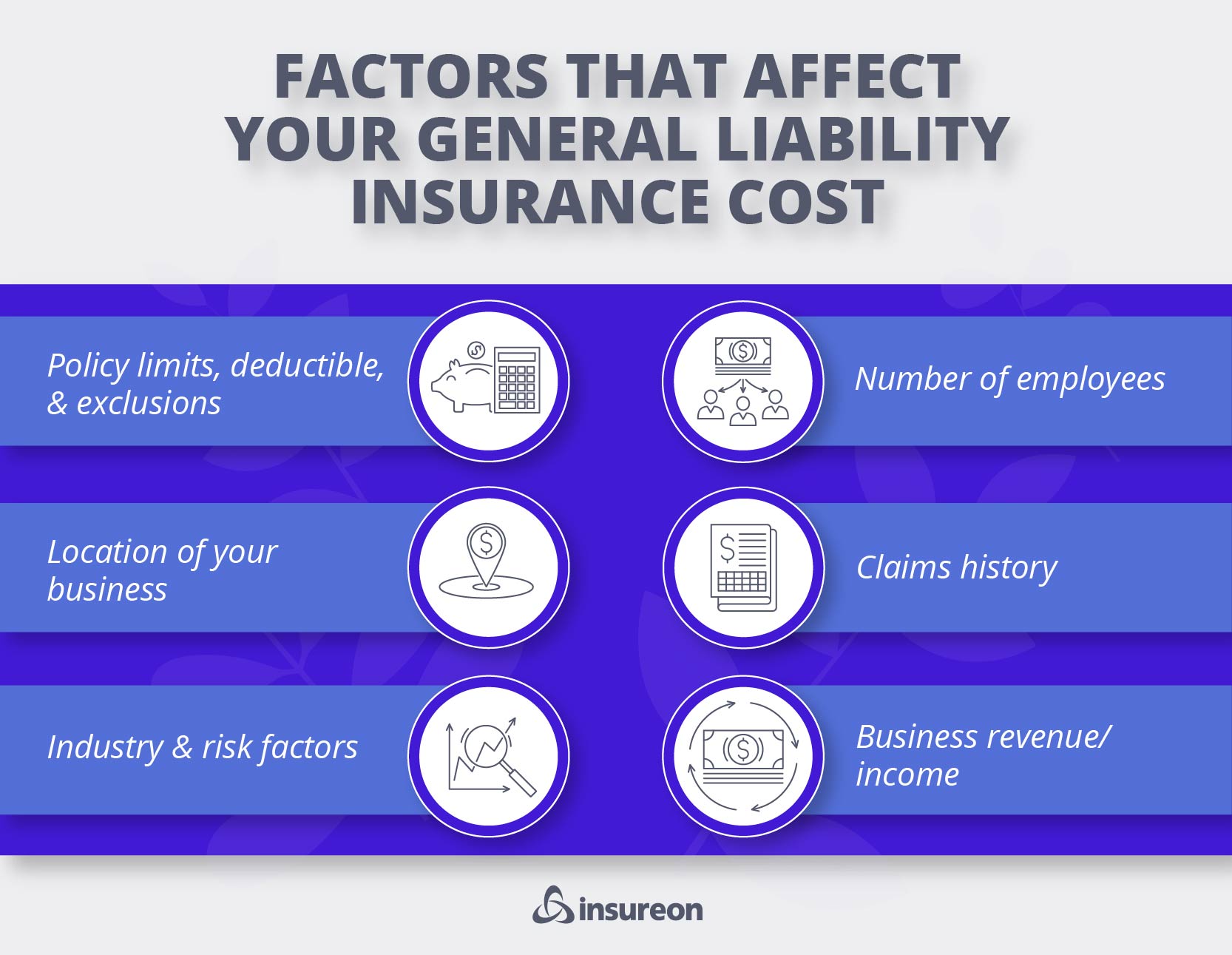
Every business, no matter how small, needs a GLI policy. It’s the most fundamental type of liability coverage and a non-negotiable for anyone serious about long-term success. A good GLI policy will cover:
Bodily Injury: If a customer trips over a loose wire in your office and breaks their arm, your GLI policy would cover their medical bills and any associated legal costs.
When looking for the best GLI policy, don’t just focus on the price. Look for a policy with high coverage limits, a low deductible, and a strong reputation for customer service. The best insurance providers offer flexible policies that can grow with your business.
Professional Liability Insurance (Errors and Omissions): For the Experts
If you provide a professional service—like a consultant, a lawyer, an accountant, or a marketing professional—you need to consider Professional Liability Insurance, also known as Errors and Omissions (E&O) insurance. This type of policy protects you from claims of negligence, mistakes, or failure to perform a service.
What it covers: Imagine you’re a financial advisor and you give a client bad advice that leads to a significant financial loss. A standard GLI policy wouldn’t cover this, but your E&O policy would. It covers the legal costs and any settlements related to the professional mistake.
Product Liability Insurance: For the Makers
If your business designs, manufactures, or sells products, you need Product Liability Insurance. This policy protects you from claims that your product caused bodily injury or property damage.
Common claims: A customer could claim that your product was defective and caused an injury, or that it was improperly labeled, leading to a harmful reaction.
Commercial Auto Insurance: On the Road to Protection
If your business uses vehicles, whether it’s a single delivery van or a fleet of trucks, you need Commercial Auto Insurance. Your personal auto policy won’t cut it. This policy provides liability and physical damage protection for vehicles used for business purposes.
What it covers: It covers bodily injury and property damage caused by a business vehicle, as well as damage to the vehicle itself.
Workers’ Compensation Insurance: Protecting Your Team
While not strictly a liability insurance for third parties, Workers’ Compensation is a crucial part of your business’s overall protection plan. Most states require it by law. It covers medical costs and a portion of lost wages for employees who are injured on the job.
How to Find the Best Business Liability Insurance for You
Finding the “best” insurance isn’t a one-size-fits-all solution. It’s about finding the policy that’s the best fit for your unique business. Here’s how to navigate the process:
1. Assess Your Risks: What are the most likely things to go wrong in your business? Are you dealing with clients face-to-face? Are you selling products? Do you have employees? A thorough risk assessment will help you determine what types of coverage you need.
2. Compare Quotes: Don’t settle for the first quote you get. Get quotes from multiple insurance providers. Look at not just the price, but also the coverage limits, deductibles, and customer reviews.
3. Work with a Reputable Broker: An experienced insurance broker can be a huge asset. They can help you understand your needs, compare different policies, and find a provider with a strong reputation.
4. Read the Fine Print: Don’t skip the policy documents. Understand what is covered and, just as importantly, what is excluded. Ask questions if something isn’t clear.
5. Review and Update Regularly: As your business grows and changes, so do your insurance needs. Make it a habit to review your policies annually with your broker to ensure you’re still adequately protected.
The Bottom Line
:max_bytes(150000):strip_icc()/Life-Insurance-a8aee8e3024145a8b454ea19df030418.png?resize=200,135&ssl=1 "A Guide To Understanding Life Insurance")

:max_bytes(150000):strip_icc()/GettyImages-1328171458-5b2c06f6aaf241388c8718208fb65540.jpg?resize=200,135&ssl=1 "Your Guide To Understanding Car Insurance")
