
Why You Need Long-Term Disability insurance, Even If You Think You Don’t
Let’s be real. Nobody likes to think about getting sick or hurt. We all want to believe we’ll stay healthy and work until we’re ready to retire. But what if life throws you a curveball? What if a serious illness or injury sidelines you for months, or even years? That’s where long-term disability insurance comes in, and trust me, it’s something you should seriously consider.
What Exactly Is Long-Term Disability Insurance?
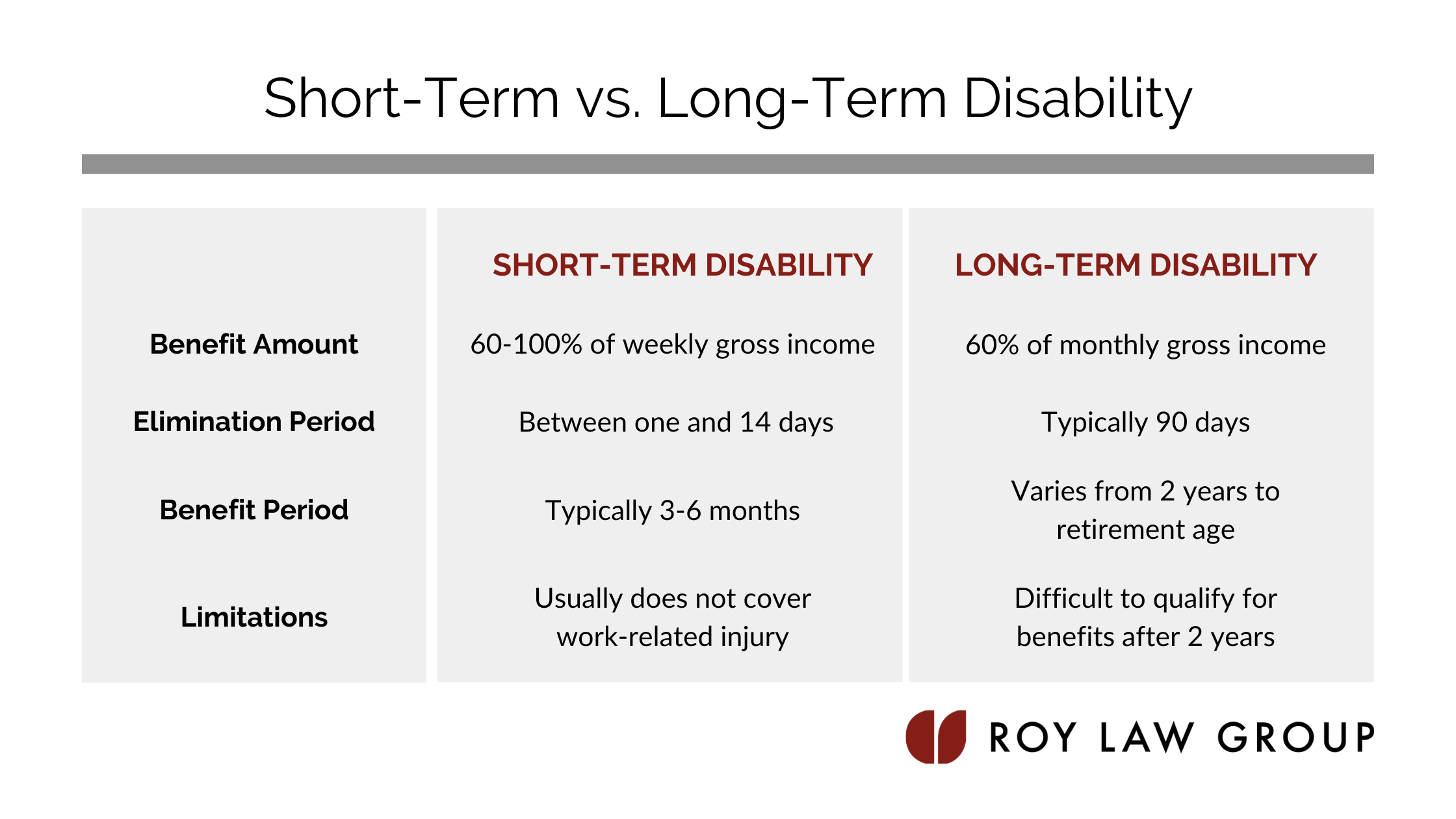
Think of it as paycheck protection. It’s an insurance policy that replaces a portion of your income if you become unable to work for an extended period due to a covered illness or injury. Unlike short-term disability insurance, which might cover you for a few weeks or months, a long-term policy can provide benefits for many years, sometimes even until you reach retirement age. It’s designed to help you cover essential expenses like your mortgage, groceries, car payments, and utilities when your paycheck disappears.
Don’t I Already Have This?
You might, but it’s important to check. Many people assume their employer-provided coverage is enough, but that’s not always the case. Here’s what you need to know:
Employer-Provided Plans: If you get a policy through your job, it’s a great start! However, these plans often have limitations. They might only replace 50-60% of your pre-tax income. Plus, the benefits are often taxable, meaning you’ll get even less in your pocket. If you leave that job, you also lose the coverage.
The Real Cost of Not Having It
Without disability insurance, what happens if you can’t work?
You’ll Burn Through Your Savings: Your emergency fund, your retirement savings, your kids’ college fund—all of it could be drained just to keep your head above water.
How to Buy a Long-Term Disability Insurance Policy
Getting a policy is usually a straightforward process. You have two main options:
1. Through Your Employer: As mentioned, this is the easiest route. Your employer might offer a group policy, and sometimes you can “buy up” to a higher level of coverage.
2. On Your Own (Individual Policy): This gives you more control and flexibility. You can customize the policy to your specific needs, and the coverage is portable—it goes with you if you change jobs. While an individual policy can be more expensive than a group plan, the benefits are typically non-taxable, and you get to choose the key features.
When shopping for an individual policy, pay close attention to these terms:
Benefit Period: This is how long the policy will pay out benefits. It can range from a few years to age 65 or 67. The longer the benefit period, the higher the premium.
:max_bytes(150000):strip_icc()/Life-Insurance-a8aee8e3024145a8b454ea19df030418.png?resize=200,135&ssl=1 "A Guide To Understanding Life Insurance")

:max_bytes(150000):strip_icc()/GettyImages-1328171458-5b2c06f6aaf241388c8718208fb65540.jpg?resize=200,135&ssl=1 "Your Guide To Understanding Car Insurance")
