
The Golden Spice: Unveiling the Multifaceted Benefits of Turmeric
Turmeric, the vibrant golden spice derived from the rhizome of the Curcuma longa plant, has been a cornerstone of traditional medicine, particularly Ayurveda, for centuries. Beyond its culinary appeal, modern scientific research is increasingly validating the numerous health benefits attributed to turmeric, primarily due to its active compound, curcumin. This article delves into the diverse applications of turmeric and explores the scientific evidence supporting its therapeutic potential.
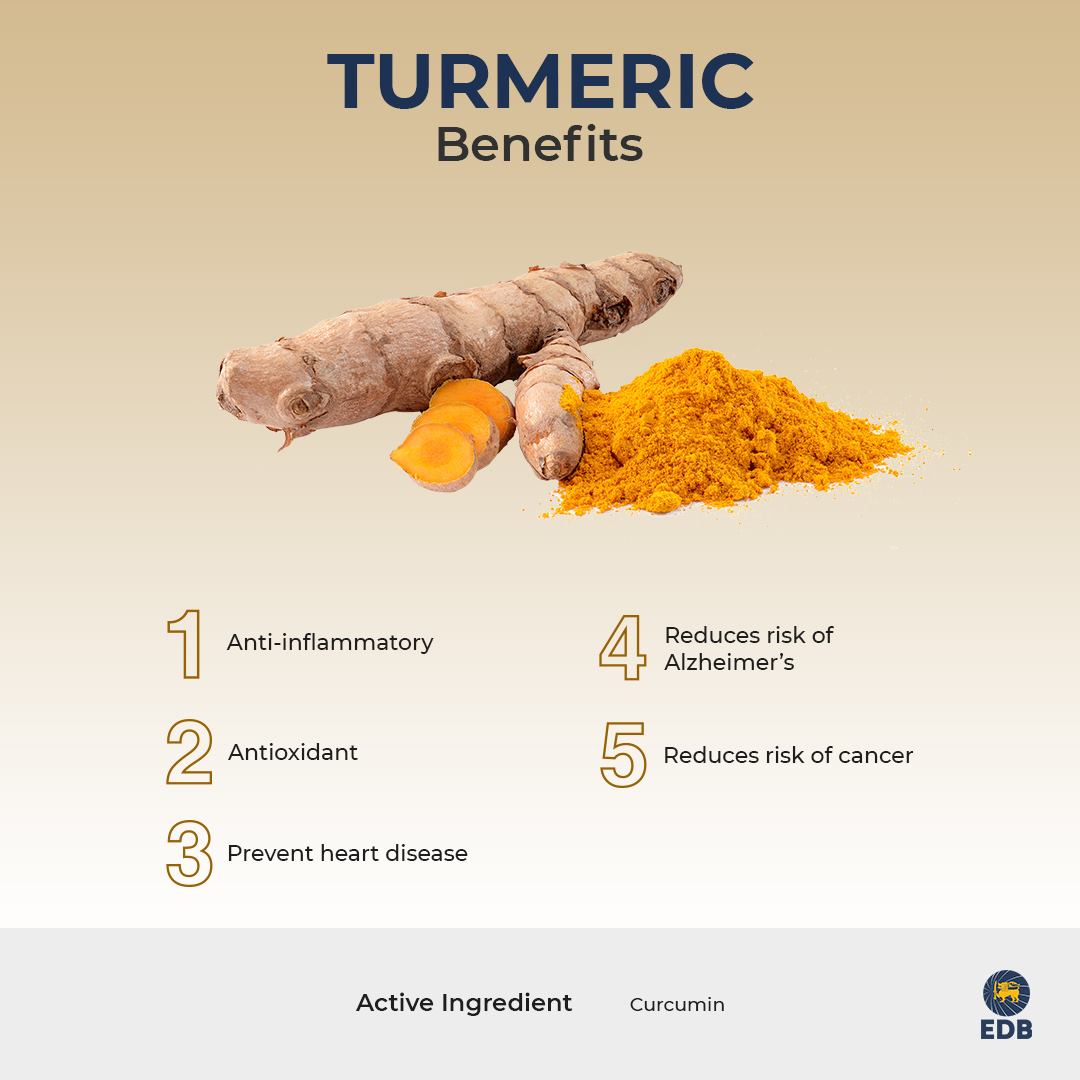
Curcumin, a natural polyphenol, is the primary bioactive component in turmeric. It possesses potent anti-inflammatory, antioxidant, and immunomodulatory properties. However, curcumin’s bioavailability, or the extent to which it is absorbed and utilized by the body, is relatively low. This limitation has spurred significant research into methods to enhance its absorption, such as combining it with piperine, a compound found in black pepper, which can increase curcumin’s bioavailability by up to 2,000%.
Reducing Chronic Inflammation
Chronic inflammation is implicated in a wide array of diseases, including heart disease, cancer, Alzheimer’s disease, and arthritis. Curcumin’s ability to modulate numerous inflammatory pathways makes it a promising therapeutic agent. It inhibits the activity of various inflammatory molecules, such as cytokines, chemokines, and enzymes like cyclooxygenase-2 (COX-2) and lipoxygenase (LOX). This potent anti-inflammatory action can help alleviate symptoms associated with inflammatory conditions.
Managing Arthritis and Joint Pain
Turmeric has shown significant promise in managing osteoarthritis and rheumatoid arthritis. Studies have demonstrated that curcumin can reduce pain, stiffness, and inflammation in individuals with these conditions. It works by inhibiting the production of inflammatory mediators that contribute to joint damage and pain.
Supporting Gut Health and Inflammatory Bowel Disease (IBD)
IBD, including Crohn’s disease and ulcerative colitis, is characterized by chronic inflammation of the digestive tract. Curcumin’s anti-inflammatory properties can help reduce inflammation in the gut, alleviate symptoms like abdominal pain and diarrhea, and improve overall gut health. It can also help to modulate the gut microbiome.

Neutralizing Free Radicals
Oxidative stress, caused by an imbalance between free radicals and antioxidants, plays a crucial role in aging and the development of various diseases. Curcumin acts as a potent antioxidant, neutralizing free radicals and protecting cells from damage. It also boosts the activity of the body’s own antioxidant enzymes, further enhancing its protective effects.
Protecting Against Neurodegenerative Diseases
Oxidative stress and inflammation are implicated in neurodegenerative diseases like Alzheimer’s and Parkinson’s. Curcumin’s antioxidant and anti-inflammatory properties may help protect against neuronal damage and slow the progression of these diseases. Research suggests that curcumin can cross the blood-brain barrier and exert neuroprotective effects.
Cardiovascular Health: Protecting the Heart
Curcumin can contribute to cardiovascular health by improving endothelial function, reducing LDL cholesterol oxidation, and preventing blood clot formation. It can also help lower blood pressure and reduce the risk of heart disease. Its anti-inflammatory properties also aid in reducing inflammation within the cardiovascular system.
Enhancing Cognitive Function
Curcumin has been shown to improve cognitive function and memory in older adults. It may enhance the production of brain-derived neurotrophic factor (BDNF), a protein that plays a crucial role in brain health and cognitive function.
Combating Depression and Anxiety
Studies suggest that curcumin may be effective in treating depression and anxiety. It can increase the levels of serotonin and dopamine, neurotransmitters that play a role in mood regulation. Its anti-inflammatory effects may also contribute to its antidepressant and anxiolytic properties.
Supporting Neuroplasticity
Curcumin may promote neuroplasticity, the brain’s ability to reorganize itself by forming new neural connections. This can contribute to improved learning, memory, and cognitive function.
Inhibiting Cancer Cell Growth
Research suggests that curcumin may have anticancer properties. It can inhibit the growth and spread of cancer cells, induce apoptosis (programmed cell death) in cancer cells, and interfere with tumor angiogenesis (the formation of new blood vessels that nourish tumors).
Sensitizing Cancer Cells to Chemotherapy
Curcumin may also enhance the effectiveness of chemotherapy by sensitizing cancer cells to treatment. It can also reduce the side effects of chemotherapy, making it a valuable adjunct therapy.
Preventing Cancer Development
Curcumin’s anti-inflammatory and antioxidant properties may help prevent cancer development by protecting cells from DNA damage and inhibiting the growth of precancerous cells.
Improving Digestion
Turmeric can stimulate the production of bile, which is essential for fat digestion. It can also help relieve indigestion and bloating.
Relieving Irritable Bowel Syndrome (IBS) Symptoms
Curcumin’s anti-inflammatory properties can help alleviate symptoms of IBS, such as abdominal pain, bloating, and changes in bowel habits.
Protecting Against Gastric Ulcers
Turmeric may help protect against gastric ulcers by inhibiting the growth of Helicobacter pylori, a bacterium that is a major cause of ulcers.
Treating Skin Conditions
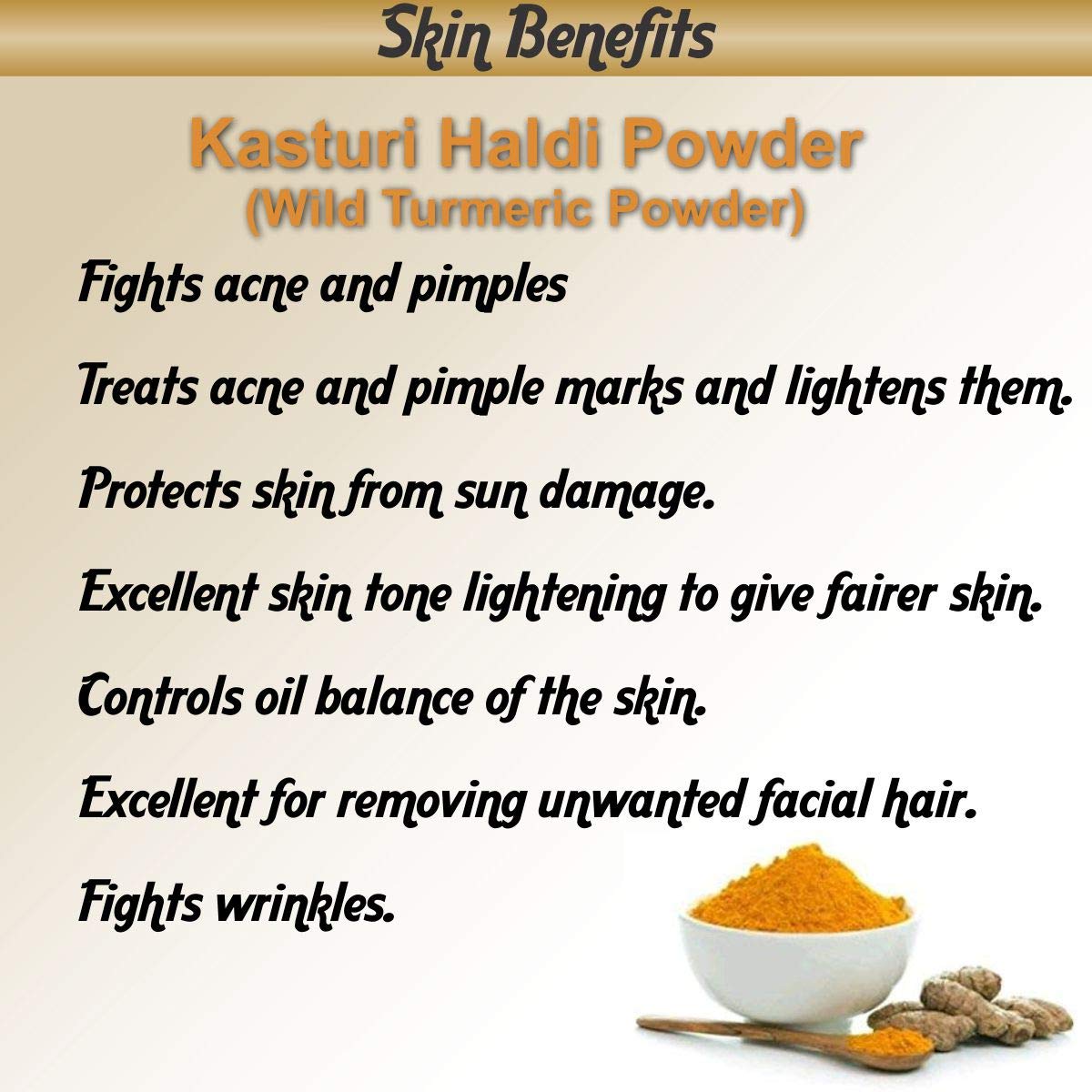
Turmeric’s anti-inflammatory and antioxidant properties make it effective in treating various skin conditions, such as acne, eczema, and psoriasis. It can reduce inflammation, redness, and itching.
Promoting Wound Healing
Turmeric can promote wound healing by stimulating collagen production and reducing inflammation. It can also help prevent infection.
Reducing Skin Aging
Curcumin’s antioxidant properties can help protect the skin from damage caused by free radicals and UV radiation, reducing signs of aging like wrinkles and age spots.
Modulating the Immune System
Curcumin can modulate the immune system by enhancing the activity of immune cells and regulating cytokine production. It can help strengthen the body’s defense against infections.
Fighting Infections
Turmeric has antimicrobial properties and can help fight bacterial, viral, and fungal infections.
Reducing Allergic Reactions
Curcumin may help reduce allergic reactions by inhibiting the release of histamine and other inflammatory mediators.
While turmeric is generally considered safe, it is important to be aware of potential side effects, especially with high doses or long-term use. These can include:
Digestive issues: Some people may experience stomach upset, diarrhea, or nausea.
There are various ways to incorporate turmeric into your diet and lifestyle:
Culinary use: Add turmeric powder to curries, soups, stews, and rice dishes.
Turmeric, with its active compound curcumin, offers a wealth of health benefits supported by scientific research. From reducing inflammation and oxidative stress to boosting brain function and supporting immune health, turmeric is a versatile spice with immense therapeutic potential. By incorporating turmeric into your daily routine, you can harness its golden power to promote overall health and well-being. However, it is essential to consult with a healthcare professional before taking turmeric supplements, especially if you have any underlying health conditions or are taking medications.


