
The Silent Threat: Understanding and Managing High Blood Pressure
High blood pressure, also known as hypertension, is a pervasive health issue affecting millions worldwide. Often dubbed the “silent killer,” it frequently presents without noticeable symptoms, yet silently damages vital organs over time. Understanding the intricacies of high blood pressure, its risk factors, and effective management strategies is crucial for safeguarding your health and well-being. This comprehensive guide aims to shed light on this critical condition, empowering you to take proactive steps towards a healthier life.
What is High Blood Pressure?
Blood pressure is the force exerted by your blood against the walls of your arteries as your heart pumps. It’s measured using two numbers: systolic and diastolic.
Systolic pressure: The top number, representing the pressure when your heart contracts.
Blood pressure readings are categorized as follows:
Normal: Less than 120/80 mmHg
High blood pressure occurs when the force of your blood pushing against your artery walls is consistently too high. This sustained pressure can damage your arteries and lead to serious health problems.
Types of Hypertension
There are two main types of hypertension:
Primary (Essential) Hypertension
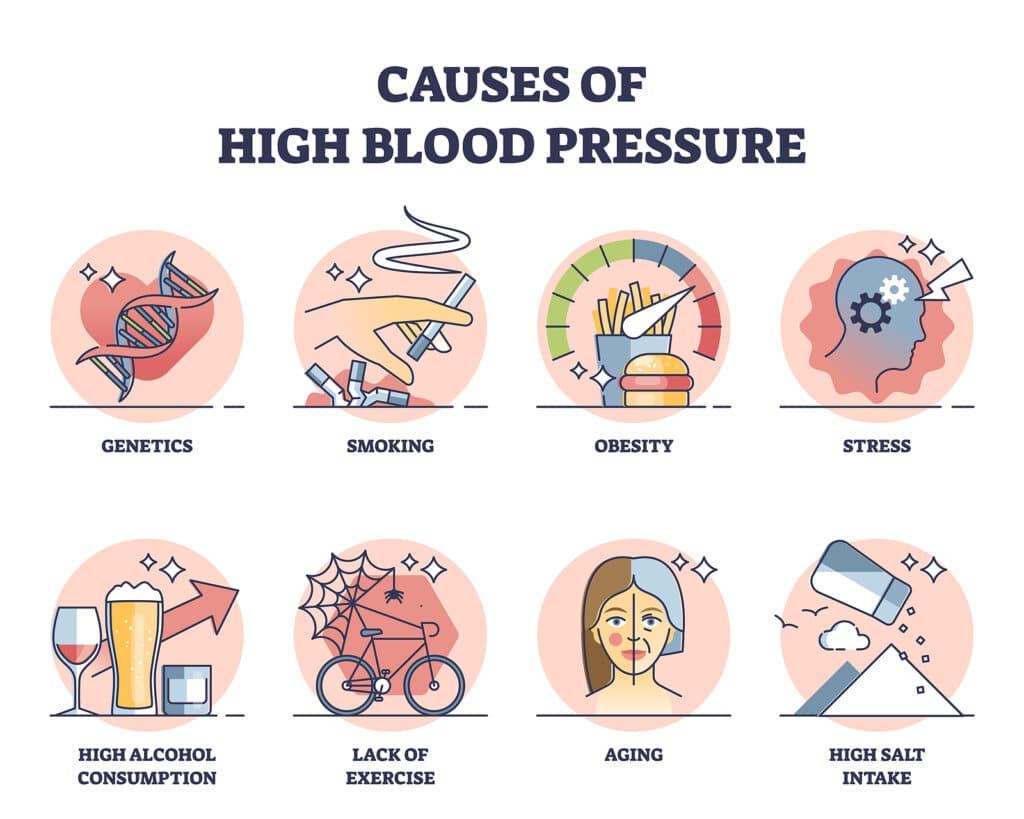
This is the most common type, accounting for approximately 90-95% of cases. It develops gradually over many years and doesn’t have a single identifiable cause. Several factors contribute to its development, including:
Genetics: A family history of hypertension increases your risk.
Secondary Hypertension
This type is caused by an underlying medical condition or medication. Some common causes include:
Kidney disease
Risk Factors for High Blood Pressure
Several factors can increase your risk of developing hypertension:
Age
The risk of hypertension increases as you age.
Family History
Having a close relative with high blood pressure significantly increases your own risk.
Race
High blood pressure is more prevalent in African Americans.
Obesity
Being overweight or obese puts extra strain on your heart and increases your risk.
Unhealthy Diet
A diet high in sodium and low in potassium can contribute to high blood pressure.
Lack of Physical Activity
Regular exercise helps lower blood pressure.
Excessive Alcohol Consumption
Heavy drinking can damage your heart and raise blood pressure.
Tobacco Use
Smoking damages blood vessels and increases the risk of hypertension.
Stress
Chronic stress can contribute to elevated blood pressure.
Certain Chronic Conditions
Conditions such as diabetes, kidney disease, and sleep apnea can increase the risk.
Symptoms of High Blood Pressure
Hypertension is often asymptomatic, which is why it’s crucial to have your blood pressure checked regularly. However, in severe cases, symptoms may include:
Severe headaches
It is important to remember, most of the time these symptoms wont be present until the condition has done substancial damage.
Complications of Untreated High Blood Pressure
If left untreated, high blood pressure can lead to serious health complications, including:
Heart Attack and Stroke
High blood pressure damages arteries, making them more susceptible to blockages.
Heart Failure
The increased workload on the heart can cause it to thicken and weaken over time.
Kidney Disease
High blood pressure can damage the blood vessels in the kidneys, leading to kidney failure.
Vision Loss
Damage to the blood vessels in the retina can cause vision problems.
Sexual Dysfunction
High blood pressure can affect blood flow to the genitals.
Peripheral Artery Disease (PAD)
PAD occurs when narrowed arteries reduce blood flow to the limbs.
Diagnosing High Blood Pressure
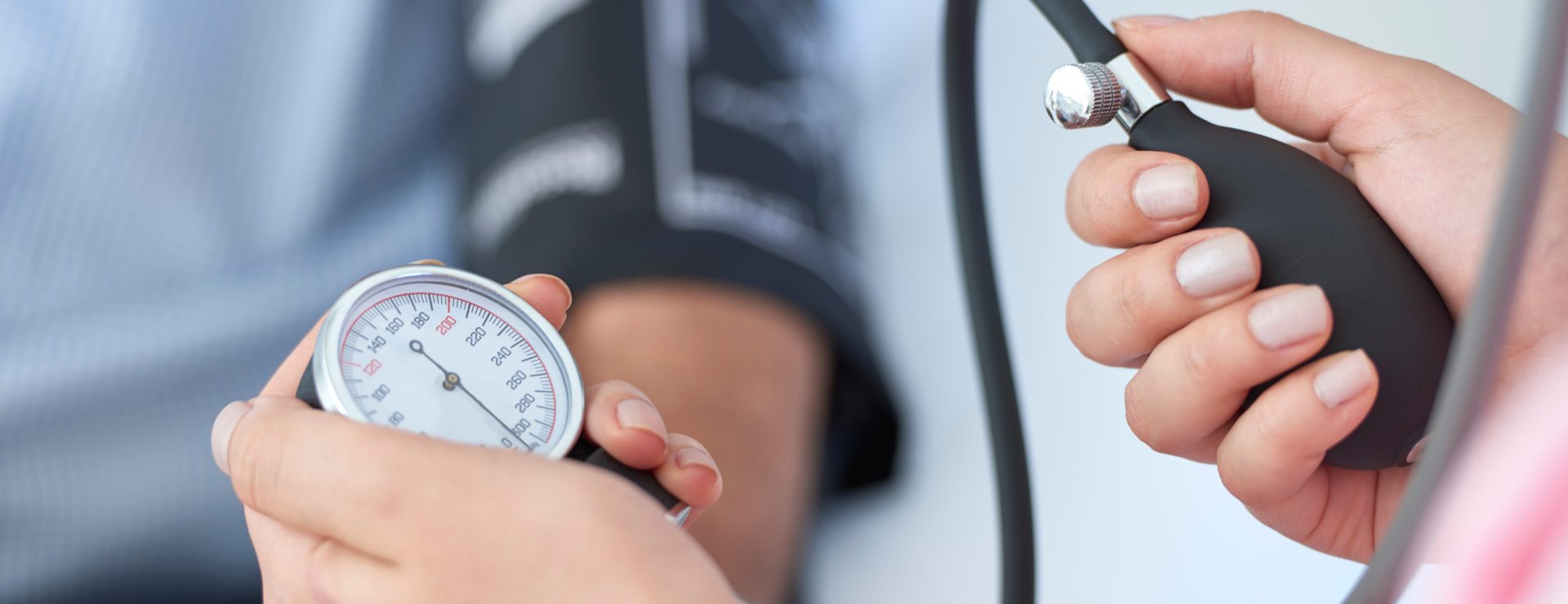
Blood pressure is measured using a cuff that inflates around your arm. Regular blood pressure checks are essential for early detection. Your doctor may also recommend ambulatory blood pressure monitoring, which involves wearing a portable device that records your blood pressure at regular intervals throughout the day.
Lifestyle Changes for Managing High Blood Pressure
Lifestyle modifications are often the first line of defense against hypertension.
Dietary Approaches to Stop Hypertension (DASH) Diet
The DASH diet emphasizes fruits, vegetables, whole grains, and low-fat dairy products. It’s low in sodium, saturated fat, and cholesterol.
Reduce Sodium Intake
Aim for less than 2,300 milligrams (mg) of sodium per day, ideally 1,500 mg for most adults.
Increase Potassium Intake
Potassium helps balance sodium levels in the body. Good sources include bananas, sweet potatoes, and spinach.
Maintain a Healthy Weight
Losing even a small amount of weight can significantly lower blood pressure.
Regular Physical Activity
Aim for at least 150 minutes of moderate-intensity exercise per week.
Limit Alcohol Consumption
For men, limit alcohol to two drinks per day; for women, one drink per day.
Quit Smoking
Smoking damages blood vessels and increases the risk of heart disease.
Manage Stress
Practice stress-reducing techniques such as yoga, meditation, or deep breathing exercises.
Monitor Your Blood Pressure at Home
Regular home monitoring helps you track your progress and identify any potential issues.
Medications for High Blood Pressure
In some cases, lifestyle changes alone may not be enough to control blood pressure. Your doctor may prescribe medication, including:
Thiazide Diuretics
These medications help the kidneys remove excess sodium and water from the body.
ACE Inhibitors
These medications relax blood vessels by blocking the production of a hormone that narrows them.
Angiotensin II Receptor Blockers (ARBs)
These medications work similarly to ACE inhibitors.
Beta-Blockers
These medications slow down the heart rate and relax blood vessels.
Calcium Channel Blockers
These medications relax blood vessels by preventing calcium from entering the cells.
When to Seek Medical Attention
Seek immediate medical attention if you experience symptoms of a hypertensive crisis, such as:
Severe headache
Prevention
Proactive steps can be taken to lower your risk of developing high blood pressure.
Maintain a Healthy Lifestyle
Adopting healthy habits early in life can help prevent hypertension.
Regular Checkups
Regular blood pressure checks are essential for early detection and treatment.
Know Your Family History
Understanding your family history of hypertension can help you identify your risk.
Limit Stress
Finding healthy ways to manage stress is crucial for overall health.
High blood pressure is a serious condition, but it is manageable. By understanding the risk factors, making lifestyle changes, and adhering to your doctor’s recommendations, you can take control of your blood pressure and live a healthier life.


