
Essential First Aid: A Comprehensive Guide
First aid is the immediate assistance given to any person suffering from either a minor or serious illness or injury, with care provided to preserve life, prevent the condition from worsening, or to promote recovery. It includes initial intervention in a serious condition prior to professional medical help being available, such as performing cardiopulmonary resuscitation (CPR) while awaiting an ambulance, as well as the complete treatment of minor conditions, such as applying a plaster to a cut.
This guide provides a comprehensive overview of essential first aid procedures.
General Principles of First Aid
Before diving into specific scenarios, it’s crucial to understand the overarching principles of first aid. These principles ensure you act effectively and safely.
Prioritize Safety
Your safety is paramount. Before assisting anyone, assess the scene for potential hazards. Ensure you are not putting yourself or others at risk. This includes:
Environmental hazards: Look for fire, gas leaks, unstable structures, or traffic.

Assess the Situation
Quickly evaluate the situation to understand the nature and severity of the injury or illness. This involves:
Checking for responsiveness: Gently tap the person and ask loudly, “Are you okay?”
Activate Emergency Medical Services (EMS)
If the situation is serious, call your local emergency number immediately. Provide clear and concise information about the location, the nature of the emergency, and the number of people involved.
Provide Care
Once you’ve assessed the situation and activated EMS, begin providing appropriate first aid. This may involve:
Controlling bleeding: Applying direct pressure to wounds.
Stay Calm and Reassuring
Your calm demeanor can help to reassure the injured person and others present. Speak clearly and confidently, and let the person know that help is on the way.
Specific First Aid Scenarios
Now, let’s explore how to handle some common first aid scenarios.
Bleeding
Controlling bleeding is a critical first aid skill.
Minor Cuts and Scrapes
Wash your hands thoroughly with soap and water.
Severe Bleeding
Apply direct pressure to the wound using a clean cloth or sterile gauze.
Burns
Burns can range from minor to life-threatening.
First-Degree Burns (Superficial)
Cool the burn with cool running water for 10-15 minutes.
Second-Degree Burns (Partial Thickness)
Cool the burn with cool running water for 10-15 minutes.
Third-Degree Burns (Full Thickness)
Call emergency services immediately.
Fractures and Sprains
Fractures and sprains can cause significant pain and disability.
Fractures
Immobilize the injured limb using a splint or sling.
Sprains
Use the RICE method: Rest, Ice, Compression, Elevation.
Choking
Choking occurs when an object blocks the airway.
Conscious Adult or Child
Encourage the person to cough forcefully.
Unconscious Adult or Child
Call emergency services immediately.
Infant Choking
Perform five back blows followed by five chest thrusts.
CPR (Cardiopulmonary Resuscitation)
CPR is a life-saving technique used when someone’s heart has stopped beating.
Adult CPR
Check for responsiveness and breathing.
Child CPR
Infant CPR
Use two fingers for chest compressions, compressing to a depth of about 1.5 inches.
Allergic Reactions
Allergic reactions can range from mild to severe (anaphylaxis).
Mild Allergic Reactions
Remove the allergen, if possible.
Anaphylaxis
Call emergency services immediately.
Seizures
Seizures are caused by abnormal electrical activity in the brain.
Protect the person from injury by moving any nearby objects.
Stroke
Stroke occurs when blood flow to the brain is interrupted.
Remember the FAST acronym: Face drooping, Arm weakness, Speech difficulty, Time to call emergency services.
Heart Attack
Heart attacks occur when blood flow to the heart is blocked.
Recognize the symptoms: Chest pain or discomfort, shortness of breath, nausea, sweating.
Hypothermia
Hypothermia occurs when the body loses heat faster than it can produce it.
Move the person to a warm, dry place.
Heatstroke
Heatstroke is a life-threatening condition caused by prolonged exposure to high temperatures.
Call emergency services immediately.
Building a First Aid Kit
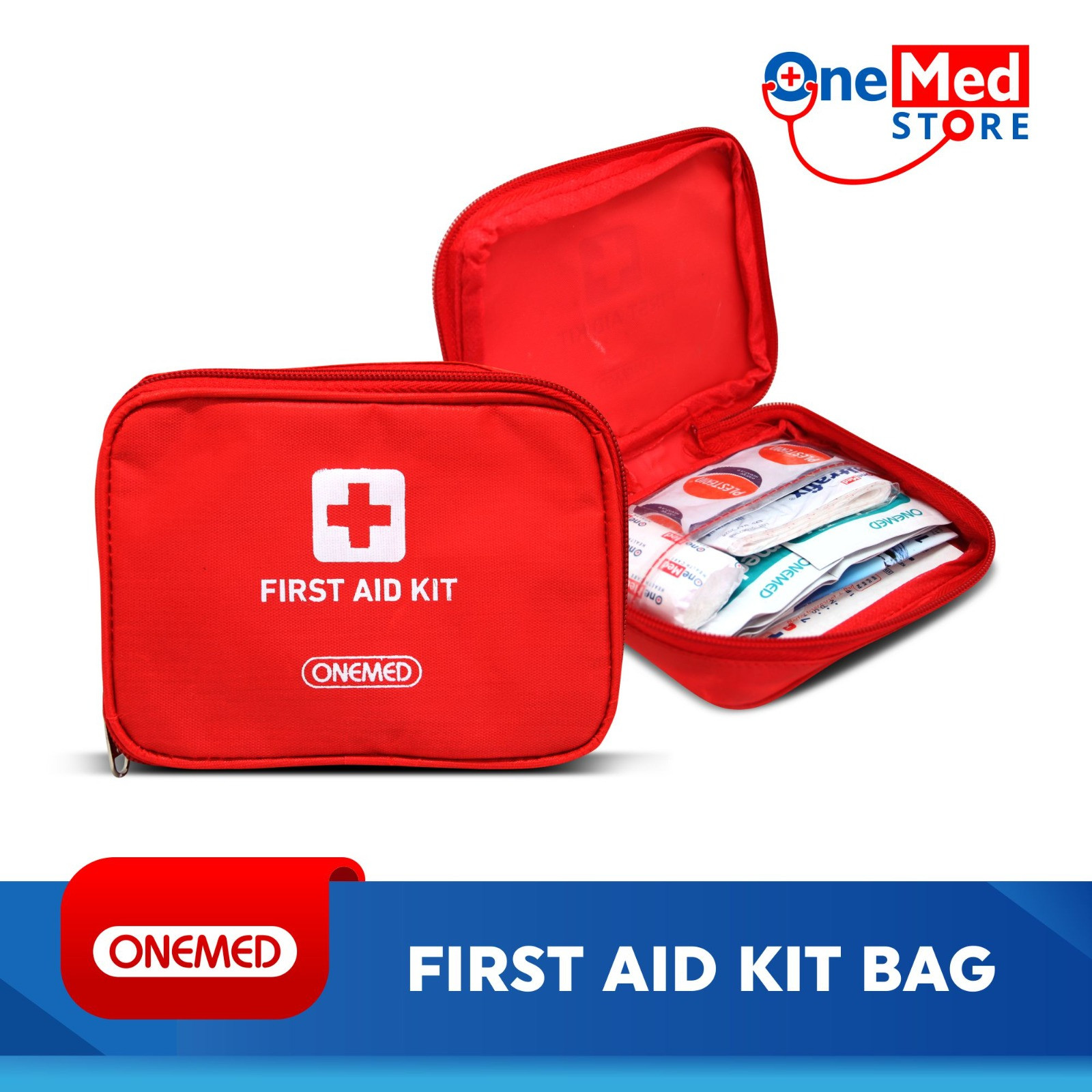
A well-stocked first aid kit is essential for handling minor injuries and illnesses. Here are some essential items to include:
Adhesive bandages (various sizes)
Conclusion
Knowing basic first aid can make a significant difference in the outcome of an emergency. By staying calm, assessing the situation, and providing appropriate care, you can help to save lives and minimize the impact of injuries and illnesses. It is always recommended to take a first aid and CPR course from a reputable organization to gain hands-on experience and confidence in your skills. Remember, your prompt and effective action can make all the difference.


