
Cholesterol: Understanding the Silent Player in Your health
Cholesterol, a waxy, fat-like substance, often gets a bad rap. While it’s true that high levels of certain types of cholesterol can increase your risk of heart disease, cholesterol itself is essential for many bodily functions. It’s a key component of cell membranes, helps produce hormones like estrogen and testosterone, and aids in the digestion of fats. Understanding the different types of cholesterol, their roles, and how to maintain healthy levels is crucial for overall well-being.
What is Cholesterol and Where Does it Come From?
Cholesterol is primarily produced by your liver. You also absorb some cholesterol from the foods you eat, particularly animal products like meat, poultry, and dairy. It travels through your bloodstream in packages called lipoproteins.

The Different Types of Cholesterol
There are two main types of cholesterol:
Low-Density Lipoprotein (LDL) Cholesterol: The “Bad” Cholesterol
LDL cholesterol is often referred to as “bad” cholesterol because it can build up in the walls of your arteries, forming plaque. This plaque buildup, known as atherosclerosis, narrows the arteries, restricting blood flow and increasing the risk of heart attack and stroke.
High-Density Lipoprotein (HDL) Cholesterol: The “Good” Cholesterol
HDL cholesterol is considered “good” cholesterol because it helps remove LDL cholesterol from your arteries. It carries LDL cholesterol back to the liver, where it’s broken down and eliminated from the body. Higher levels of HDL cholesterol are associated with a lower risk of heart disease.
Triglycerides: Another Type of Fat
Triglycerides are another type of fat found in your blood. While not cholesterol, high triglyceride levels, especially when combined with high LDL cholesterol and low HDL cholesterol, can also increase your risk of heart disease.
What Causes High Cholesterol?
Several factors can contribute to high cholesterol:
Diet: Saturated and Trans Fats
Consuming a diet high in saturated and trans fats can raise LDL cholesterol levels. Saturated fats are found primarily in red meat, poultry skin, and full-fat dairy products. Trans fats, often found in processed foods and fried foods, are particularly harmful.
Weight: Obesity and Overweight
Being overweight or obese can increase LDL cholesterol and triglyceride levels while lowering HDL cholesterol.
Physical Inactivity: Lack of Exercise
A sedentary lifestyle can contribute to high cholesterol. Regular physical activity can help lower LDL cholesterol and raise HDL cholesterol.
Age and Sex: Natural Changes
Cholesterol levels tend to rise with age. Before menopause, women typically have lower total cholesterol and LDL cholesterol levels than men. However, after menopause, women’s LDL cholesterol levels often increase.
Genetics: Familial Hypercholesterolemia
In some cases, high cholesterol is inherited. Familial hypercholesterolemia (FH) is a genetic disorder that causes the body to produce too much LDL cholesterol.
Other Medical Conditions: Diabetes, Kidney Disease, and Hypothyroidism
Certain medical conditions, such as diabetes, kidney disease, and hypothyroidism, can also affect cholesterol levels.
Medications: Some Drugs Can Affect Cholesterol
Certain medications, such as some beta-blockers, diuretics, and corticosteroids, can raise cholesterol levels.
Smoking: Negative Impact on HDL
Smoking lowers HDL cholesterol, which is a major factor in heart disease.
How is Cholesterol Measured?
A simple blood test, called a lipid panel or lipid profile, is used to measure cholesterol levels. This test typically measures:
Total Cholesterol: The Overall Measurement
Total cholesterol is the sum of your LDL cholesterol, HDL cholesterol, and 20% of your triglyceride level.
LDL Cholesterol: The “Bad” Cholesterol Measurement
Direct LDL or calculated LDL is the measurement of the LDL particles in the blood.
HDL Cholesterol: The “Good” Cholesterol Measurement
HDL cholesterol is measured directly.
Triglycerides: Measurement of Blood Fats
Triglycerides are measured directly.
What are Healthy Cholesterol Levels?
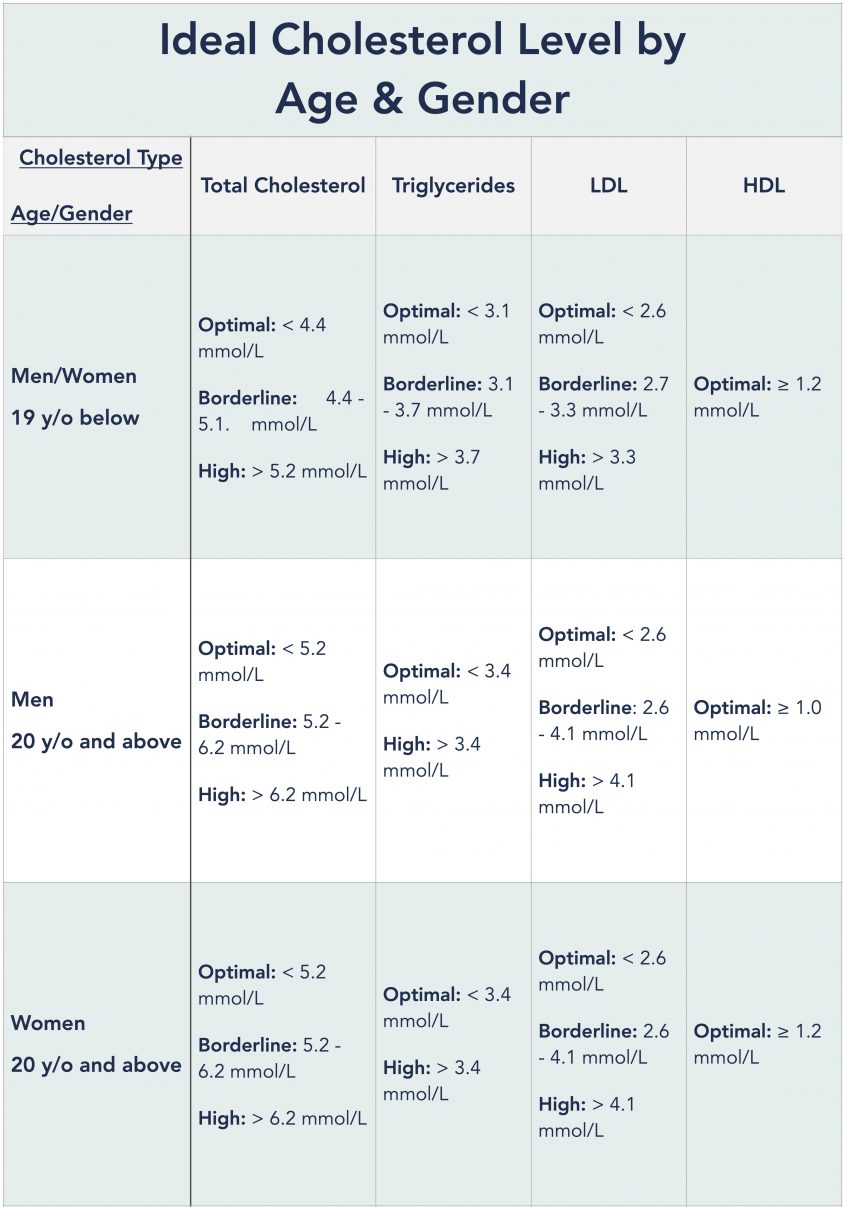
The following are general guidelines for healthy cholesterol levels:
Total Cholesterol: Desirable Less than 200 mg/dL
A total cholesterol level below 200 mg/dL is considered desirable.
LDL Cholesterol: Optimal Less than 100 mg/dL
An LDL cholesterol level below 100 mg/dL is considered optimal. For people with heart disease or risk factors, lower levels may be recommended.
HDL Cholesterol: Desirable 60 mg/dL or Higher
An HDL cholesterol level of 60 mg/dL or higher is considered protective against heart disease.
Triglycerides: Normal Less than 150 mg/dL
A triglyceride level below 150 mg/dL is considered normal.
How to Lower Cholesterol Levels
Making lifestyle changes is often the first step in lowering cholesterol levels:
Healthy Diet: Emphasis on Fruits, Vegetables, and Whole Grains
Adopting a heart-healthy diet that’s low in saturated and trans fats, cholesterol, and sodium can help lower LDL cholesterol. Focus on fruits, vegetables, whole grains, lean protein, and healthy fats.
Regular Exercise: Aim for at Least 30 Minutes Most Days
Engaging in regular physical activity can help lower LDL cholesterol and raise HDL cholesterol. Aim for at least 30 minutes of moderate-intensity exercise most days of the week.
Weight Management: Losing Even a Few Pounds Can Help
Losing even a small amount of weight can have a positive impact on cholesterol levels.
Quit Smoking: Benefits for HDL and Overall Health
Quitting smoking can raise HDL cholesterol and improve overall cardiovascular health.
Limit Alcohol Consumption: Moderation is Key
Excessive alcohol consumption can raise triglyceride levels.
Medications: When Lifestyle Changes Aren’t Enough
If lifestyle changes aren’t enough to lower cholesterol levels, your doctor may prescribe medication. Several types of cholesterol-lowering medications are available, including:
Statins: The Most Common Cholesterol-Lowering Drugs
Statins are the most commonly prescribed cholesterol-lowering medications. They work by blocking the production of cholesterol in the liver.
Bile Acid Sequestrants: Binding to Bile Acids
Bile acid sequestrants bind to bile acids in the intestine, preventing them from being reabsorbed. This forces the liver to use more cholesterol to make bile acids, lowering LDL cholesterol.
Cholesterol Absorption Inhibitors: Reducing Cholesterol Absorption
Cholesterol absorption inhibitors, such as ezetimibe, work by reducing the absorption of cholesterol in the small intestine.
PCSK9 Inhibitors: Powerful LDL Reducers
PCSK9 inhibitors are a newer class of medications that can significantly lower LDL cholesterol levels. They work by blocking a protein that interferes with the liver’s ability to remove LDL cholesterol from the blood.
Fibrates: Primarily Lowering Triglycerides
Fibrates primarily lower triglyceride levels and can also raise HDL cholesterol.
Niacin: Affecting Multiple Lipid Levels
Niacin can lower LDL cholesterol and triglycerides and raise HDL cholesterol. However, it can cause side effects, such as flushing.
Monitoring Cholesterol Levels
Regular cholesterol checks are essential for monitoring your progress and making adjustments to your treatment plan as needed. How often you should have your cholesterol checked depends on your age, risk factors, and current cholesterol levels.
The Importance of Early Detection and Prevention
High cholesterol often has no symptoms, so early detection and prevention are crucial. By understanding the different types of cholesterol, their roles, and how to maintain healthy levels, you can take control of your cardiovascular health and reduce your risk of heart disease.
Cholesterol and Heart Disease Risk Factors
Several factors can increase your risk of heart disease, including:
Family History: Genetic Predisposition
A family history of heart disease can increase your risk.
High Blood Pressure: Strain on Arteries
High blood pressure can damage your arteries and increase your risk of heart disease.
Diabetes: Impact on Blood Vessels
Diabetes can damage blood vessels and increase your risk of heart disease.
Smoking: Damage to Arteries and Blood Clots
Smoking damages arteries and increases the risk of blood clots.
Age: Increased Risk with Time
The risk of heart disease increases with age.
Sex: Men at Higher Risk Earlier
Men are generally at higher risk of heart disease at an earlier age than women. However, after menopause, women’s risk increases.
Conclusion: Taking Charge of Your Cholesterol
Maintaining healthy cholesterol levels is an essential part of a heart-healthy lifestyle. By making informed choices about your diet, exercise, and lifestyle, and by working closely with your healthcare provider, you can take control of your cholesterol and reduce your risk of heart disease. Remember that small changes can make a big difference in your long-term health.


