
The Power of the Pause: Unveiling the Multifaceted Benefits of Intermittent Fasting
Intermittent fasting (IF) has surged in popularity, moving beyond a mere diet fad to become a widely recognized lifestyle approach. Its appeal lies in its simplicity – focusing on when you eat rather than what you eat. This temporal restriction triggers a cascade of physiological changes, offering a spectrum of potential health benefits. Let’s delve into the science and explore the diverse advantages of incorporating intermittent fasting into your routine.
At its core, IF involves cycling between periods of eating and voluntary fasting on a regular schedule. This isn’t starvation; it’s a controlled and strategic approach to managing your food intake. Several popular IF methods exist, each with its own rhythm:
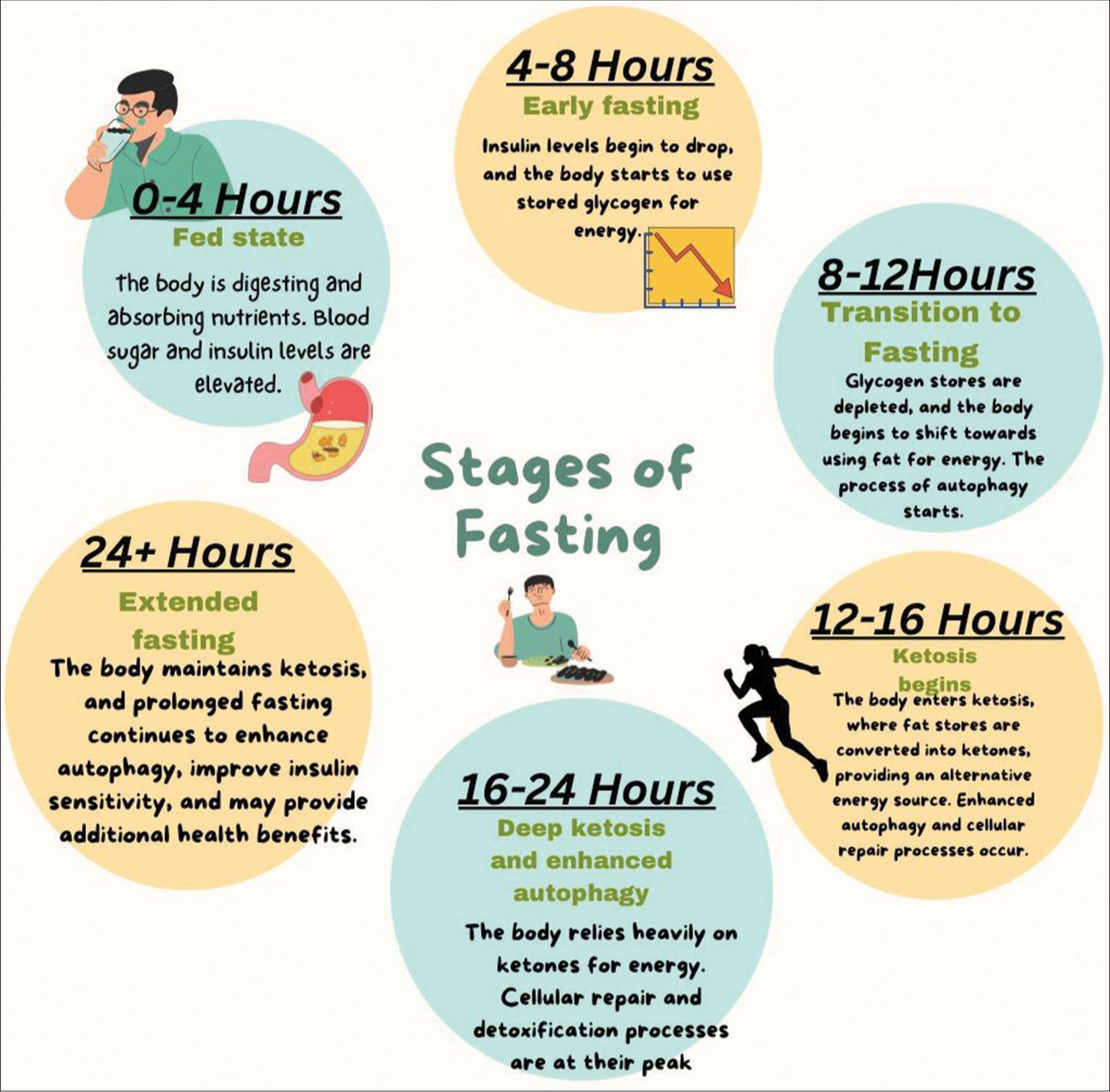
16/8 Method: This involves fasting for 16 hours each day and restricting your eating window to 8 hours. For example, you might eat between noon and 8 pm and fast for the remaining 16 hours.
The key to all these methods is extending the period when your body isn’t constantly processing food. This allows it to shift its focus towards repair and rejuvenation.
One of the most prominent benefits of IF is its impact on metabolism.
1. Insulin Sensitivity and Blood Sugar Regulation
During fasting, insulin levels drop significantly. This allows cells to become more sensitive to insulin, improving glucose uptake and reducing the risk of insulin resistance, a precursor to type 2 diabetes.
2. Weight Loss and Body Composition
By creating a calorie deficit, IF can promote weight loss. However, it’s not just about losing weight; it’s also about improving body composition.
3. Cellular Repair and Autophagy
Fasting triggers autophagy, a cellular cleaning process where damaged cells are broken down and recycled.
IF’s benefits extend to cardiovascular health, offering a range of protective effects.
4. Lowering Blood Pressure and Cholesterol
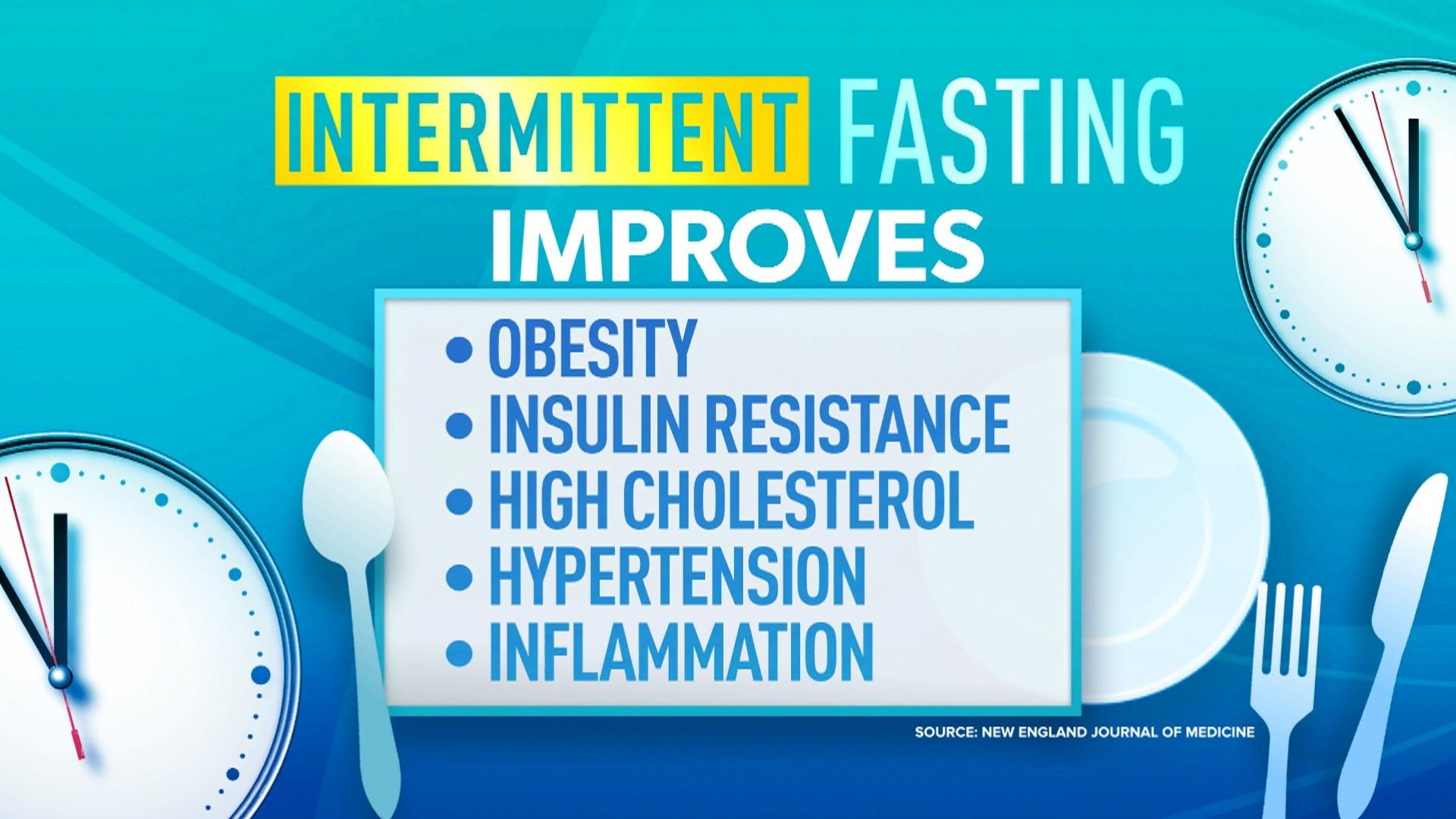
Studies have indicated that IF can contribute to a reduction in blood pressure, a key risk factor for heart disease.
5. Reducing Inflammation
Chronic inflammation is a major contributor to cardiovascular disease.
Emerging research suggests that IF can also have profound effects on brain health.
6. Enhancing Cognitive Function and Memory
Fasting can stimulate the production of brain-derived neurotrophic factor (BDNF), a protein that promotes the growth and survival of neurons.
7. Protecting Against Neurodegenerative Diseases
IF may offer protection against neurodegenerative diseases like Alzheimer’s and Parkinson’s by promoting cellular repair and reducing oxidative stress.
8. Mood Regulation and Mental Clarity
Many individuals report improved mental clarity and focus during fasting periods.
Beyond the core areas of metabolic, cardiovascular, and brain health, IF offers a range of other potential benefits.
9. Reducing Oxidative Stress
Fasting can reduce oxidative stress, a process that damages cells and contributes to aging and disease.
10. Potential Longevity Benefits
Studies in animals have shown that calorie restriction and IF can extend lifespan.
11. Improved Gut Health
Fasting can allow the gut to rest and repair, potentially improving gut microbiome diversity and function.
12. Reduced Inflammation Systemically.
While IF offers numerous potential benefits, it’s essential to approach it with caution and awareness.
13. Choosing the Right Method
The best IF method depends on individual preferences and lifestyles.
14. Staying Hydrated
15. Listening to Your Body
Pay attention to your body’s signals and adjust your fasting schedule as needed.
16. Gradual Implementation
17. Potential Side Effects
Some people may experience temporary side effects like headaches, fatigue, or irritability, especially during the initial stages.
18. Consulting a Healthcare Professional
Research on intermittent fasting is ongoing, and scientists are continually uncovering new insights into its mechanisms and benefits. Future studies will likely focus on:
19. Long-Term Effects
20. Personalized Approaches
21. Therapeutic Applications
Intermittent fasting offers a compelling approach to improving overall health and well-being. By strategically managing your eating patterns, you can unlock a range of metabolic, cardiovascular, and cognitive benefits. While it’s not a magic bullet, IF can be a powerful tool for those seeking to optimize their health and longevity. As with any lifestyle change, it’s essential to approach IF with awareness, patience, and a focus on long-term sustainability. By embracing the power of the pause, you can pave the way for a healthier and more vibrant life.


