The Persistent Plague: Understanding and Managing a Dry Cough
A dry cough, that relentless, tickling sensation in your throat that produces no mucus, can be a frustrating and debilitating experience. Unlike a productive cough, which helps clear airways of phlegm, a dry cough serves no apparent purpose and can linger for weeks, disrupting sleep, work, and daily life. This comprehensive guide delves into the various causes, symptoms, and management strategies for a dry cough, providing you with the knowledge to navigate this common ailment.
Understanding the Nature of a Dry Cough
A dry cough is characterized by its lack of mucus or phlegm production. It’s often described as a hacking, irritating sensation that can be triggered by various factors, from environmental irritants to underlying medical conditions. Unlike a wet cough, which is often a sign of an infection like bronchitis or pneumonia, a dry cough is typically associated with irritation or inflammation of the respiratory tract.
Dry Cough: Chest Pain, Causes & Treatments
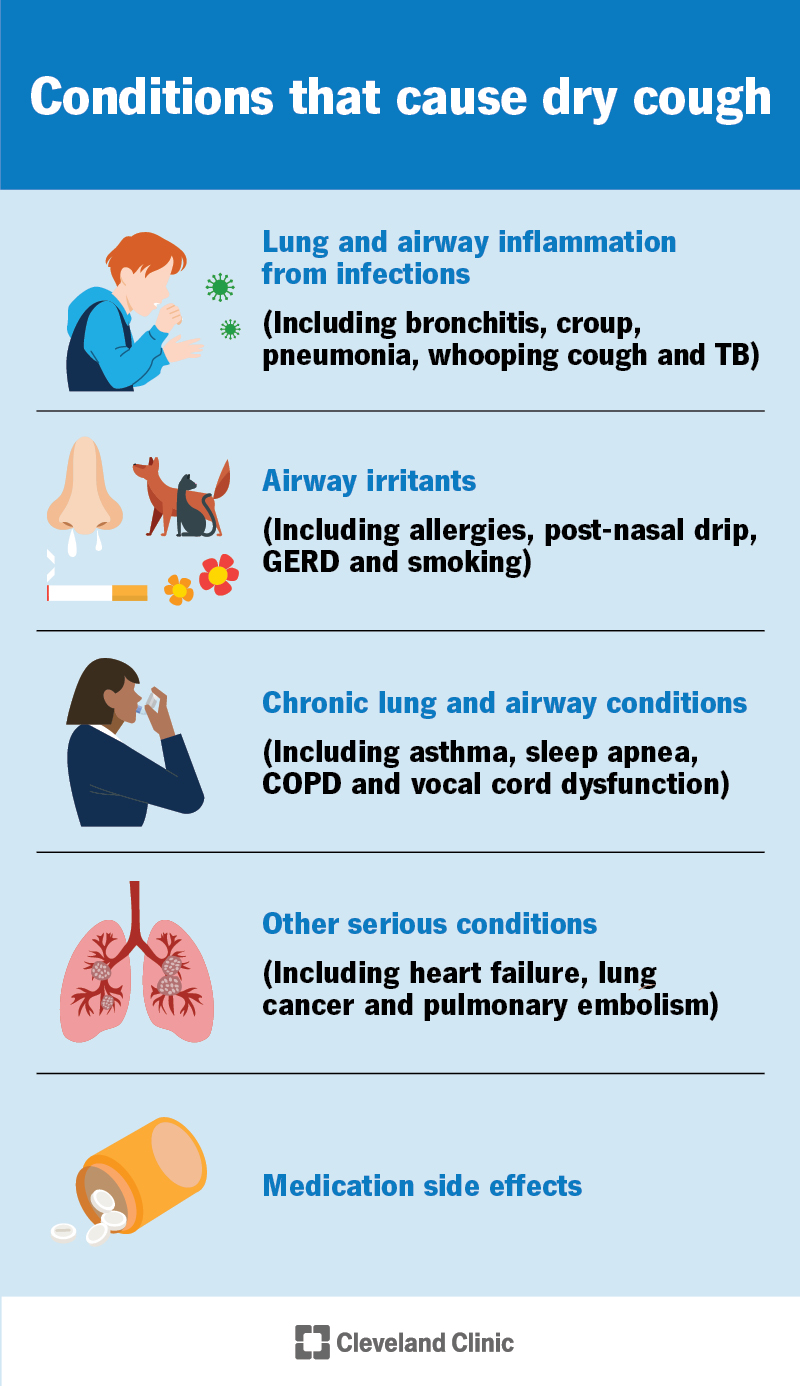
Common Culprits: Causes of a Dry Cough
Pinpointing the exact cause of a dry cough can be challenging, as numerous factors can contribute to its development. Here are some of the most common culprits:
1. Environmental Irritants
Dry Air: In dry climates or during winter months when indoor heating is prevalent, the air’s lack of moisture can irritate the delicate tissues of the throat and airways, leading to a dry cough.
Irritants and Allergens: Exposure to dust, pollen, pet dander, mold, smoke (including cigarette smoke), and chemical fumes can trigger an inflammatory response in the respiratory tract, resulting in a dry cough.
Postnasal Drip: While often associated with a wet cough, postnasal drip can also cause a dry cough. When excess mucus drips down the back of the throat, it can irritate the sensitive tissues, leading to a persistent cough.
2. Respiratory Infections
Upper Respiratory Infections (URIs): Common colds and flu viruses can initially present with a dry cough, which may persist even after other symptoms subside.
COVID-19: A dry cough is a hallmark symptom of COVID-19.
Whooping Cough (Pertussis): This highly contagious bacterial infection is characterized by severe coughing fits followed by a “whooping” sound during inhalation. The initial phase may present as a dry cough.
Laryngitis: Inflammation of the larynx (voice box) can cause a dry, hoarse cough.
3. Medical Conditions
Non-productive Cough: What Is It, Causes, Diagnosis, and More
Asthma: While asthma is often associated with wheezing and shortness of breath, a dry cough can be the sole or predominant symptom in some individuals, particularly in cough-variant asthma.
Gastroesophageal Reflux Disease (GERD): Stomach acid refluxing into the esophagus can irritate the throat and trigger a chronic dry cough.
Chronic Obstructive Pulmonary Disease (COPD): While COPD typically involves a productive cough, some individuals, especially in the early stages, may experience a dry cough.
Interstitial Lung Disease (ILD): These conditions, which involve inflammation and scarring of the lung tissue, can cause a persistent dry cough.
Heart Failure: In some cases, a dry cough can be a symptom of heart failure, particularly when accompanied by shortness of breath and swelling in the legs and ankles.
Sarcoidosis: This inflammatory disease can affect various organs, including the lungs, and cause a dry cough.
Lung Cancer: While less common, a persistent dry cough can be a sign of lung cancer, especially when accompanied by other symptoms like weight loss and chest pain.
4. Medications
ACE Inhibitors: These medications, commonly prescribed for high blood pressure and heart failure, can cause a dry cough as a side effect.
Other Medications: Some other medications can also cause dry coughs, always check the medication insert.
5. Psychogenic Cough
Habit Cough: In some cases, a dry cough can become a habit, persisting even after the initial trigger has resolved.
Psychological Factors: Stress, anxiety, and other psychological factors can contribute to a dry cough.
Recognizing the Symptoms
Productive Cough Causes and Treatments
The primary symptom of a dry cough is a persistent, hacking cough that produces no mucus or phlegm. Other accompanying symptoms may include:
A tickling or irritating sensation in the throat
Hoarseness or a scratchy voice
Shortness of breath
Chest tightness
Wheezing
Fatigue
Runny nose or congestion
Sore throat
When to Seek Medical Attention
While a dry cough often resolves on its own, it’s essential to seek medical attention if you experience any of the following:
A cough that lasts for more than three weeks
Difficulty breathing or shortness of breath
Chest pain
Coughing up blood
High fever
Unexplained weight loss
Wheezing
Changes in your voice.
Severe fatigue.
Managing a Dry Cough: Home Remedies and Medical Treatments
The approach to managing a dry cough depends on the underlying cause. Here are some general strategies:
1. Home Remedies
Hydration: Drinking plenty of fluids, such as water, herbal tea, and broth, can help soothe a dry throat and thin mucus.
Humidification: Using a humidifier or taking a hot shower can add moisture to the air and alleviate a dry cough.
Honey: Honey has natural cough-suppressant properties and can be added to warm tea or taken directly.
Gargling with Salt Water: Gargling with warm salt water can help soothe a sore throat and reduce irritation.
Over-the-Counter Cough Suppressants: Cough drops and lozenges can provide temporary relief from a dry cough.
Avoiding Irritants: Identifying and avoiding triggers like smoke, dust, and pollen can help prevent a dry cough.
2. Medical Treatments
Treating Underlying Conditions: If a medical condition like asthma, GERD, or postnasal drip is contributing to the dry cough, treating the underlying condition is essential.
Prescription Medications: In some cases, doctors may prescribe medications like cough suppressants, antihistamines, or corticosteroids to alleviate a dry cough.
Inhalers: For cough-variant asthma, inhaled corticosteroids or bronchodilators may be prescribed.
Antibiotics: If the cough is caused by a bacterial infection, antibiotics may be necessary.
GERD medication: If GERD is the cause, medication to reduce acid production may be prescribed.
Prevention Strategies
While not all dry coughs can be prevented, these strategies can help reduce your risk:
Avoid exposure to irritants and allergens.
Practice good hygiene, including frequent handwashing, to prevent respiratory infections.
Stay hydrated, especially in dry climates.
Manage underlying medical conditions effectively.
Quit smoking.
Get vaccinated against influenza and other respiratory infections.
The Importance of a Thorough Evaluation
A persistent dry cough can significantly impact your quality of life. If you’re experiencing a dry cough that doesn’t improve with home remedies or is accompanied by other concerning symptoms, it’s crucial to consult a healthcare professional for a thorough evaluation. They can help identify the underlying cause and recommend the most appropriate treatment plan.
By understanding the various causes, symptoms, and management strategies for a dry cough, you can take proactive steps to alleviate discomfort and improve your overall well-being.


:max_bytes(150000):strip_icc()/productive-cough-770574_final-3a76595e54a04f10a0f71c17bc525d30.jpg "image.title")


