
Gallstones: A Comprehensive Guide
Gallstones, those small, pebble-like deposits that form in the gallbladder, are a common and often painful condition. While many people harbor gallstones without experiencing any symptoms, others suffer from debilitating episodes of biliary colic and potential complications. This comprehensive guide aims to shed light on the formation, symptoms, diagnosis, and treatment of gallstones.
The gallbladder, a small, pear-shaped organ located beneath the liver, plays a crucial role in digestion. Its primary function is to store and concentrate bile, a digestive fluid produced by the liver. Bile consists of water, cholesterol, bile salts, bilirubin, and other substances. When you eat, especially fatty foods, the gallbladder contracts and releases bile into the small intestine, where it helps emulsify fats, facilitating their digestion and absorption.
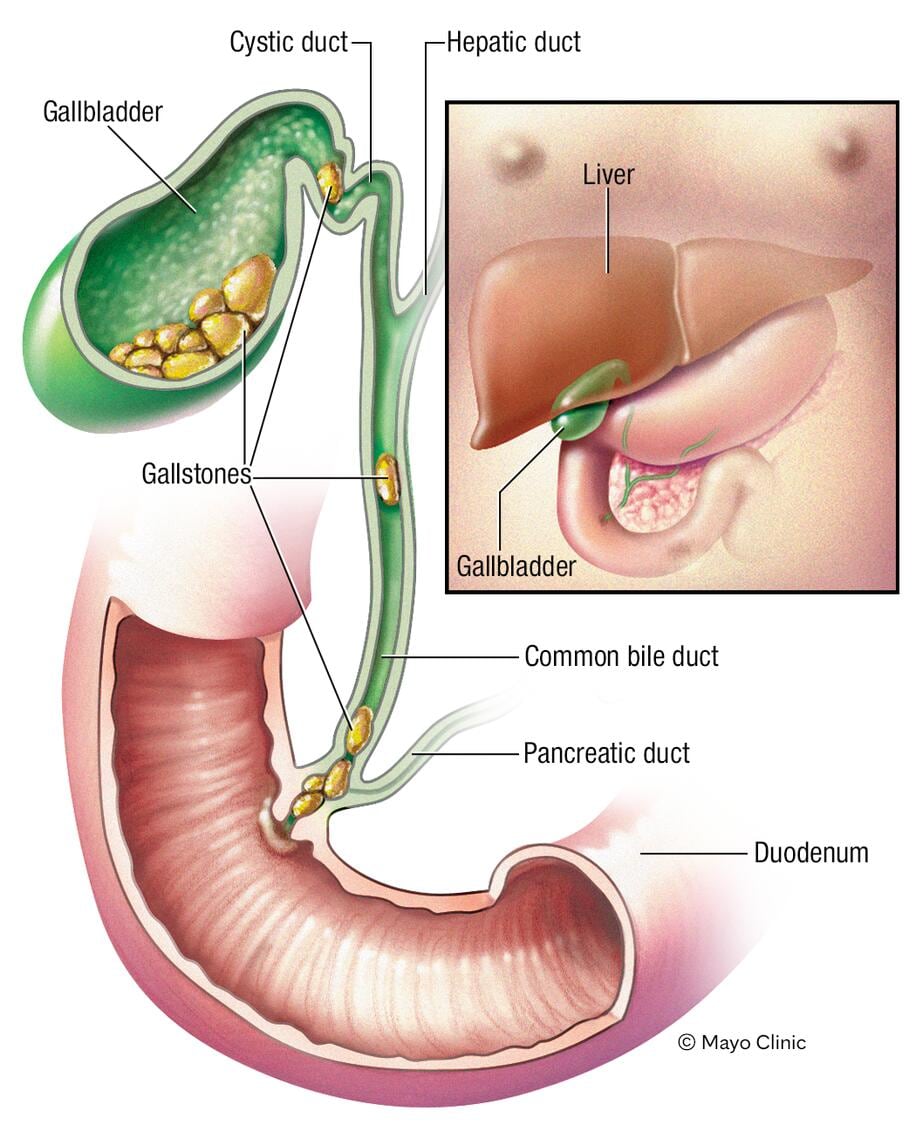
Gallstones form when substances in bile crystallize and harden. Several factors contribute to this process:
Cholesterol Gallstones
These are the most common type of gallstones, accounting for approximately 80% of cases. They form when bile contains too much cholesterol, which can crystallize and form stones. This can happen due to:
:max_bytes(150000):strip_icc()/what-are-gallstones-1742784_final-1d48008cf7b74dcc88789e38623b1883.png "image.title")
Excess cholesterol production: The liver may produce more cholesterol than the bile can dissolve.
Pigment Gallstones
These stones are less common and are composed of bilirubin, a waste product of red blood cell breakdown. They are more likely to occur in individuals with:
Liver cirrhosis: Impaired liver function can lead to increased bilirubin production.
Mixed Gallstones
These stones contain both cholesterol and bilirubin, along with other substances like calcium salts.
Several factors increase the risk of developing gallstones:
Gender
Women are more likely to develop gallstones than men, particularly during their childbearing years. Estrogen is thought to play a role by increasing cholesterol secretion into bile.
Age
The risk of gallstones increases with age.
Obesity
Excess weight, particularly abdominal obesity, is associated with increased cholesterol levels in bile.
Rapid Weight Loss
Losing weight quickly can increase the risk of gallstones, as it can cause the liver to release more cholesterol into bile.
Diet
A diet high in fat and cholesterol and low in fiber can contribute to gallstone formation.
Genetics
A family history of gallstones increases the risk.
Certain Medical Conditions
Conditions like diabetes, Crohn’s disease, and sickle cell anemia are associated with an increased risk of gallstones.
Medications
Certain medications, such as cholesterol-lowering drugs and hormone replacement therapy, can increase the risk.
Many people with gallstones remain asymptomatic. However, when symptoms do occur, they typically include:
Biliary Colic
This is the most common symptom, characterized by a sudden, intense pain in the upper right abdomen. The pain may radiate to the back or right shoulder. It usually lasts from a few minutes to several hours and may be accompanied by nausea and vomiting.
Other Symptoms
Indigestion
If left untreated, gallstones can lead to several complications:
Cholecystitis
This is inflammation of the gallbladder, often caused by a gallstone obstructing the cystic duct. It can lead to severe pain, fever, and infection.
Cholangitis
This is an infection of the bile ducts, which can occur if a gallstone blocks the common bile duct. It can be a life-threatening condition.
Pancreatitis
A gallstone can block the pancreatic duct, leading to inflammation of the pancreas (pancreatitis).
Gallstone Ileus
In rare cases, a large gallstone can pass into the small intestine and cause a blockage.
Several tests are used to diagnose gallstones:
Abdominal Ultrasound
This is the most common imaging test used to visualize gallstones. It is non-invasive and highly accurate.
Endoscopic Ultrasound (EUS)
This procedure involves inserting an endoscope with an ultrasound probe into the digestive tract to visualize the gallbladder and bile ducts.
Magnetic Resonance Cholangiopancreatography (MRCP)
This imaging technique uses magnetic resonance imaging (MRI) to produce detailed images of the bile ducts and pancreatic duct.
HIDA Scan (Hepatobiliary Iminodiacetic Acid Scan)
This nuclear medicine test uses a radioactive tracer to assess gallbladder function and identify blockages.
Blood Tests
Blood tests may be performed to check liver function and identify signs of infection.
Treatment depends on the severity of symptoms and the presence of complications.
Asymptomatic Gallstones
If you have gallstones but no symptoms, treatment may not be necessary. Your doctor may recommend a wait-and-see approach.
Symptomatic Gallstones
Treatment options for symptomatic gallstones include:
Cholecystectomy
This is the surgical removal of the gallbladder, and it is the most common treatment for symptomatic gallstones. It can be performed laparoscopically (minimally invasive) or through an open incision.
Medications
Oral dissolution therapy with ursodeoxycholic acid (UDCA) may be used to dissolve cholesterol gallstones. However, this treatment can take months or years and is not suitable for all types of gallstones.
Endoscopic Retrograde Cholangiopancreatography (ERCP)
This procedure is used to remove gallstones from the bile ducts, particularly if they are causing a blockage.
Lifestyle Changes
Maintaining a healthy lifestyle can help reduce the risk of gallstones and manage symptoms. This includes:
Eating a balanced diet low in fat and high in fiber.
While not all gallstones can be prevented, you can reduce your risk by:
Maintaining a healthy weight.
Gallstones are a common condition that can cause significant discomfort and complications. Understanding the risk factors, symptoms, and treatment options is essential for effective management. If you experience any symptoms of gallstones, consult your doctor for proper diagnosis and treatment.


