:max_bytes(150000):strip_icc()/what-is-sleep-hygiene-5085887-FINAL-831b8421e75249f0952fbf4efb0adda7.png?ssl=1 "Optimizing Your Sleep: A Guide To Sleep Hygiene")
The Art of Rest: Mastering Sleep Hygiene for a healthier You
In our fast-paced, perpetually connected world, sleep often takes a backseat. We prioritize work, social engagements, and entertainment, neglecting the fundamental need for restorative rest. Yet, sleep is not a luxury; it’s a biological imperative, a cornerstone of physical and mental well-being. Poor sleep hygiene can lead to a cascade of health issues, from diminished cognitive function and weakened immunity to increased risk of chronic diseases. This comprehensive guide delves into the science of sleep hygiene, providing actionable strategies to optimize your sleep and reclaim your vitality.
Understanding the Importance of Sleep
Sleep is a complex process involving multiple stages, each playing a crucial role in physical and mental restoration. During sleep, our bodies repair tissues, consolidate memories, and regulate hormones. Sufficient and quality sleep is essential for:
:max_bytes(150000):strip_icc()/what-is-sleep-hygiene-5085887-FINAL-831b8421e75249f0952fbf4efb0adda7.png "image.title")
Cognitive Function: Sleep deprivation impairs attention, concentration, memory, and decision-making.
Establishing a Consistent Sleep Schedule
The cornerstone of good sleep hygiene is a regular sleep-wake cycle. Our bodies have an internal clock, the circadian rhythm, which regulates sleep and wakefulness. Maintaining a consistent sleep schedule helps synchronize this internal clock, promoting better sleep quality.
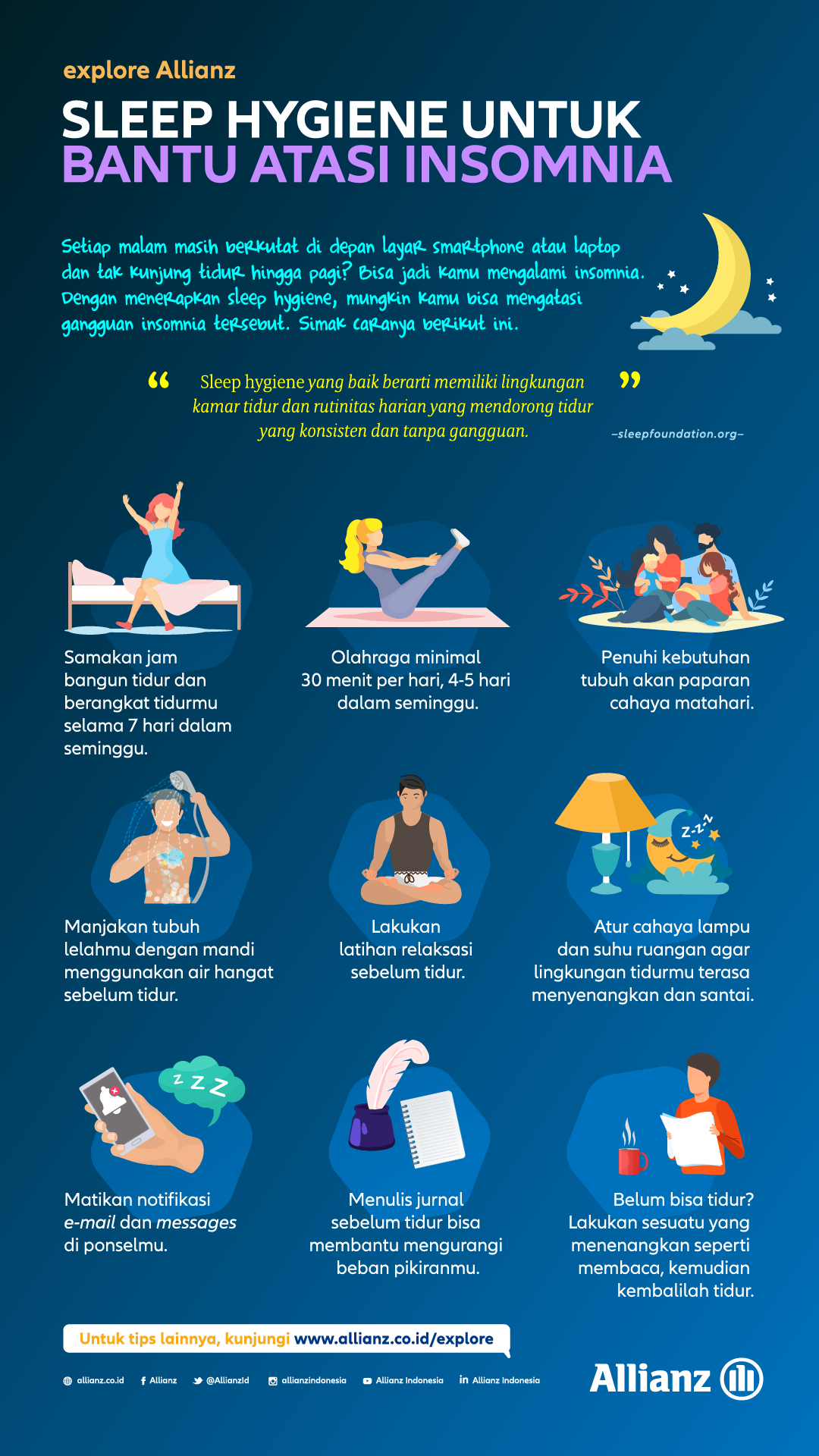
Go to Bed and Wake Up at the Same Time Every Day: Even on weekends, stick to your established sleep schedule. This consistency reinforces your circadian rhythm.
Creating a Sleep-Conducive Environment
Your bedroom should be a sanctuary for sleep. Creating a dark, quiet, and cool environment can significantly improve sleep quality.
Darkness: Darkness triggers the release of melatonin, a hormone that promotes sleep. Use blackout curtains or an eye mask to block out light.
Optimizing Your Pre-Sleep Routine
Your pre-sleep routine should be a relaxing ritual that signals to your body that it’s time to wind down.
Establish a Relaxing Bedtime Routine: Engage in calming activities such as reading, taking a warm bath, or listening to soothing music.
Managing Stress and Anxiety
Stress and anxiety are common culprits of sleep disturbances. Addressing these issues is crucial for improving sleep quality.
Identify and Manage Stressors: Identify the sources of stress in your life and develop strategies to manage them.
The Role of Diet and Nutrition
Diet plays a significant role in sleep quality. Certain foods and nutrients can promote sleep, while others can disrupt it.
Consume Tryptophan-Rich Foods: Tryptophan is an amino acid that converts to serotonin and melatonin. Foods rich in tryptophan include turkey, chicken, milk, and nuts.
Addressing Sleep Disorders
If you’re consistently struggling with sleep, you may have a sleep disorder. Common sleep disorders include:
Insomnia: Difficulty falling asleep or staying asleep.
If you suspect you have a sleep disorder, consult with a healthcare professional. They can diagnose the condition and recommend appropriate treatment options.
The Importance of Consistency and Patience
Improving sleep hygiene is a gradual process that requires consistency and patience. Don’t expect to see immediate results. Stick to your new sleep habits, and over time, you’ll experience significant improvements in your sleep quality and overall well-being.
Specific Strategies for Different Age Groups
Sleep needs and patterns vary across different age groups.
Infants and Toddlers: Establish a consistent bedtime routine, create a safe and comfortable sleep environment, and follow age-appropriate sleep schedules.
Technology and Sleep
While technology can disrupt sleep, it can also be used to improve it.
Sleep Tracking Apps: Sleep tracking apps can help you monitor your sleep patterns and identify areas for improvement.
Conclusion
Sleep is an essential pillar of health and well-being. By prioritizing sleep hygiene and adopting healthy sleep habits, you can improve your sleep quality, enhance your cognitive function, boost your immune system, and elevate your overall quality of life. Remember that consistency, patience, and a holistic approach are key to mastering the art of rest. Make sleep a priority, and reap the rewards of a well-rested and revitalized you.


:max_bytes(150000):strip_icc()/what-is-sleep-hygiene-5085887-FINAL-831b8421e75249f0952fbf4efb0adda7.png?ssl=1&description=Optimizing%20Your%20Sleep%3A%20A%20Guide%20To%20Sleep%20Hygiene)